Blog Factors that put you at risk of developing DVT(deep venous thrombosis ) and how to prevent it
Last updated: January 13, 2026
Factors That Increase Your Risk of DVT (Deep Vein Thrombosis) and How to Prevent It
Deep vein thrombosis (DVT) is a serious medical condition that occurs when a blood clot forms in a deep vein, most often in the legs. These clots can interfere with normal blood flow and may lead to life-threatening complications if part of the clot breaks off and travels to the lungs. When this happens, it is called a pulmonary embolism (PE).
Not everyone has the same risk of developing DVT. Some people are more vulnerable because of age, health conditions, lifestyle, or certain life events such as surgery or pregnancy. Understanding these risks—and knowing how to reduce them—can greatly improve your chances of staying healthy.
What increases the risk of DVT?
DVT can develop when blood flow slows down, the blood becomes more likely to clot, or the lining of a blood vessel becomes damaged. Many common situations and conditions contribute to this risk.
People who are more likely to develop DVT include:
- Adults over the age of 50
- People who are overweight or obese
- Those who smoke
- Individuals with a family history of blood clots
- People who have had a recent injury to a deep vein
- Anyone who has recently had surgery, especially hip, knee, or abdominal surgery
- People who are confined to bed or have limited mobility for long periods
- Individuals who have a catheter placed in a large vein
- Women who are pregnant or in the weeks following childbirth
- People taking estrogen-based birth control or hormone replacement therapy
- Those who sit for long periods during long flights, car rides, or desk work
These factors don’t guarantee that someone will get DVT, but the more risk factors a person has, the higher the likelihood becomes.
General tips for preventing DVT
The good news is that many cases of DVT can be prevented. Small lifestyle changes and awareness of your risk can make a big difference.
To reduce your risk:
- Stay physically active and avoid sitting still for long periods
- Maintain a healthy weight
- Stop smoking
- Keep blood pressure under control
- Drink plenty of fluids to avoid dehydration
- Follow up with your doctor if you have risk factors for blood clots
Regular movement helps blood circulate through the legs, preventing it from pooling in the veins, which is one of the main causes of clot formation.
Preventing DVT while traveling
Long trips—whether by car, plane, train, or bus—can increase your risk of DVT because sitting for extended periods slows blood flow in the legs.
If you are traveling:
- Stand up and walk whenever possible
- Flex your ankles and stretch your legs while seated
- Avoid crossing your legs
- Wear loose, comfortable clothing
- Drink water and avoid excessive alcohol
- Consider wearing compression stockings if you are at higher risk
These steps help keep blood moving and reduce pressure in the leg veins.
Preventing DVT during hospitalization or after surgery
People who are hospitalized or recovering from surgery have a much higher risk of developing DVT, especially if they are not able to move much.
To reduce the risk:
- Begin walking or moving as soon as your doctor says it is safe
- Stay well hydrated
- Use compression stockings or pneumatic compression devices if prescribed
- Take blood-thinning medication if recommended
- Elevate your legs when resting to improve blood flow
Raising your legs allows gravity to help blood return to the heart and prevents it from pooling in the lower legs.
DVT risk during pregnancy and after childbirth
Pregnancy increases the risk of DVT because hormonal changes make the blood more likely to clot, and the growing uterus places pressure on veins in the pelvis and legs. The risk is highest during pregnancy and in the first six weeks after delivery.
To lower your risk:
- Stay as physically active as possible
- Avoid sitting for long periods
- Drink plenty of fluids
- Maintain a healthy weight
- Wear compression stockings if advised by your doctor
- Do low-impact exercises such as walking, swimming, or prenatal yoga
Always talk to your healthcare provider before starting or changing any exercise routine during pregnancy.
How compression stockings help
Compression stockings are specially designed to apply gentle pressure to the legs. They are tighter around the ankles and gradually loosen higher up the leg. This design helps push blood upward toward the heart, preventing blood from pooling in the veins.
These stockings can:
- Improve circulation
- Reduce swelling
- Decrease leg pain and heaviness
- Lower the risk of blood clots
They are especially helpful for people who sit or stand for long periods, travelers, pregnant women, and those recovering from surgery.
Symptoms of pulmonary embolism (PE)
A pulmonary embolism occurs when a blood clot travels to the lungs and blocks blood flow. It is a medical emergency. Some people have no symptoms, but others may experience: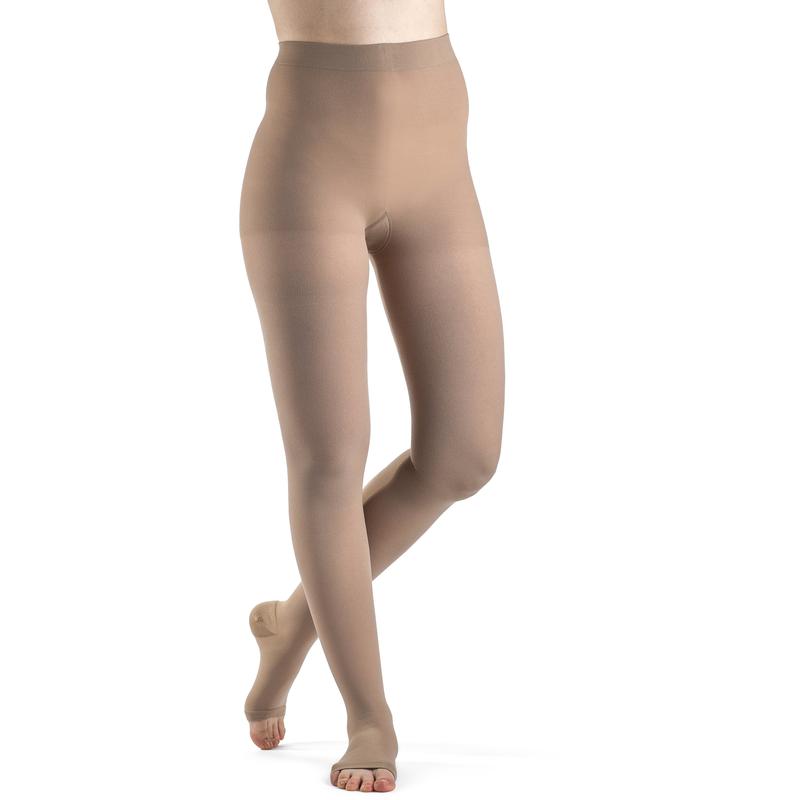
- Sudden shortness of breath
- Chest pain that worsens when breathing deeply or coughing
- A fast or irregular heartbeat
- Coughing up blood
- Lightheadedness or fainting
- Excessive sweating
If any of these symptoms occur, immediate medical attention is needed.
When should you seek medical help?
You should contact a doctor right away if you have symptoms of DVT, such as:
- Swelling in one leg
- Pain or tenderness in the calf or thigh
- Warmth or redness of the skin
Doctors may use ultrasound, blood tests (such as a D-dimer), or imaging tests to confirm the diagnosis.
How DVT is treated
Treatment focuses on preventing the clot from growing, stopping it from traveling to the lungs, and reducing the risk of future clots.
Common treatments include:
- Blood-thinning medications such as heparin or warfarin
- Compression stockings
- Staying active
- Lifestyle changes like quitting smoking and maintaining a healthy weight
In some cases, a filter may be placed in the large vein (vena cava) to catch clots before they reach the lungs if blood thinners cannot be used.
Final thoughts
Deep vein thrombosis is serious, but it is often preventable. By staying active, understanding your risk factors, and following medical advice, you can greatly reduce your chances of developing dangerous blood clots. Early awareness and proper care make all the difference.
Related Posts
Get weekly articles in your inbox on the latest medical supply news, exclusive deals, and helpful health tips.