Blog Discover the Best Patient Lift Slings for Sale: Comfort and Safety Combined
Last updated: February 19, 2026
Patient lift slings play a vital role in safe patient transfers. Whether you're caring for an aging parent, someone recovering from surgery, or a person with limited mobility, the right sling makes every lift smoother and safer. It protects the patient from injury and reduces strain on the caregiver.
But not all slings are the same. Choosing the wrong size or type can lead to discomfort, skin irritation, or even dangerous slips. Choosing the right one improves comfort, promotes dignity, and supports safer daily care.
Let’s break down what you need to know before buying a patient lift sling.
Understanding the Main Types of Patient Lift Slings
There are three common types of slings used with manual or electric patient lifts, including Hoyer-style lifts.
Full-Body Slings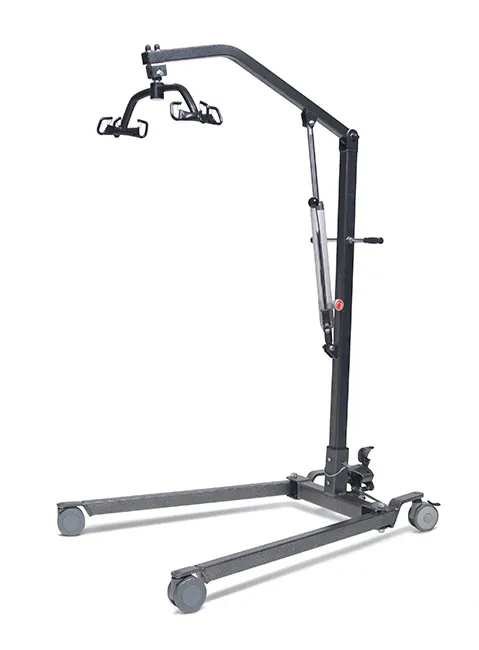
Full-body slings support the entire body, including the head and neck if needed. They are ideal for patients with little to no upper body control. These slings are often used for bed-to-wheelchair transfers or repositioning in bed.
They come in mesh, padded, or solid fabric. Mesh slings are popular for bathing because they dry quickly. Padded options provide extra comfort for longer transfers.
Stand-Assist Slings
Stand-assist slings are designed for patients who have some weight-bearing ability. They support the torso while allowing the patient to participate in the transfer.
These are commonly used with sit-to-stand lifts. They encourage independence and help maintain muscle strength when possible.
Transfer Slings
Transfer slings support the lower back and thighs and are typically used for shorter moves, such as from bed to chair. They are best suited for patients with moderate upper body strength.
Each type serves a different need. The patient’s mobility level should always guide your choice.
Key Factors to Consider Before Buying
Choosing a patient lift sling is not just about price. It’s about safety, fit, and daily usability.
Size and Weight Capacity
Always check the weight rating. Slings are available in standard, bariatric, and pediatric sizes. A sling that is too small may dig into the skin. One that is too large may not provide enough support.
Most manufacturers include clear sizing charts. Never guess. Measure the patient and confirm compatibility with the lift.
Material and Skin Protection
For patients with sensitive skin or those at risk of pressure sores, material matters. Breathable mesh reduces moisture buildup. Padded slings offer better pressure distribution for extended sitting.
If the sling will be used for bathing, choose quick-drying mesh. For daily room transfers, a padded fabric sling may offer more comfort.
Ease of Use for Caregivers
Look for color-coded loops and adjustable straps. These features help caregivers attach the sling evenly and maintain proper balance during lifting.
A sling should feel secure but not tight. It should also be easy to position under the patient without causing unnecessary movement.
Durability and Cleaning
High-quality medical lift slings are made to withstand repeated washing. Check the washing instructions and fabric strength. Over time, wear and tear can weaken stitching, which may compromise safety.
Routine inspection is essential. If you notice fraying, stretched straps, or damaged loops, replace the sling immediately.
Comfort and Safety Go Hand in Hand
Comfort is not just about softness. It’s about proper positioning and pressure distribution.
A well-fitted sling supports natural posture. It prevents sliding and reduces stress on the hips and shoulders. For patients with spinal injuries or poor head control, choose a sling with head and neck support.
Safety features are equally important. Reinforced stitching, secure attachment points, and clearly labeled weight limits protect both patient and caregiver.
Before every lift:
- Check the sling for damage.
- Confirm the weight capacity.
- Ensure all straps are securely attached.
- Lift slowly and monitor patient positioning.
Never rush a transfer.
Common Mistakes to Avoid
Many injuries occur due to simple errors.
Using the wrong size is one of the most common problems. Another mistake is pairing a sling with an incompatible lift. Always verify that the sling works with your specific lift model.
Some caregivers also overlook proper training. If possible, consult a physical therapist or occupational therapist to demonstrate correct positioning techniques. Even small adjustments can make a big difference.
When Should You Replace a Patient Lift Sling?
Even the best sling does not last forever. Replace it if you notice:
- Fraying fabric
- Weak or stretched straps
- Broken stitching
- Permanent stains or thinning material
Regular inspection protects everyone involved.
Finding the Right Patient Lift Sling for Sale
When shopping for patient lift slings for sale, focus on quality and safety certifications rather than just cost. A reliable sling improves daily care and reduces long-term risk.
If you’re unsure which sling is right, consider:
- The patient’s mobility level
- Transfer frequency
- Bathing needs
- Weight capacity
- Caregiver experience
Choosing carefully today prevents complications tomorrow.
Final Thoughts
Patient lift slings are more than accessories. They are essential medical support tools that protect comfort, dignity, and safety.
The right sling fits properly, supports the patient’s mobility level, and works seamlessly with your lift system. It reduces strain on caregivers and lowers the risk of falls or skin injuries.
Take your time. Measure correctly. Inspect regularly. And always prioritize safety over shortcuts.
When comfort and safety work together, every transfer becomes easier and more secure for everyone involved.
Related Posts
Get weekly articles in your inbox on the latest medical supply news, exclusive deals, and helpful health tips.