Blog How Ice Machine Compression Therapy Helps Improve Recovery and Pain Relief
Last updated: January 30, 2026
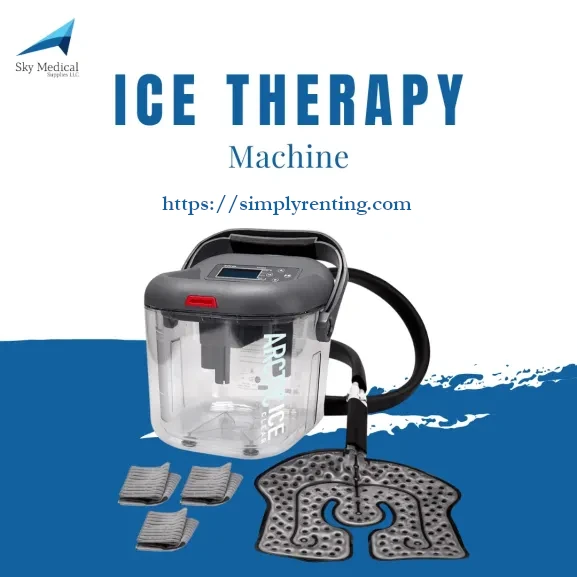
Ice machine compression therapy combines cold therapy (cryotherapy) with intermittent compression to deliver effective pain relief and swelling reduction. When used together, cold and compression therapy are widely recognized as more effective for injury recovery than using either method alone. This dual approach helps minimize inflammation, manage pain, improve circulation, and support faster healing.
Cold compression therapy offers several benefits, including reducing pain, swelling, and edema while enhancing muscle recovery, improving mobility, and stimulating healthy blood flow. With Sky Medical Supplies, cold therapy units integrate controlled cold delivery with intermittent compression in a single system designed to optimize therapeutic outcomes.
These systems work by inflating and releasing compression wraps at controlled intervals. The compression pump applies pressure to the affected area, holds it for approximately 10 seconds, and then releases it before reinflating again. Unlike static compression, which has limited effectiveness, intermittent compression actively moves blood and excess fluid away from the injured area. This process helps push swelling through the lymphatic system, reducing discomfort and promoting healing.
Cold therapy machines available through Sky Medical Supplies—including systems that use frozen gel packs or ice reservoirs—are clinically proven to help relieve pain and reduce inflammation. By maintaining consistent therapeutic temperatures, these devices deliver more reliable results than traditional ice packs.
Uses of Ice Machine Compression Therapy
Cold compression therapy is commonly used in a wide range of medical and rehabilitation settings. It is especially beneficial for post-operative recovery, such as after ACL or MCL surgery, as well as for acute injuries, chronic pain management, and athletic recovery.
Many athletes and healthcare professionals follow the RICE method, which stands for Rest, Ice, Compression, and Elevation. When rest and elevation are combined with advanced cold compression systems, recovery can become more efficient and comfortable. Sky Medical Supplies offers modern compression therapy technology that enhances the effectiveness of traditional RICE treatment.
Compression therapy alone is highly effective at reducing swelling and edema. Intermittent, or active, compression moves fluid away from the injured tissue toward the body’s core, where the lymphatic system can process it. This movement also increases circulation, allowing oxygen-rich blood to reach the affected area, which supports tissue repair and healing.
Cold therapy further enhances these benefits by decreasing nerve activity, reducing pain, and limiting inflammation. Many healthcare providers recommend alternating cold and warm therapy in 20-minute intervals when appropriate. For cold therapy, gel packs should be frozen for approximately one hour and then applied to the injured area for 20 minutes. After use, the pack should be returned to the freezer while the body rests.
Research indicates that therapeutic cold temperatures typically range between 40 and 50 degrees Fahrenheit, challenging the common misconception that colder temperatures are always better. Studies also suggest that combining cold therapy with active compression improves blood flow while decreasing swelling, muscle spasms, and edema. This combination not only reduces pain but can also accelerate the overall healing process.
Benefits of Ice Therapy and Cold Compression Therapy
By using cold compression therapy, patients can often experience a faster, more comfortable recovery. This treatment is suitable for individuals with minor joint pain, those recovering from major surgical procedures such as ACL reconstruction, and people managing chronic musculoskeletal conditions. Athletes also benefit from cold compression therapy as part of muscle recovery after intense training sessions.
Applying cold compression to sore or overworked muscles helps reduce swelling, improve circulation, and enhance overall muscle function. This allows individuals to recover more efficiently and return to daily activities or athletic performance sooner.
Following surgery, cryotherapy has been shown to reduce pain and swelling while decreasing the need for narcotic pain medications. Many patients report that ice therapy allows them to recover with less discomfort and fewer complications. In addition to pain relief, cold compression therapy often improves joint mobility and reduces stiffness during recovery.
Healthcare providers frequently recommend cold compression therapy for patients recovering from foot and ankle surgery due to its ability to control swelling and promote healing. Patients consistently report improved recovery experiences, decreased pain, and ease of use when using cold compression devices or rental ice machines, such as Breg Polar Care systems.
While cold compression therapy is optional, some patients choose to use traditional ice packs or homemade cold treatments. Although these alternatives may be less expensive, they are generally less effective because they cannot maintain consistent temperatures or provide active compression.
How Often and How Long Should Cold Therapy Be Used?
For significant joint surgeries, cold compression therapy should be used as frequently as possible during the first two weeks of recovery. When awake and alert, patients are often advised to use the cold compression unit for one hour, followed by a 30-minute break. Physical therapy exercises and daily activities should be performed during the off periods to allow normal movement and circulation.
Always follow your healthcare provider’s recommendations when using cold compression therapy, as individual recovery needs may vary.
Top Uses of Ice Machine Compression Therapy in Physical Therapy
Achilles Tendinopathy
Cold compression units improve surface contact around the heel and ankle by applying consistent air pressure. This allows the system to remove heat more effectively while reducing pain and swelling. Active pneumatic compression mimics natural muscle contractions, stimulating blood flow and helping eliminate edema.
Multiple Sclerosis
Research suggests that slight reductions in body temperature can temporarily relieve symptoms associated with multiple sclerosis. Cold compression therapy penetrates deeper tissues, works efficiently, and provides longer-lasting relief compared to standard cooling methods. Bundled wraps also allow multiple areas of the body to be treated simultaneously.
Carpal Tunnel Syndrome
Cold compression therapy wraps use active temperature exchange to keep the wrist cool while applying compression. This combination reduces swelling and pain by decreasing pressure on the median nerve, helping relieve symptoms associated with carpal tunnel syndrome.
Arthritis
Cold compression therapy provides deep penetration to reduce pain caused by inflamed joints. By decreasing swelling and improving circulation, these units help restore range of motion and promote tissue repair. Increased blood flow delivers oxygen and nutrients that support joint health and reduce cellular damage.
Scoliosis Pain
Cold therapy is a common treatment for managing scoliosis-related pain and discomfort. Compression wraps improve surface contact and enhance cooling effectiveness. Cold therapy helps reduce pain by slowing nerve conduction and limiting pain signal transmission.
Final Thoughts
Cold therapy remains one of the oldest and most effective treatment methods used in physical therapy today. Advancements in cold compression technology have improved upon the traditional RICE method by combining controlled cooling with active compression. As a result, patients experience reduced pain, faster healing, and less downtime following injuries or surgery.
Sky Medical Supplies offers medical ice machine rentals for individuals who may not be able to purchase a unit or who need therapy for a short-term condition. Contact us today to learn more about cold compression therapy options and how they can support your recovery.
Related Posts
Get weekly articles in your inbox on the latest medical supply news, exclusive deals, and helpful health tips.

 Having an