Blog What Is a Knee Scooter? Benefits, Uses, and Recovery Advantages
Last updated: January 22, 2026
What is a knee scooter?
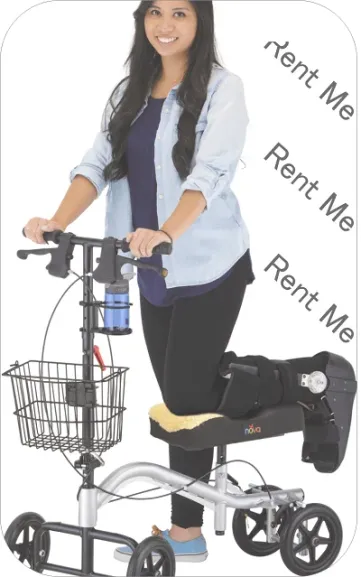
A steerable knee walker, also commonly known as a knee scooter, knee walker, leg scooter, knee caddy, knee cruiser, or orthopedic scooter, is a mobility aid designed for individuals who are unable to bear weight on one foot or lower leg.
For people recovering from below-the-knee injuries or surgeries that require the affected foot or leg to remain non-weight-bearing, knee scooters provide a safe, comfortable, and easy-to-use alternative to crutches. They are frequently recommended for conditions such as foot or ankle fractures, diabetic ulcers, ruptured Achilles tendons, severe ankle sprains, or post-surgical recovery. Knee scooters are also beneficial for individuals who have undergone partial or full foot amputation, allowing continued mobility while the surgical site heals or while waiting for a prosthetic fitting.
How a Knee Scooter Works
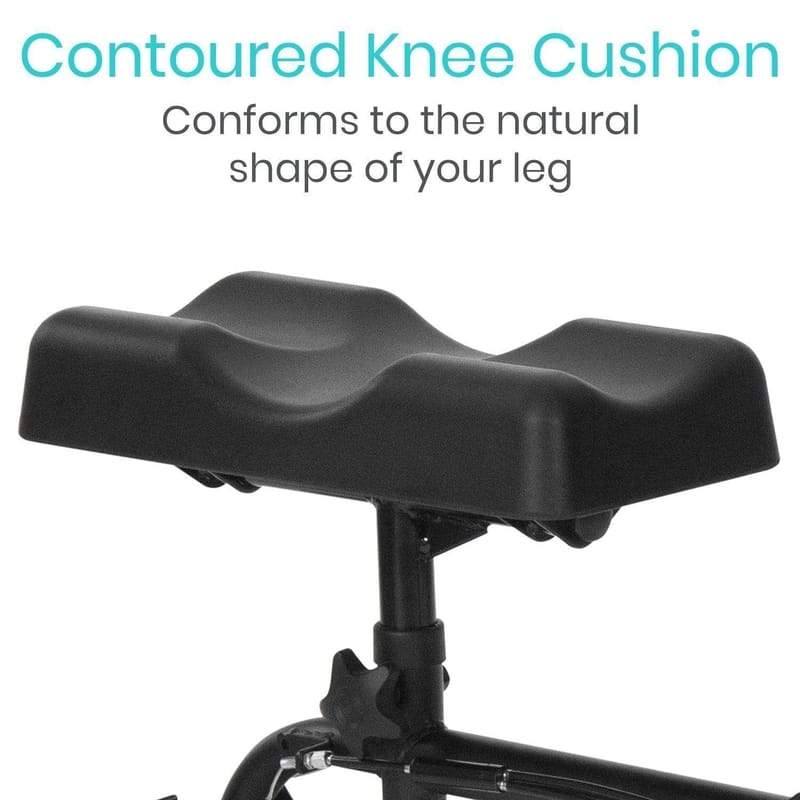
A knee scooter features an upright, cushioned platform that supports the injured leg at the knee, keeping it elevated and free from weight. Unlike crutches, which require balancing on one leg and placing strain on the arms and shoulders, knee scooters allow users to maintain balance using both legs.
Movement is achieved by pushing off with the healthy leg while steering the scooter using handlebars that control the front wheels. Throughout use, the injured limb remains elevated, protected, and completely weight-free.
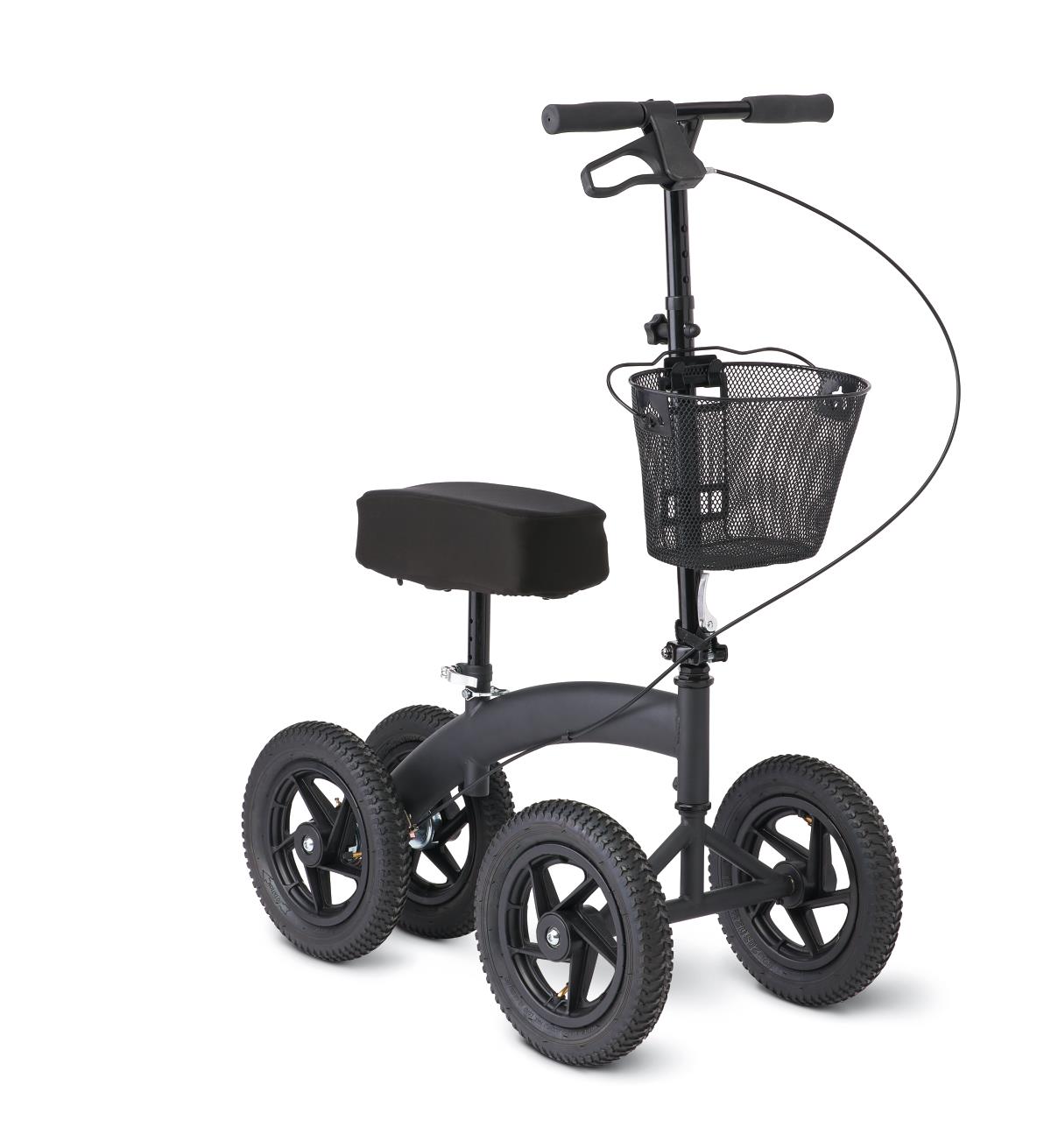
A knee scooter—sometimes referred to as a knee walker—is a non-motorized mobility device typically equipped with three or four wheels, adjustable handlebars, hand brakes, and a padded knee rest. Its design closely resembles a standard scooter but includes cushioning and support specifically for injury recovery.
To use a knee scooter, the user grasps the handlebars, engages the brakes, and carefully places the injured leg on the padded knee platform. Once stable and comfortable, the brakes are released, and the scooter is propelled forward using the uninjured leg. Directional changes are easily made by turning the handlebars. 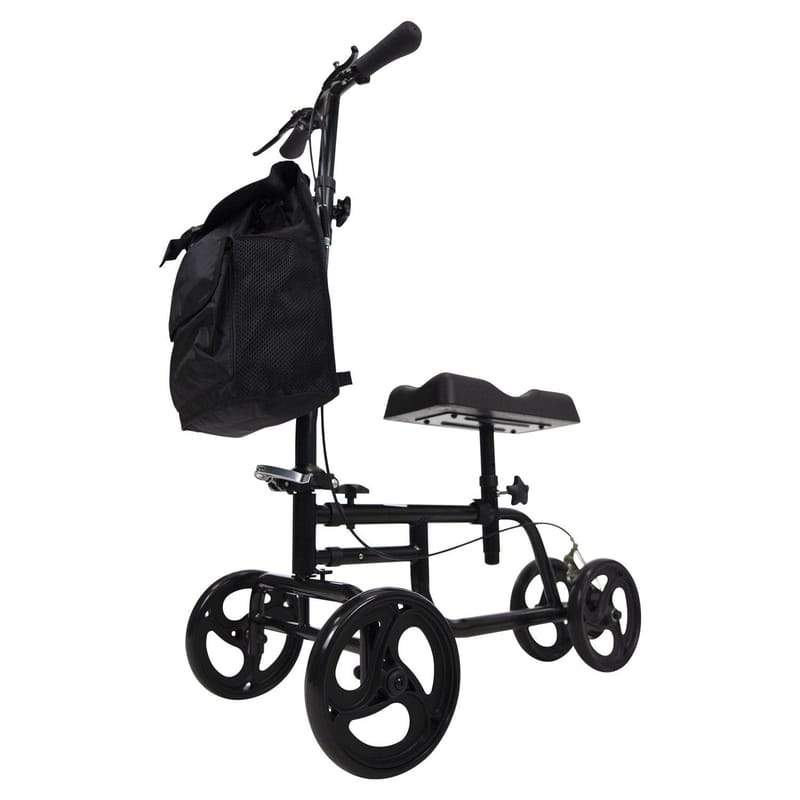
How a Knee Scooter Can Help During Recovery
Before knee scooters were widely available, patients recovering from lower-leg injuries often relied on crutches or wheelchairs, which significantly limited mobility and independence. Crutches place most of the body’s weight on the arms and upper body, often leading to fatigue, discomfort, and strain.
Knee scooters shift the workload back to the body’s stronger leg muscles, allowing for smoother, more natural movement. This reduces upper-body pain, minimizes fatigue, and lowers the risk of reinjury caused by falls. Another advantage is that knee scooters allow for hands-free movement, making it easier to perform everyday tasks at home, work, or while traveling.
Modern knee scooters are equipped with bicycle-style handlebars and hand brakes, making them easy to steer, control, and stop. Many models are foldable for convenient transportation and storage, and some include baskets or carriers for personal items. Because knee scooters come in various sizes and configurations, it is important to review product specifications carefully to ensure the right fit and features.
Benefits of Using a Knee Scooter During Recovery
Maintain a Straight Posture
Knee scooters promote a natural, upright posture with the back kept straight and the healthy leg moving in a comfortable rhythm. In contrast, crutches often require awkward bending or twisting, which can lead to stiffness and discomfort over time.
Aid in Recovery
One of the most common medical recommendations during recovery is to keep the injured foot or leg elevated. A knee scooter’s cushioned knee platform safely supports the injured limb while preventing it from bearing weight. This protection helps reduce swelling and shields the injury from accidental bumps or impacts.
Range of Motion and Versatility
Knee scooters are highly functional and adaptable mobility aids. Certain models, such as all-terrain knee scooters, are designed to handle a variety of surfaces including grass, gravel, and uneven ground. The responsive handlebars provide excellent directional control, allowing users to move confidently without the balance concerns often associated with crutches.
Practical Storage Options
Navigating daily life while injured can be challenging, especially when hands are occupied. Many knee scooter models include a storage basket or carrier, making it easier to transport items such as groceries, paperwork, or personal belongings.
Efficient and Time-Saving
With three or four wheels providing stability, knee scooters allow users to travel longer distances with significantly less effort than crutches. This efficiency helps conserve energy, allowing patients to focus more on healing and rehabilitation.
Increased Safety Compared to Crutches
Knee scooters are generally more stable than crutches due to their multi-wheel design, which enhances balance and reduces the risk of falls. They also eliminate the strain crutches place on the hands, wrists, shoulders, and underarms, making them a safer and more comfortable option for extended use.
Easy to Maneuver
Designed for both indoor and outdoor use, knee scooters are easy to maneuver even in tight spaces. Their ability to make sharp turns makes them especially practical in homes, offices, and other confined environments.
Conclusion
Safety is essential when using any mobility aid, and knee scooters are no exception. Always ensure the scooter is adjusted to the correct height and that the brakes are functioning properly. Exercise extra caution near stairs, steps, and escalators, and never attempt to use a knee scooter on these surfaces. Avoid carrying children while riding, make turns slowly, and keep all wheels firmly on the ground to reduce the risk of accidents.
When used correctly, a knee scooter can significantly improve mobility, comfort, and independence during recovery from lower-leg injuries or surgery.
Related Posts
Get weekly articles in your inbox on the latest medical supply news, exclusive deals, and helpful health tips.