Blog 6 Simple Ways to Recover Faster After Surgery or Injury
Last updated: April 3, 2026
Recovering from surgery or an injury can feel overwhelming at first. You want to heal quickly, get back to your routine, and feel like yourself again. The good news is that small, consistent actions at home can make a big difference.
Your recovery time depends on the type of procedure, your overall health, and how well you follow your care plan. But beyond medical treatment, what you do each day at home plays a major role in how fast—and how smoothly—you heal.
Let’s walk through six practical ways to support a faster, safer recovery.
Start with the Right Mindset
Before anything else, preparation matters. Ask your doctor what to expect, how long recovery may take, and what limitations you should follow.
Simple questions like:
- When can I move around?
- What activities should I avoid?
- Will I need support at home?
…can help you plan ahead and avoid setbacks.
A calm, patient mindset also helps more than most people realize. Healing takes time. The goal is steady progress, not rushing and risking complications.
1. Fuel Your Body with the Right Nutrition
Your body needs energy to heal. Even if your appetite is low, try to eat small, balanced meals throughout the day.
Focus on:
- Protein (eggs, chicken, fish) to repair tissue
- Vitamin C (fruits like oranges) to support healing
- Iron and B12 to help rebuild blood cells
Fiber and probiotics—like yogurt—can also support digestion and immunity, especially if you’re less active than usual.
Try to limit sugary foods and overly salty drinks. They can slow recovery and make swelling worse.
2. Move Gently, But Don’t Stay Still
It may feel safer to stay in bed, but too much rest can actually slow your recovery.
As soon as your doctor allows it, start with light movement. Even short walks around your room help improve blood flow and reduce the risk of complications like stiffness or blood clots.
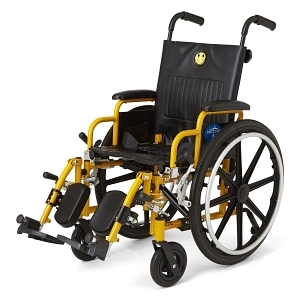
If walking feels difficult, this is where simple support tools can help. A walker or bedside support can make movement safer and less stressful, especially during the first few days.
The key is to start small and build gradually.
3. Follow Your Doctor’s Instructions Carefully
This sounds obvious, but it’s one of the most important parts of recovery.
Take medications as prescribed. Avoid activities you’ve been told to avoid. And don’t assume you’re ready for something just because you “feel okay.”
Healing happens inside your body too, not just on the surface. What looks fine on the outside may still need time internally.
If something feels off, speak up. Regular follow-ups and honest communication can prevent small issues from becoming bigger problems.
4. Create a Safe and Comfortable Recovery Space
Your environment can either help your recovery—or slow it down.
At home, simple adjustments can make daily activities easier and safer:
- Keeping essentials within reach
- Using stable seating for rest
- Adding support in the bathroom if needed
For example, tools like a raised toilet seat or bedside commode can reduce strain and lower the risk of falls. These small changes can make a big difference, especially for seniors or those with limited mobility.
Comfort matters too. The easier it is to rest and move safely, the smoother your recovery will be.
5. Keep Your Wound Clean and Prevent Infection
Infections can delay healing, so prevention is key.
Always wash your hands before touching your incision. Follow any cleaning instructions given by your healthcare provider, and keep the area dry and protected.
Watch for signs like redness, swelling, or unusual discharge. If you notice anything concerning, don’t wait—reach out to your doctor.
Most infections are avoidable with simple, consistent care.
6. Manage Pain So You Can Heal Properly
Pain is part of recovery, but it shouldn’t stop you from moving, resting, or breathing comfortably.
If pain is too strong:
- You may avoid movement, which slows healing
- You may struggle to cough or breathe deeply, increasing risks
Take pain management seriously. Use prescribed medication if needed, and follow your doctor’s guidance.
The goal isn’t to eliminate pain completely—it’s to keep it at a level where you can function and recover safely.
Final Thoughts
Recovering after surgery or an injury is a process, but the steps you take at home can speed things up and make the experience much easier.
Focus on the basics: eat well, move safely, follow instructions, and create a supportive environment around you.
If you or a loved one needs extra support during recovery, the right equipment can make everyday tasks safer and less stressful. From mobility aids to bathroom safety solutions, small additions can have a big impact on comfort and confidence.
Take it one day at a time. With the right approach, you’ll be back to your normal routine sooner than you think.
Related Posts
Get weekly articles in your inbox on the latest medical supply news, exclusive deals, and helpful health tips.