Blog Portable Oxygen Concentrator: How It Works, Benefits, and Safety Tips
Last updated: February 16, 2026
Portable Oxygen Concentrator: How It Works, Benefits, and Safety Tips
Living with a lung disease or respiratory condition is not easy. Simple tasks can feel exhausting. 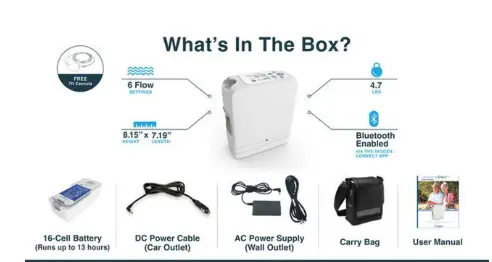 Walking across the room may leave you short of breath. That is where oxygen therapy becomes essential.
A portable oxygen concentrator (POC) helps people maintain healthy oxygen levels while staying active. Unlike traditional oxygen tanks, it gives you freedom. You can move, travel, and live your life with fewer limits.
If you or a loved one has been prescribed oxygen therapy, here is what you need to know.
Why Some People Need Supplemental Oxygen
Certain medical conditions lower the amount of oxygen in your blood. When oxygen levels drop too low, your body struggles. You may feel tired, dizzy, or short of breath.
Common conditions that may require oxygen therapy include:
- Chronic Obstructive Pulmonary Disease (COPD)
- Lung cancer
- Asthma
- Severe flu
- COVID-19
- Other chronic lung disorders
When your oxygen saturation falls below normal levels, your doctor may prescribe an oxygen concentrator. This is not optional equipment. It is medical therapy. Always follow your healthcare provider’s instructions.
What Is a Portable Oxygen Concentrator?
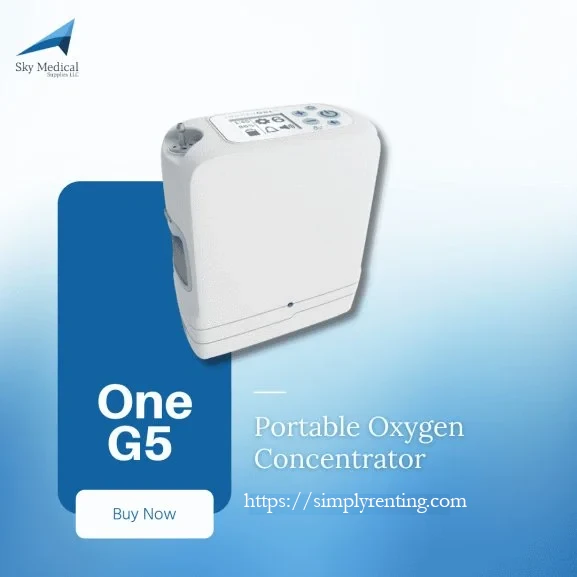
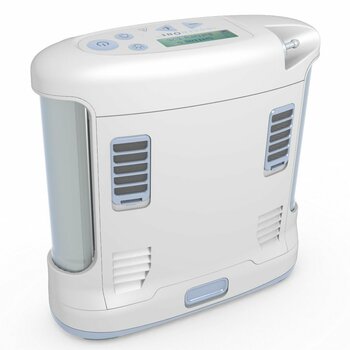
A portable oxygen concentrator is a small medical device that delivers concentrated oxygen to people with low blood oxygen levels.
It runs on:
- A rechargeable battery
- A wall outlet
- A car adapter (in most models)
Unlike oxygen tanks, a concentrator does not store oxygen. Instead, it pulls air from the room, filters it, and delivers purified oxygen through a nasal cannula.
Most portable units provide oxygen that is about 90–95% pure, compared to normal air, which contains about 21% oxygen.
Because it produces oxygen continuously, you do not need tank refills. That makes it safer and more convenient.
How Does a Portable Oxygen Concentrator Work?
Even though it looks simple, a POC has smart internal technology.
Here’s how it works:
1. Air Intake
The machine pulls in normal room air.
2. Compression
A compressor pressurizes the air.
3. Nitrogen Removal
The air passes through special filters called sieve beds. These contain a material called zeolite, which traps nitrogen.
Since air is mostly nitrogen (about 78%), removing it increases the oxygen concentration.
4. Oxygen Delivery
The purified oxygen moves into a storage chamber and then flows through a nasal cannula to the patient.
The machine cycles quickly between sieve beds. This ensures a steady supply of oxygen.
Most portable oxygen concentrators offer:
- Pulse dose flow – Oxygen is delivered only when you inhale.
- Continuous flow – Oxygen flows steadily at all times (available in some models).
Your doctor decides which mode you need.
Benefits of a Portable Oxygen Concentrator
Portable oxygen concentrators have become popular for good reason. They improve both health and quality of life.
1. Greater Mobility
Traditional oxygen tanks are heavy. They require refills. They limit movement.
A portable oxygen concentrator is compact and lightweight. You can carry it with a shoulder strap or backpack. This allows you to:
- Go shopping
- Attend family events
- Travel
- Walk in the park
You regain independence.
2. Improved Sleep
Some people with COPD experience nighttime oxygen drops. This disrupts sleep.
A properly set oxygen concentrator keeps oxygen levels stable throughout the night. That means better rest and more energy during the day.
3. Increased Energy
Low oxygen levels cause fatigue. Your body has to work harder.
When you receive the right oxygen flow, you may notice:
- Better stamina
- Improved focus
- Less shortness of breath
Oxygen therapy supports your daily activities.
4. Safer Than Oxygen Tanks
Oxygen tanks store compressed oxygen. That carries a risk if damaged.
A concentrator produces oxygen as needed. There is no high-pressure storage. This reduces rupture risks.
5. Easy to Use
Most modern POCs have:
- Digital displays
- Simple control buttons
- Battery indicators
- Audible alarms
If something is wrong, the machine alerts you.
Things to Consider Before Choosing a POC
Not all portable oxygen concentrators are the same. Before choosing one, consider:
Oxygen Flow Requirement
Some patients need continuous flow. Others need pulse dose only. Always follow your prescription.
 Battery Life
Check how long the battery lasts. Some models offer extended or double batteries.
Weight and Size
If you travel often, a lighter unit may be better.
Noise Level
Some machines are quieter than others. This matters for sleep or public settings.
Travel Approval
Many portable oxygen concentrators are approved for airline use, but always confirm with your airline before flying.
Important Safety Tips
Oxygen therapy is safe when used correctly. But you must follow precautions.
- Never smoke while using oxygen.
- Stay away from open flames or heat sources.
- Keep the unit in a well-ventilated area.
- Do not block air vents.
- Clean filters as recommended.
- Pay attention to alarms or warning sounds.
Also, never buy an oxygen concentrator without a prescription.
The U.S. Food and Drug Administration warns against using non-approved devices. Too little oxygen can harm your organs. Too much oxygen can damage your lungs. Oxygen therapy must be supervised by a medical professional.
Portable Oxygen Concentrator vs. Oxygen Tank
Here is the key difference:
Oxygen tank:
- Stores compressed oxygen
- Needs refilling
- Heavier
Portable oxygen concentrator:
- Produces oxygen from room air
- No refills required
- Lighter and easier to carry
For many people, a POC offers more freedom and convenience.
Final Thoughts
A portable oxygen concentrator can change daily life for someone with a respiratory condition. It provides steady oxygen while allowing movement and independence.
But remember: this is medical equipment. Always use it under a doctor’s supervision. Choose a device that matches your prescribed oxygen level. Follow safety guidelines carefully.
With the right setup, oxygen therapy does not have to limit your lifestyle. It can help you breathe easier and live more fully.
Related Posts
Get weekly articles in your inbox on the latest medical supply news, exclusive deals, and helpful health tips.