Blog Oxygen Concentrator for Home Use: How It Works & What to Expect
Last updated: April 9, 2026
Breathing shouldn’t feel like a struggle. But for many people recovering from illness, managing a chronic condition, or caring for a loved one, it often does.
That’s where an oxygen concentrator for home use can make a real difference.
If you’ve been wondering how these machines work, whether you need one, or what to expect, this guide will walk you through everything in simple terms—so you can make the right decision with confidence.
What Is an Oxygen Concentrator?
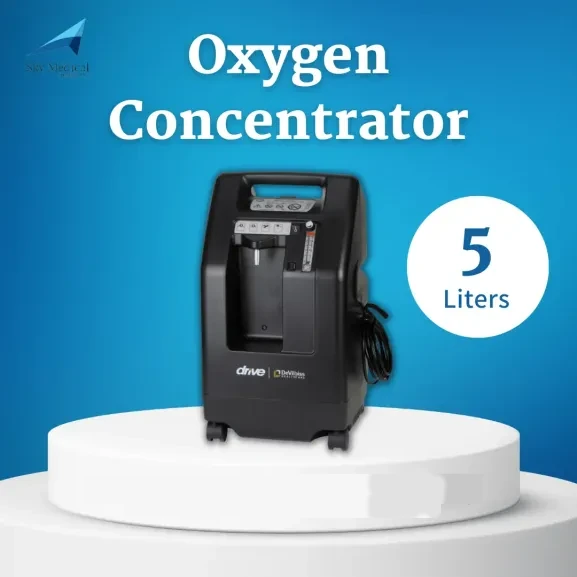
 An oxygen concentrator is a device that delivers a steady flow of oxygen to people whose blood oxygen levels are lower than normal.
Unlike oxygen tanks that store oxygen, a concentrator pulls in air from the surrounding environment and filters it. The result is a continuous supply of oxygen that you can use comfortably at home.
This makes it a practical option for:
- Recovery after surgery
- Chronic respiratory conditions
- Elderly care
- Short-term breathing support
Instead of worrying about refills, you get a reliable oxygen supply whenever you need it.
How Does an Oxygen Concentrator Work?
The process may sound technical, but it’s actually quite straightforward.
Here’s what happens behind the scenes:
First, the machine draws in regular air from the room. That air contains oxygen, nitrogen, and other gases.
Inside the unit, the air is compressed and passed through a special filter system. This system removes nitrogen and separates it from the oxygen.
What’s left is highly concentrated oxygen. That oxygen is then delivered through tubing to a nasal cannula or mask, making it easy to breathe in.
This cycle repeats continuously. So as long as the machine is running, you have a steady flow of oxygen.
No refills. No interruptions.
Oxygen Concentrator vs. Oxygen Tank
Many people ask this before making a decision.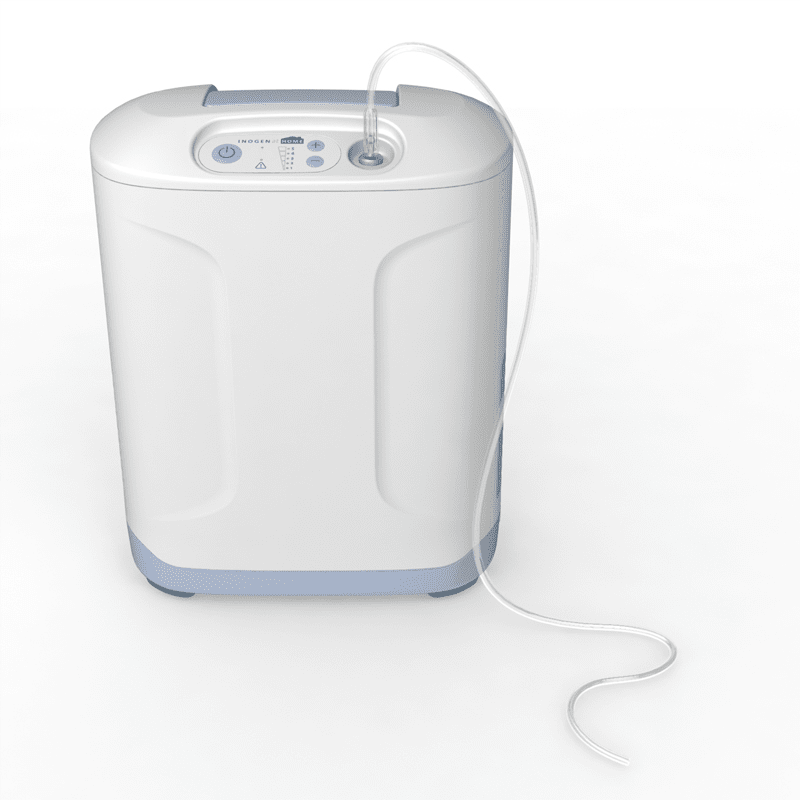
Oxygen tanks store a fixed amount of oxygen. Once it runs out, it needs to be replaced or refilled.
An oxygen concentrator, on the other hand, generates oxygen continuously from the air around you.
For home use, this often means:
- More convenience
- Less maintenance
- No need to track tank levels
That’s why concentrators are commonly preferred for long-term or daily use at home.
Who Should Consider Using One at Home?
An oxygen concentrator can be helpful if you or a loved one:
- Experience shortness of breath during recovery
- Have conditions like COPD or asthma
- Need oxygen support after hospitalization
- Require additional oxygen during sleep or daily activities
It’s always best to follow professional guidance, but many people find that having oxygen support at home improves comfort, energy levels, and overall quality of life.
How to Use an Oxygen Concentrator Safely
Using a home oxygen machine is easier than most people expect.
Once it’s properly set up, daily use becomes routine.
Start by placing the machine in a well-ventilated area, leaving some space around it for airflow. Turn it on a few minutes before use so it can reach the correct oxygen concentration.
Then, connect your nasal cannula or mask and adjust the flow rate as instructed.
That’s it.
A few simple habits can make a big difference:
- Keep the tubing straight and free from bends
- Make sure the device stays clean and dust-free
- Place it slightly away from walls or furniture
With proper use, the device works quietly in the background while you focus on resting or going about your day.
How Much Electricity Does It Use?
This is a common concern—and a valid one.
Most home oxygen concentrators are designed to be energy-efficient.
Smaller, portable units typically use around 100–150 watts. Larger units that deliver higher oxygen output may use more, especially if running continuously.
Even so, many users find the cost manageable compared to the convenience and health benefits they receive.
Some portable models can also run on rechargeable batteries or even a car adapter, giving you flexibility when moving around.
Should You Rent or Buy an Oxygen Concentrator?
The right choice depends on your situation.
If your need is short-term—such as recovery after surgery or illness—renting can be a practical and cost-effective option.
If you require long-term oxygen support, purchasing may make more sense over time.
The key is to choose a solution that fits your lifestyle, comfort, and duration of need.
Making the Right Choice for Your Needs
Choosing an oxygen concentrator isn’t just about the machine. It’s about improving daily comfort, reducing stress, and making breathing easier in your own space.
If you’re unsure which option is right for you, getting guidance from a trusted home medical equipment provider can help you avoid guesswork and find the right fit quickly.
Whether you need short-term support or a longer-term solution, having the right setup at home can make all the difference.
Related Posts
Get weekly articles in your inbox on the latest medical supply news, exclusive deals, and helpful health tips.