Blog Three Simple Steps to Prepare for Foot or Ankle Surgery
Last updated: April 21, 2026
Foot or ankle surgery can feel overwhelming. You rely on your feet for almost everything, so even a short recovery period can disrupt your daily life.
The good news is this: with the right preparation, recovery becomes much easier. Small steps taken before surgery can save you from frustration, pain, and unnecessary stress later.
This guide walks you through three simple steps to help you prepare, recover comfortably, and stay mobile during the process.
Step 1: Prepare Your Body and Medical Plan
Preparation starts before the surgery day. The more clarity you have, the smoother everything feels.
Start by meeting your doctor a few days in advance. Ask clear, practical questions. What medications should you stop? What equipment will you need after surgery? How long will recovery take?
Certain medications like aspirin, ibuprofen, or anti-inflammatory drugs are often paused before surgery because they can increase bleeding. If you’re taking anything regularly, confirm it with your doctor first.
Nicotine is another important factor. It slows blood flow and can delay healing. Avoiding it before surgery can make a real difference in how quickly your foot or ankle recovers.
You should also confirm if any tests are needed beforehand, such as X-rays or EKGs. Getting these done early prevents last-minute stress.
Finally, plan your fasting time. Most procedures require you to stop eating 6–8 hours before surgery. If your surgery is in the morning, that usually means no food or drinks after midnight.
The goal here is simple: remove uncertainty. When you know what to expect, you feel more in control.
Step 2: Set Up Your Space and Daily Routine
Recovery doesn’t start after surgery—it starts with how well you prepare your environment.
When you return home, you’ll want everything within easy reach. Walking will be limited, and even small movements can feel difficult at first.
Start with your space. Clean your home ahead of time and organize a recovery area where you can rest comfortably. Keep essentials like water, medications, chargers, and snacks nearby so you don’t have to move around often.
Food preparation is often overlooked. Cooking right after surgery is not easy. Preparing meals in advance or stocking up on simple, healthy options can save you a lot of effort. Your body heals faster when it gets proper nutrition, so focus on balanced meals instead of relying on takeout.
You should also plan for help. Whether it’s a family member, a friend, or a neighbor, having someone available—even occasionally—makes a big difference. Simple tasks like cleaning, cooking, or running errands can become challenging during recovery.
If you have pets or dependents, make arrangements early. This removes unnecessary pressure and allows you to focus on healing.
Step 3: Get the Right Mobility Support
This is where many people underestimate their needs.
After foot or ankle surgery, getting around safely becomes one of the biggest challenges. The right mobility support can completely change your recovery experience.
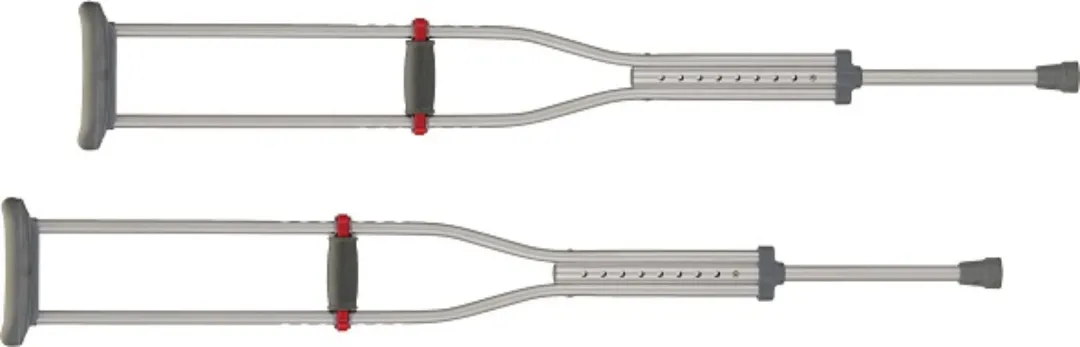
Depending on your condition, your doctor may recommend crutches, a knee scooter, or supportive footwear. Each option serves a different purpose.
A knee scooter is often the preferred choice for many patients, especially when weight-bearing is restricted. It allows you to move around without putting pressure on your injured foot. Compared to crutches, it feels more stable and requires less upper body effort. If you have enough space at home, it can make daily movement much easier.
Orthopedic or post-surgery shoes are typically used in less severe cases or during later stages of recovery. They help protect your foot while allowing limited movement.
Other small additions can also improve comfort. A raised toilet seat, a shower chair, or a handheld shower head can reduce strain and make everyday activities safer.
What Most Patients Don’t Realize
Many people wait until after surgery to think about mobility equipment. That often leads to stress, discomfort, or unnecessary risk.
Planning ahead gives you time to choose what works best for your situation. It also ensures everything is ready the moment you return home.
In many cases, renting equipment like a knee scooter is a practical option. You get what you need for recovery without committing to a long-term purchase. This is especially helpful if your mobility limitation is temporary.
Final Thoughts
Foot or ankle surgery will slow you down—but it doesn’t have to make your life harder than it needs to be.
The key is preparation.
When you plan your medical steps early, set up your space properly, and arrange the right mobility support, recovery becomes more manageable. You reduce stress, avoid complications, and give your body the best chance to heal.
If you’re preparing for surgery and unsure what equipment you’ll need, it helps to speak with someone who understands recovery challenges. The right guidance can save you time and make the entire process smoother.
Related Posts
Get weekly articles in your inbox on the latest medical supply news, exclusive deals, and helpful health tips.