

Blog Raised Toilet Seat for Home: Benefits, Types & How to Choose the Right One
Last updated: April 1, 2026
Struggling to sit down or stand up from the toilet can quickly turn a simple daily task into a painful or risky experience. This is especially common for seniors, people recovering from surgery, or anyone dealing with joint pain or limited mobility.
A raised toilet seat for home is a simple solution that can make a big difference. It adds extra height to your toilet, making it safer and easier to use without putting unnecessary strain on your knees, hips, or back.
In this guide, you’ll learn how it works, who needs it, the different types available, and how to choose the right one for your home.
What Is a Raised Toilet Seat?
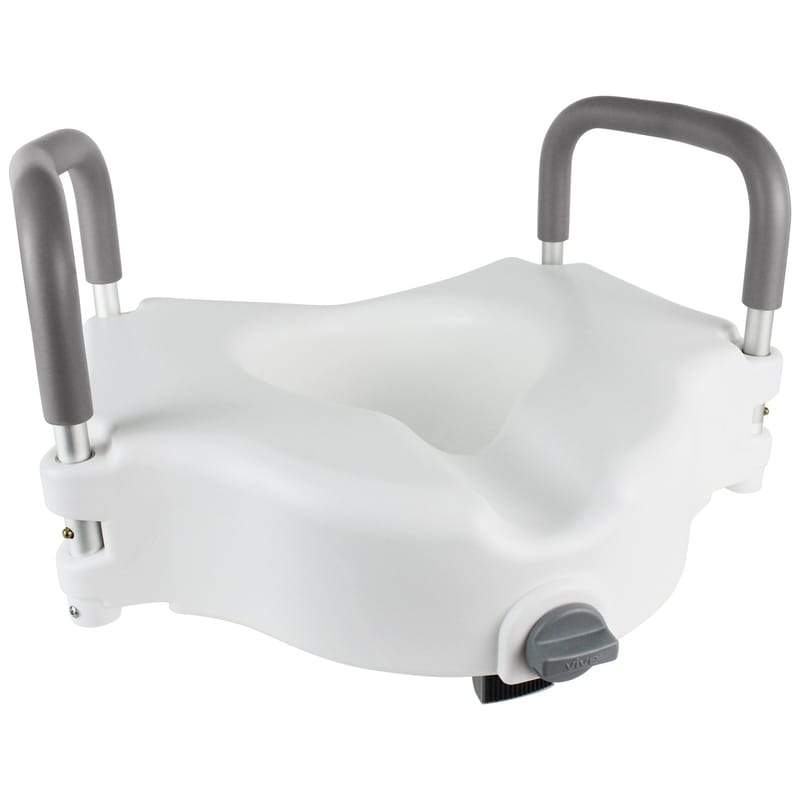
A raised toilet seat is a bathroom safety device designed to increase the height of a standard toilet. By elevating the seat, it reduces the effort required to sit down and stand up.
It’s one of the most practical pieces of bathroom safety equipment for home, especially for individuals who want to maintain independence while reducing the risk of falls.
Benefits of Using a Raised Toilet Seat at Home
A raised toilet seat is not just about comfort. It directly improves safety, independence, and ease of movement.
For seniors or individuals with limited mobility, one of the biggest benefits is fall prevention. Lower toilets require more bending and strength, which increases the risk of losing balance. A raised seat minimizes that risk.
It’s also highly beneficial for people recovering from hip or knee surgery. Doctors often recommend avoiding deep bending during recovery, and a toilet seat riser helps maintain proper posture.
For those with arthritis or chronic joint pain, even small movements can be uncomfortable. The added height reduces pressure on joints and makes daily use much more manageable.
Caregivers also benefit. Assisting someone in the bathroom becomes safer and less physically demanding when the toilet is easier to access.
Even taller individuals find raised seats more comfortable, as standard toilet heights can feel too low.
Types of Raised Toilet Seats
Choosing the right type depends on the user’s needs, level of mobility, and comfort preferences.
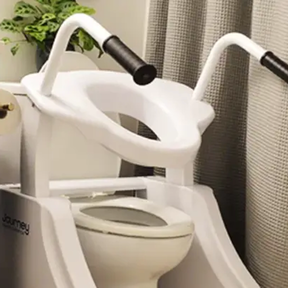
Raised Toilet Seat with Arms
This type provides additional support when sitting or standing. The armrests act as stabilizers, making it ideal for seniors, post-surgery patients, or anyone who needs extra balance.
Elevated Toilet Seat with Lid
A simpler option that adds height without side support. It works well for users who are stable but need less bending, such as taller individuals or those with mild joint discomfort.
Hinged Raised Toilet Seat
This option allows the seat to be lifted easily for cleaning. It combines convenience with functionality and is suitable for shared bathrooms where hygiene and accessibility both matter.
How to Choose the Right Raised Toilet Seat for Home
Not all raised toilet seats are the same. Choosing the right one depends on a few key factors that directly impact comfort and safety.
Height Matters Most
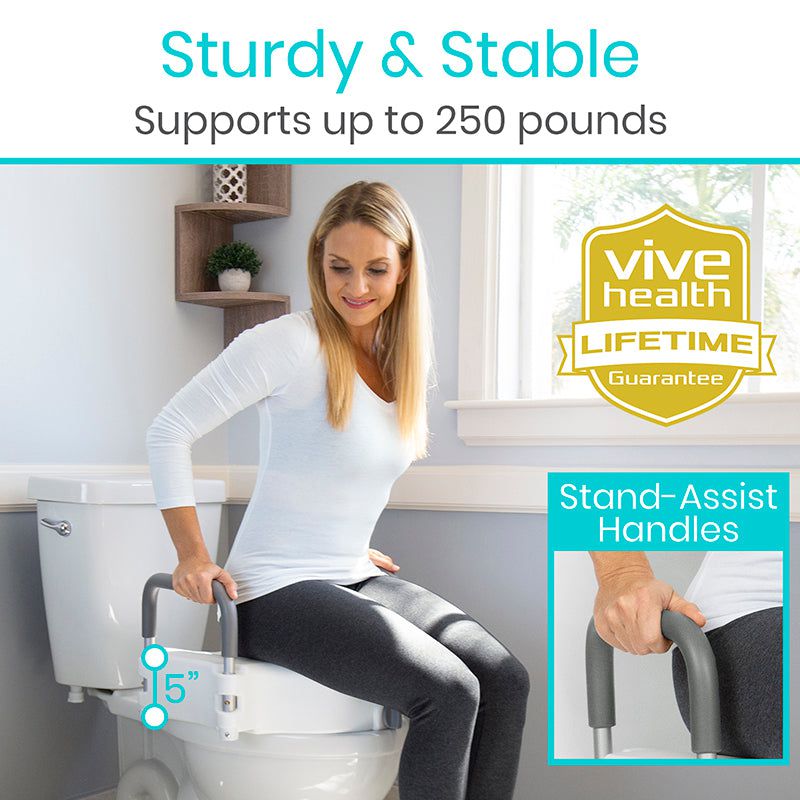
Most seats add between 2 to 5 inches. If the seat is too low, it won’t solve the problem. Too high, and it may feel unstable. A good rule is to choose a height that allows the user’s feet to rest flat on the floor while sitting.
Check Toilet Compatibility
Toilets come in two main shapes: round and elongated. Make sure the seat matches your toilet type to avoid movement or poor fit.
Weight Capacity
Always check the maximum weight limit. A higher weight capacity usually means better durability and stability.
Safety and Stability
Look for locking mechanisms such as clamps or bolt-on designs. These keep the seat securely in place and reduce the risk of slipping.
Material and Comfort
Plastic seats are lightweight and easy to clean, while padded options offer extra comfort for long-term use.
How to Install a Raised Toilet Seat
Installing a raised toilet seat is usually quick and doesn’t require special tools.
Start by placing the seat on your toilet bowl and aligning it properly. Depending on the model, secure it using clamps, screws, or a locking mechanism. Once installed, press down gently to make sure it doesn’t shift.
Before regular use, test it for stability to ensure it feels secure and balanced.
Cleaning and Maintenance Tips
Keeping your raised toilet seat clean is important for hygiene and durability.
Use warm water, mild soap, and a soft cloth to clean the surface regularly. Avoid harsh chemicals that may damage the material.
Check the fasteners and locking system from time to time. Tighten anything that feels loose to maintain safety.
When Do You Need a Raised Toilet Seat?
You should consider a toilet seat riser if you or a loved one:
- Have difficulty standing up from a low seat
- Are recovering from hip, knee, or back surgery
- Experience joint pain or arthritis
- Need extra support in the bathroom
- Want to improve safety and independence at home
It’s a simple upgrade, but it can significantly improve daily comfort and confidence.
Final Thoughts
A raised toilet seat may seem like a small addition, but it plays a big role in creating a safer and more comfortable home environment.
Whether you’re supporting a loved one, recovering from surgery, or simply looking for better comfort, this is one of the easiest ways to improve bathroom safety.
If you’re exploring mobility aids for home bathroom use, a raised toilet seat is often the first and most effective step toward greater independence.
Tags
- contest
- event
- supplies
- design
- brand
- video
- Compression
- upright walker
- four wheel walker
- rollator
- wheelchair
- Ostomy
- elegantly
- elegantly
- accessibility
- Mobility
- knee walker rental
- knee scooter sales
- knee scooter
- post operative shoe
- anti-embolic stockings
- pain management
- cryotherapy therapy
- hot cold compress
- compression stockings
- lift chair
- wound Care
- air purifier
- fall prevention
- cushion
- oxygen therapy
- cpap, bipap
- Hospital Bed
- Life Aide
- EMS
- recovery
- splint
- knee brace
- Bathroom
- patient lift
- medical supply
- Wound dressings
- Lightweight Wheelchair
- hospital beds for sale
- sky medical supplies rentals
- compression socks
- Adult Diapers
- Rollator Walker
- Bed Wedge Pillow
- Hospital beds
- Patient Lifts and Slings
- Portable Oxygen Concentrator
- Patient Lift Slings
- knee scooter rental
- folding mobility scooter
- mobility scooter
- medical shoes
- raised toilet seat
- hospital beds for rent
- lift chair recliner
- chair lift
- electric wheelchair
- Power Lift Recliners for Elderly
- Senior Walkers
- Bedside Commodes
- whill wheelchair
- compression hose
- Whill Electric Wheelchairs
- Bariatric Wheelchair
- Recliner Chairs with Lift
- Colostomy Bag
- Crutches
- Medical Wedge Pillow
- skin barrier tape
- Post Surgery Ice Machine
- Bedside Commode
- chair lift recliners
- cane holder scooter
- lift chair prices
- drop arm commode
- rollator walker with ergonomic seats
- Hospital Bed Rental
- Wheelchair Tray
- Golden Technologies Lift Chair
- Nova GetGo Junior Rollator
- power lift recliners
- Knee Scooters and Crutches:
- stand up walker for seniors
- stand up walker as seen on TV
- Women's Walking Canes
- Knee Immobilizers
- Bed Wedge Pillow
- Medical Supply Stores
- Sit to Stand Lifts
- Grab Bars
- Compression Gloves
- incontinence bed pads
- Lift Reclining Chair
- Knee Walker Scooters
- Hernia Belt Near You
- Mobility Scooter Stores Near Me
- Folding Knee Walker
- Oxygen Concentrator Store
- Inogen Battery
- Electric Bed Frames
- Placing Lift Chair
- diaper brief
Related Posts
Get weekly articles in your inbox on the latest medical supply news, exclusive deals, and helpful health tips.