Blog Why Choose a Knee Walker Over Crutches After a Surgical Procedure?
Last updated: January 15, 2026
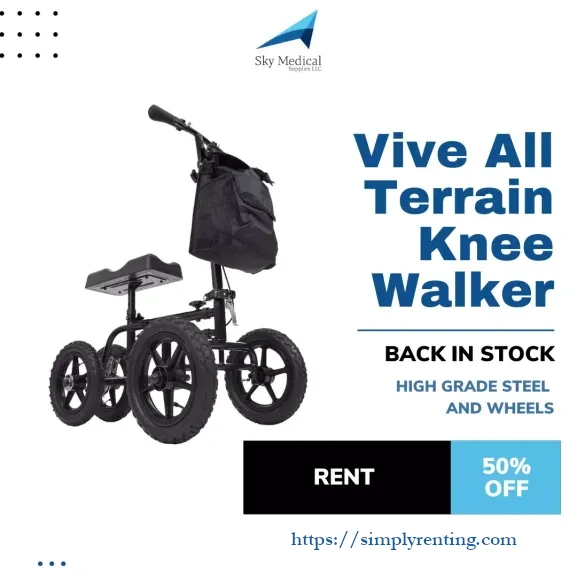
While recovering from an injury or following a surgical procedure, mobility assistance is often necessary to help patients move safely and comfortably. Traditionally, crutches have been the most commonly prescribed mobility aid. However, many patients find them uncomfortable, difficult to use, and physically demanding. In recent years, knee walkers—also known as knee scooters—have emerged as a highly effective alternative, offering improved comfort and mobility during recovery.
When deciding between crutches and a knee walker, it is important to consider factors such as stability, ease of use, physical strain, and overall recovery experience. Based on both personal experience and practical comparison, knee walkers often provide a more convenient and patient-friendly solution for post-surgical mobility. This article explores both options in detail, highlighting their advantages and disadvantages to help patients make an informed decision.
 Knee Walker vs. Crutches: A Comparative Overview
Crutches
Crutches are among the most commonly issued mobility devices for individuals recovering from surgery or managing lower-body injuries. They consist of two long supports placed beneath the arms, allowing users to keep weight off the injured leg while walking. Crutches can be effective when used correctly, but they also present several challenges that may hinder recovery.
Pros of Crutches
One of the primary advantages of crutches is affordability. They are inexpensive, widely available, and suitable for various terrains, including uneven or rough surfaces. Crutches are also lightweight and easy to store when not in use. For individuals with strong upper-body strength and good balance, crutches can allow relatively quick movement once proper technique is mastered.
Cons of Crutches
Despite these benefits, crutches come with notable drawbacks. They place significant pressure on the hands, wrists, shoulders, and underarms, which can lead to discomfort, irritation, and even nerve damage if used incorrectly. Many users experience underarm pain due to prolonged weight-bearing in sensitive areas. Additionally, crutches require considerable upper-body strength and coordination, making them particularly challenging for older adults or individuals with limited strength.
Crutches also restrict the user’s ability to carry items or perform everyday tasks such as opening doors. Navigating stairs, tight spaces, and doorways can be difficult, increasing the risk of imbalance and falls. Furthermore, crutches tend to slow movement and can be physically exhausting over extended periods, which may negatively affect the overall recovery process.
Knee Walker
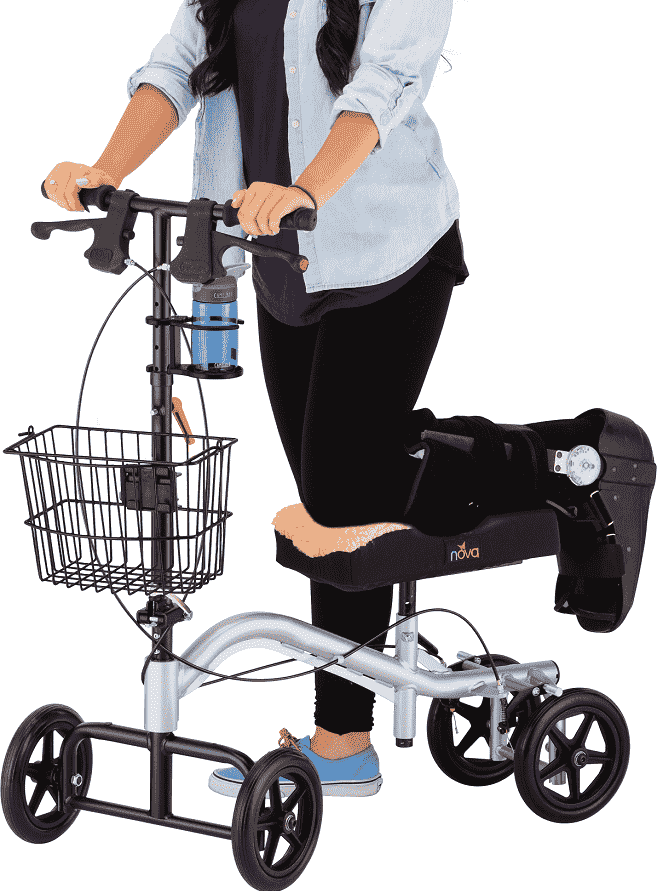
Knee walkers, commonly referred to as knee scooters, are designed specifically for individuals with lower-leg, ankle, or foot injuries who need to remain non-weight-bearing during recovery. These devices feature wheels, handlebars, and a padded platform on which the injured leg rests comfortably, allowing users to move without placing pressure on the affected area.
Pros of Knee Walkers
One of the most significant advantages of knee walkers is comfort. The padded knee platform reduces strain on the upper body and eliminates underarm discomfort entirely. Unlike crutches, knee walkers do not require substantial upper-body strength, making them especially suitable for older adults or patients with limited physical endurance. Their low center of gravity provides greater stability, reducing the risk of slips and falls.
Knee walkers also enhance mobility efficiency. Users can move more smoothly and quickly, navigate through doorways with ease, and maintain better balance while turning. The hands remain free to perform daily activities, such as carrying items or opening doors, which greatly improves independence during recovery. Many patients find that knee walkers make daily life significantly more manageable compared to crutches.
Cons of Knee Walkers
Despite their use, knee walkers do have some limitations. They are generally more expensive than crutches, although rental options are widely available through medical supply providers. First-time users may require a short adjustment period to become comfortable with steering and balance. Additionally, knee walkers are not suitable for stair use, which can be a concern in homes without elevators or ramps.
The Bottom Line
Both crutches and knee walkers serve important roles in post-surgical mobility, but their effectiveness depends largely on the patient’s physical condition, environment, and comfort needs. While crutches may be appropriate for short-term use or for individuals with strong upper-body strength, they often cause discomfort and limit daily functionality over time.
Knee walkers offer a more comfortable, stable, and user-friendly alternative that promotes mobility while minimizing physical strain. For many patients, especially those recovering from foot, ankle, or lower-leg surgery, knee walkers can significantly enhance the recovery experience.
Medical supply providers such as Sky Medical Supplies offer a wide range of knee walkers available for both rental and purchase, making this mobility solution accessible and cost-effective. With the right mobility aid, patients can maintain independence, improve comfort, and focus on healing—making the journey to recovery smoother and more manageable.
Related Posts
Get weekly articles in your inbox on the latest medical supply news, exclusive deals, and helpful health tips.