Blog Knee Surgery Recovery: 7 Essential Tips for a Smooth and Successful Healing Process
Last updated: February 21, 2026
Knee surgery is often the turning point between chronic pain and restored mobility. Whether you’ve undergone arthroscopy, ligament repair, or a total knee replacement, your recovery period plays a critical role in your long-term results.
The procedure is only one part of the journey. What you do in the weeks that follow determines how safely and how quickly you return to daily life.
Here’s how to support a smooth and successful recovery.
Why Knee Braces Matter After Surgery
After surgery, your knee is vulnerable. Swelling, reduced strength, and limited stability are normal. A properly fitted knee brace protects the joint during this critical healing window.
A brace helps control movement, prevents accidental twisting, and reduces strain on healing tissues. It also gives patients something equally important: confidence. When you feel supported, you move more safely.
Different procedures require different levels of support.
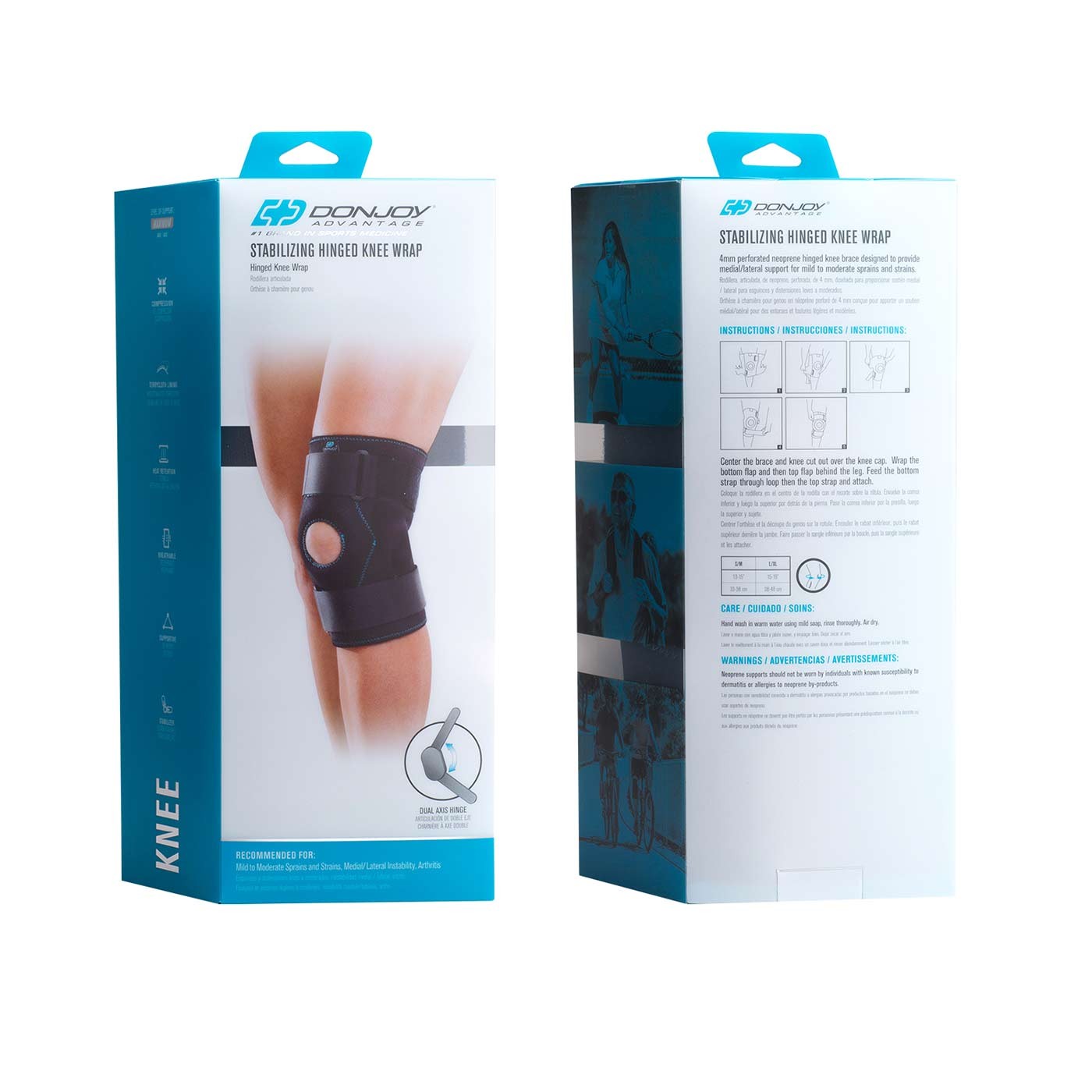 Functional knee braces are commonly used after ACL reconstruction. They stabilize the joint while allowing controlled motion.
Post-operative knee braces are typically worn immediately after major procedures like total knee replacement. These braces limit range of motion to protect surgical repairs.
Unloader braces are often recommended for arthritis patients to reduce pressure on a specific compartment of the knee.
Patellar stabilizing braces help guide the kneecap and are useful in cases of instability or anterior knee pain.
Using the correct brace, as prescribed by your surgeon, can significantly reduce the risk of re-injury.
7 Essential Tips for Knee Surgery Recovery
1. Use the Right Medical Supplies
Recovery becomes safer and more manageable when your home is properly prepared.
Mobility aids such as walkers or crutches reduce pressure on the healing joint. Ice therapy devices help control inflammation. Compression supports improve circulation. Even something as simple as a proper leg elevation cushion can reduce swelling and discomfort.
High-quality equipment is not just about convenience. It prevents setbacks. When your body is already healing, the last thing you need is instability or avoidable strain.
2. Manage Pain and Swelling Consistently
Pain and swelling are expected after surgery, but they must be controlled.
Follow your prescribed medication schedule carefully. Apply ice in short, consistent intervals. Elevate your leg above heart level whenever possible during the first few weeks. These simple habits improve circulation and reduce stiffness.
Ignoring swelling can delay mobility progress. Managing it daily supports faster rehabilitation.
3. Commit to Physical Therapy
Physical therapy is one of the most important parts of knee surgery recovery.
Your therapist will guide you through exercises that restore strength, flexibility, and joint stability. Early movements may feel small, but they lay the foundation for long-term function.
Skipping sessions or avoiding home exercises often leads to stiffness and slower progress. Consistency matters more than intensity.
4. Support Healing with Proper Nutrition
Your body rebuilds tissue every day during recovery. It needs fuel to do that efficiently.
Lean protein supports muscle repair. Fruits and vegetables provide essential vitamins and antioxidants. Staying hydrated improves circulation and helps reduce inflammation.
A balanced diet may seem secondary to exercise, but it plays a powerful role in healing speed and immune protection.
5. Stay Active — Within Safe Limits
Rest is essential, especially in the early days. However, complete inactivity can cause stiffness and weaken surrounding muscles.
Follow your surgeon’s activity guidelines closely. Gentle, controlled movement improves blood flow and prevents complications. The key is balance — move with intention, not fear, and never push through sharp pain.
6. Prioritize Rest and Sleep
Recovery requires energy. Quality sleep allows your body to repair tissue and reduce inflammation naturally.
Aim for seven to eight hours of sleep each night. Use supportive positioning to keep your knee elevated and comfortable. Taking short rest breaks during the day can also prevent unnecessary swelling.
Healing accelerates when your body is well-rested.
7. Follow Your Doctor’s Instructions Carefully
Post-operative instructions are designed to protect your surgical results.
Attend all follow-up appointments. Use your brace exactly as directed. Take medications on schedule. Respect weight-bearing restrictions. Even if you feel stronger, healing tissues still need protection.
Patients who follow medical guidance closely tend to experience fewer complications and smoother recoveries.
Common Mistakes to Avoid After Knee Surgery
Many recovery delays happen because patients remove their brace too early, overexert themselves during exercise, or underestimate swelling.
Another common issue is using poorly fitted or low-quality support equipment. Instability increases the risk of strain and discomfort. Proper medical supplies provide consistent support during every stage of healing.
Avoid rushing the process. Steady progress leads to lasting results.
When to Contact Your Doctor
While mild discomfort is normal, certain symptoms require immediate attention. Increasing redness around the incision, worsening swelling, persistent fever, or sudden sharp pain should never be ignored.
Early communication with your healthcare provider prevents minor concerns from becoming serious complications.
Set Yourself Up for a Stronger Recovery
Knee surgery recovery takes patience, discipline, and the right support system. When you combine professional medical guidance with reliable recovery equipment, you create the best possible environment for healing.
Whether you’re preparing for surgery or currently in recovery, having access to properly fitted knee braces, mobility aids, and recovery essentials can make each day safer and more comfortable.
Your recovery deserves stability. And the right support makes all the difference.
Related Posts
Get weekly articles in your inbox on the latest medical supply news, exclusive deals, and helpful health tips.