Blog How to Use a Transfer Gait Belt Safely at Home
Last updated: May 11, 2026
Helping a loved one move safely around the home can be challenging, especially when balance, strength, or mobility become limited. Simple tasks like standing up from a chair, walking to the bathroom, or getting into bed may suddenly require assistance. That is where a transfer gait belt can help.
A transfer gait belt gives caregivers a safer and more secure way to support someone during movement and transfers. It helps reduce the risk of falls while also making everyday mobility assistance easier at home. Whether you are caring for an aging parent, someone recovering from surgery, or a person with limited mobility, learning how to properly use a gait belt can make a major difference in comfort and safety.
What Is a Transfer Gait Belt?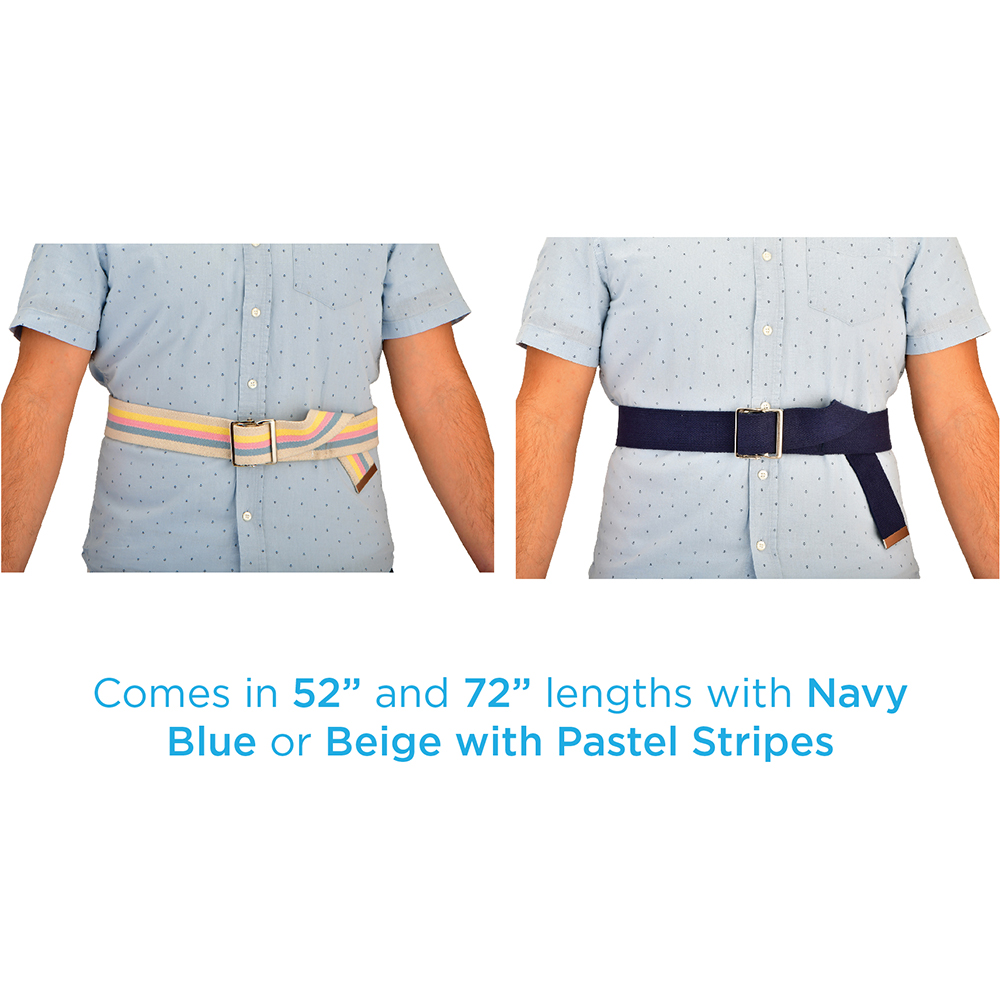
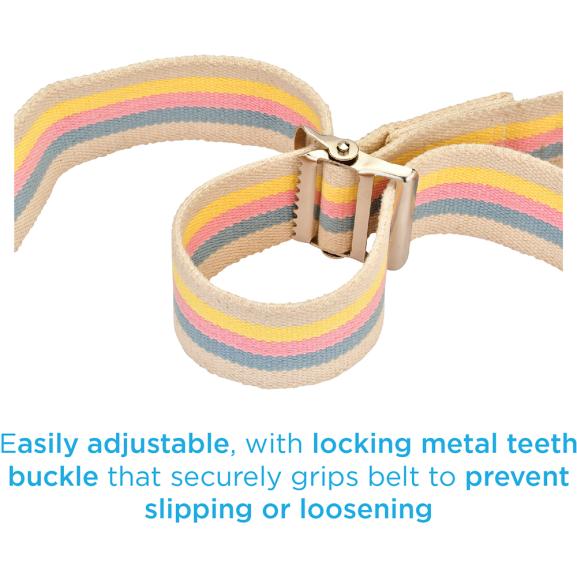
A transfer gait belt, sometimes called a patient transfer belt, is a mobility aid used to help support someone while standing, walking, or transferring between surfaces. Caregivers place the belt around the person’s waist to maintain a secure grip during movement.
Most gait belts are made from durable materials like nylon, cotton, or reinforced fabric. They typically include either a metal buckle or a quick-release clasp for easier adjustments.
Transfer gait belts are commonly used at home by:
- Family caregivers
- Seniors with balance issues
- Individuals recovering from surgery
- People with mobility limitations
- Home care providers
Unlike pulling on someone’s arms or shoulders, a gait belt allows caregivers to support movement more safely and comfortably.
Benefits of Using a Gait Belt at Home
A gait belt is a simple tool, but it can improve safety for both the caregiver and the person receiving assistance.
One of the biggest benefits is fall prevention. A secure transfer gait belt helps stabilize movement and provides better balance support while walking or standing. This can help reduce sudden slips or unsafe transfers.
It also helps caregivers maintain better body mechanics. Instead of straining the back or lifting awkwardly, the belt provides a safer grip and better control during movement.
Many people also feel more confident when using a gait belt. Knowing someone can support them safely often reduces fear during transfers or short walks around the home.
For families providing daily care, this type of home mobility equipment can make routines smoother and less stressful.
How to Properly Use a Transfer Gait Belt
Before using a gait belt, make sure the area is safe and free from clutter. Remove loose rugs, cords, or objects that could create a tripping hazard.
Explain the process clearly before helping the person move. Good communication helps the individual feel more comfortable and prepared.
Wrap the transfer gait belt around the waist over clothing, not directly on bare skin. The belt should fit snugly without feeling tight. A good rule is to leave enough room for two fingers between the belt and the body.
If the person has sensitive skin or is frail, make sure clothing is smooth underneath the belt to reduce irritation.
When assisting with standing or transfers: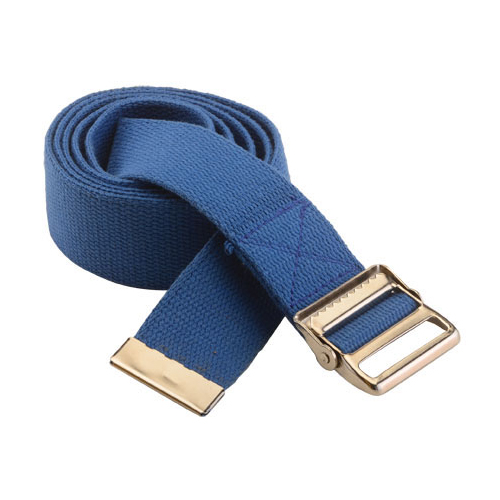
- Bend at your knees, not your back
- Keep your feet shoulder-width apart
- Hold the belt securely from underneath
- Avoid pulling or twisting suddenly
It also helps to count together before moving. A simple “1, 2, 3” can improve coordination and make transfers feel smoother.
Move slowly and avoid rushing. Even small movements can feel overwhelming for someone with limited mobility.
Using a Gait Belt While Walking
Transfer gait belts are also useful during short walks at home. They provide extra support when someone feels unsteady or weak.
Walk slightly behind and beside the person, usually on their weaker side if one side needs more support. Maintain a firm but gentle grip on the belt while allowing them to move at a natural pace.
Avoid pulling them forward. Instead, focus on providing steady balance support.
If the person begins to lose balance, do not try to stop the fall by pulling upward suddenly. Instead, keep hold of the gait belt and guide them carefully downward while protecting yourself from strain.
Encouraging proper footwear can also improve safety. Non-slip shoes or supportive slippers help reduce the risk of falls during transfers and walking.
Common Mistakes Caregivers Should Avoid
Many caregiver injuries happen because of poor lifting posture or rushing during transfers.
One common mistake is fastening the gait belt too loosely. A loose belt can shift during movement and reduce stability.
Another issue is bending at the waist instead of the knees. This places unnecessary stress on the lower back.
Caregivers should also avoid using a gait belt on someone who cannot support weight at all unless advised by a healthcare professional. In some cases, additional home mobility equipment such as transfer boards, lift chairs, or patient lifts may be more appropriate.
Trying to move too quickly is another common problem. Safe transfers should always be calm, controlled, and communicated clearly.
When a Transfer Gait Belt May Not Be Enough
A gait belt works well for many people with partial mobility, but it may not be the right solution for every situation.
Individuals with severe weakness, paralysis, advanced balance problems, or total mobility limitations may require additional transfer assistance equipment.
In these situations, caregivers may benefit from using:
- Patient lifts
- Transfer boards
- Lift chairs
- Walkers or rollators
- Other home mobility aids
Choosing the right mobility support depends on the person’s strength, balance, and daily care needs.
If you are unsure which option is safest, speaking with a healthcare provider or experienced home medical equipment specialist can help.
Final Thoughts
A transfer gait belt is one of the most useful tools for improving mobility assistance at home. It helps caregivers support movement more safely while giving loved ones greater comfort and confidence during everyday activities.
Using proper transfer techniques, maintaining good communication, and choosing the right home mobility equipment can make daily care routines safer and less stressful for everyone involved.
For families caring for seniors or individuals recovering at home, a high-quality transfer gait belt can be a simple but valuable addition to a safer home environment.
Related Posts
Get weekly articles in your inbox on the latest medical supply news, exclusive deals, and helpful health tips.

 Recommended products
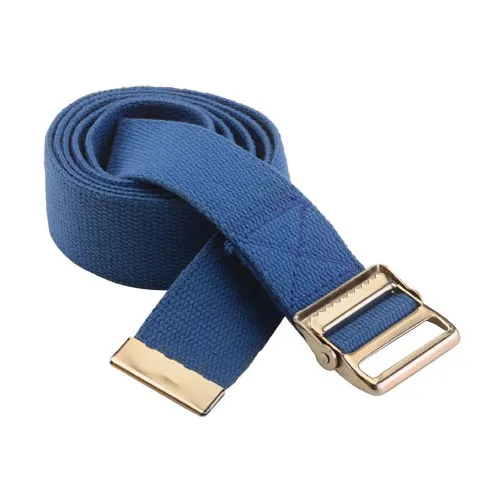
Gait Belt, patient Transfer Bel 52" Metal Buckle Blue & Stripes
1 product
Recommended products
Gait Belt, patient Transfer Bel 52" Metal Buckle Blue & Stripes
1 product
Gait Belt, patient Transfer Bel 52" Metal Buckle Blue & Stripes
Gait Belts help to reduce Caregiver back injuries. NOVA’s Gait Belts are made from durable machine washable cotton and available in 2 sizes and print options. They are secure with a metal buckle and safety-locking teeth. Safety first!A gait belt is considered an assistive device. It is used safely to transfer a person from a bed to a wheelchair and vice versa. It also assists with mobility in sitting, standing, and walking around a person lacking physical strength. During use, the bet is secured around a person's waist to allow a caregiver to grasp the belt to lift or move.
$11.00
View product