Blog How to Choose the Best Bed Rails for Seniors at Home
Last updated: May 9, 2026
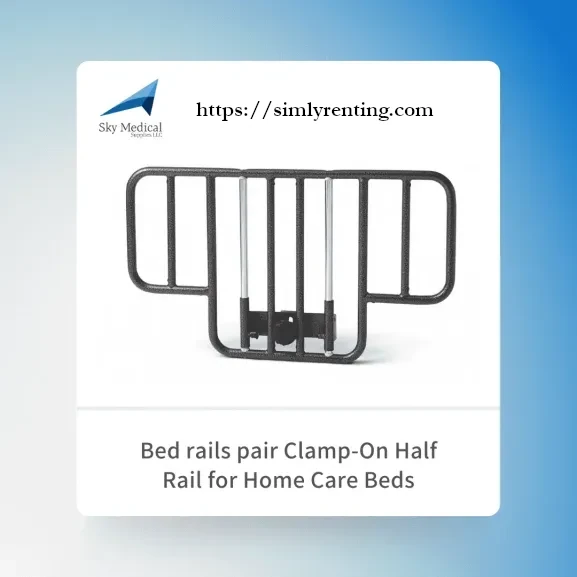
Getting in and out of bed is something most people rarely think about until it becomes difficult. For seniors, recovering patients, or individuals with limited mobility, even a simple movement at bedtime can become challenging. That is where bed rails can make a major difference.
The right bed rail provides stability, support, and added confidence during daily movements. It can help reduce the risk of falls, make repositioning easier, and support safer transfers in and out of bed. For caregivers, it can also make nighttime assistance less stressful and more manageable.
Today, there are many types of bed safety rails available for home use. Some are designed for extra support while standing, while others focus on fall prevention and overnight safety. Choosing the right option depends on the user’s mobility level, bed type, and daily needs.
This guide explains the different types of home bed rails, their benefits, and the most important things to consider before buying one.
What Is a Bed Rail?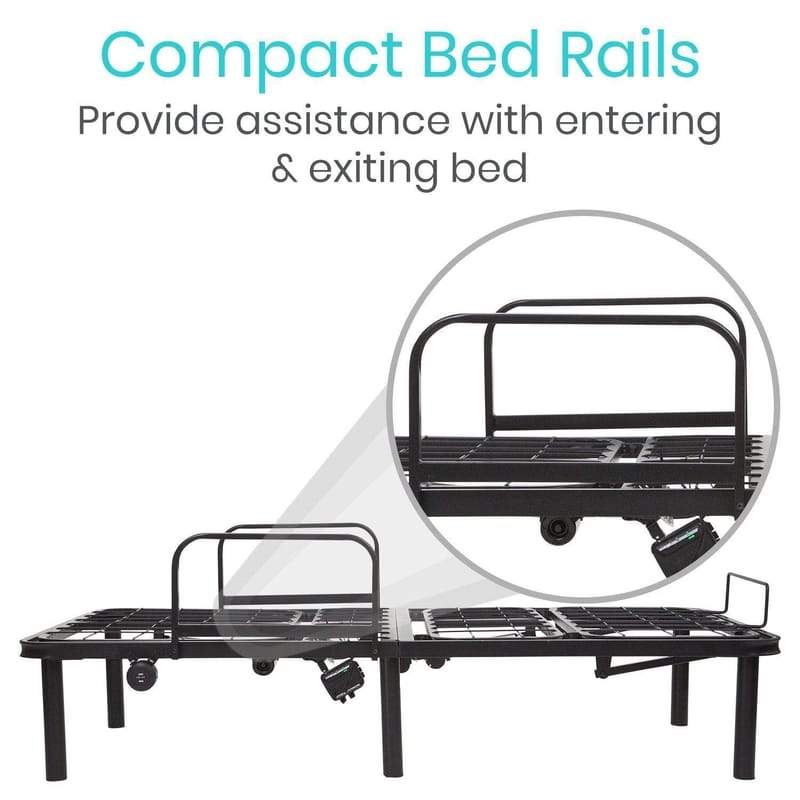
A bed rail is a support device attached to the side of a bed to improve safety and mobility. Often called bedside support rails or bed assist rails, these products are commonly used by seniors, recovering patients, and individuals who need extra stability while moving in bed.
Bed rails can help with:
- Getting in and out of bed
- Repositioning during sleep
- Preventing accidental rolling or falls
- Providing support while sitting or standing
Many modern bed rails also include features such as adjustable height settings, padded grips, storage pouches, and foldable designs for easier access.
For people aging at home, bed safety rails can provide a safer and more comfortable sleeping environment while supporting independence.
Who Can Benefit From Bed Rails?
Bed rails are commonly used by:
- Seniors with reduced mobility
- Individuals recovering from surgery or injury
- People with balance concerns
- Caregivers assisting loved ones at home
- Individuals who feel unstable while getting out of bed
For many users, the biggest benefit is confidence. Having a stable support nearby can make nighttime movements feel safer and less stressful.
Types of Bed Rails for Home Use
Not all bed rails are designed the same way. Choosing the right type depends on the user’s mobility level and the bed setup at home.
Leg-Supported Bed Rails
These rails typically have an L-shaped design with support legs that extend to the floor. They are known for offering strong stability and are often adjustable in both height and length.
They work well for individuals who need additional support while standing up from bed.
Under-Mattress Bed Rails
These bed assist rails slide beneath the mattress and are secured with safety straps. They are popular because they are simple to install and work well in many home settings.
Many compact models are ideal for smaller bedrooms or temporary recovery situations.
Fold-Down Bed Rails
Fold-down rails are designed for convenience. They can be lowered when not in use, making transfers and caregiver access easier.
These models are often preferred for individuals who need occasional support rather than full-time fall protection.
Adjustable Hospital Bed Rails
Some bed rails are specifically designed for adjustable home hospital beds. These rails attach directly to compatible bed frames and move along with the bed’s positioning system.
Before purchasing, it is important to confirm compatibility with the bed frame and mattress.
Benefits of Bed Rails for Seniors
One of the main reasons families choose bed rails for seniors is safety. Falls near the bed can lead to serious injuries, especially for older adults with limited strength or balance.
However, the benefits go beyond fall prevention.
The right bedside support rail can make everyday movements easier and more comfortable. Many users find they can reposition themselves in bed more easily and get up with greater confidence.
Bed rails may also help reduce caregiver strain by giving users more independence during transfers and nighttime movements.
Additional benefits include:
- Improved stability while sitting or standing
- Easier repositioning during sleep
- Added peace of mind for caregivers
- Better nighttime confidence
- Safer bed transfers
What to Look for When Buying a Bed Rail
Choosing the right bed rail involves more than simply picking the first option available online. Safety, compatibility, and ease of use all matter.
Weight Capacity
Always check the product’s weight limit before purchasing. A bed rail should provide stable support without shifting or loosening during use.
A properly rated rail improves safety and helps users feel more secure while transferring in and out of bed.
Bed Compatibility
Not every bed rail works with every mattress or bed frame. Some models require a box spring, while others work best with platform or adjustable beds.
Mattress thickness also matters. A poorly fitted rail may become unstable or create gaps that reduce safety.
Before buying, confirm compatibility with:
- Mattress size and thickness
- Adjustable bed frames
- Platform or standard beds
- Bed height
Rail Height and Length
Some users only need a small support handle for assistance when standing up. Others may need a longer rail for overnight safety and fall prevention.
A half-length rail is usually better for users who are still fairly mobile and want easier bed access. A full-length rail may provide better protection for individuals at higher risk of rolling out of bed.
Ease of Use
Some bed rails can be folded down or adjusted without caregiver assistance. Others require someone nearby to reposition them.
If the user lives alone or values independence, choosing an easy-to-operate model can make daily use much more convenient.
Stability and Installation
A bed rail should feel secure after installation. Models with safety straps, reinforced frames, and anti-slip components often provide better long-term stability.
Avoid rails that require climbing over them to exit the bed, as this can increase fall risk.
Common Mistakes to Avoid
One common mistake is choosing a bed rail based only on price. A lower-cost model may not provide the right level of support or compatibility for the user’s bed.
Another issue is selecting a rail that is too large or too restrictive for the user’s mobility level. Someone who simply needs help standing may not require a full-length rail.
It is also important to consider future needs. Mobility can change over time, so choosing an adjustable model often provides better long-term value.
Choosing the Right Bed Rail for Your Needs
The best bed rail is the one that matches the user’s daily routine, mobility level, and bed setup. Some people only need light support while getting out of bed, while others require stronger overnight protection and stability.
Taking the time to choose the right bedside support rail can improve comfort, confidence, and safety at home. It can also help seniors maintain independence longer while giving caregivers greater peace of mind.
For families exploring home safety equipment, bed rails are often one of the simplest upgrades that can make everyday life safer and more manageable.
Related Posts
Get weekly articles in your inbox on the latest medical supply news, exclusive deals, and helpful health tips.


 Recommended products
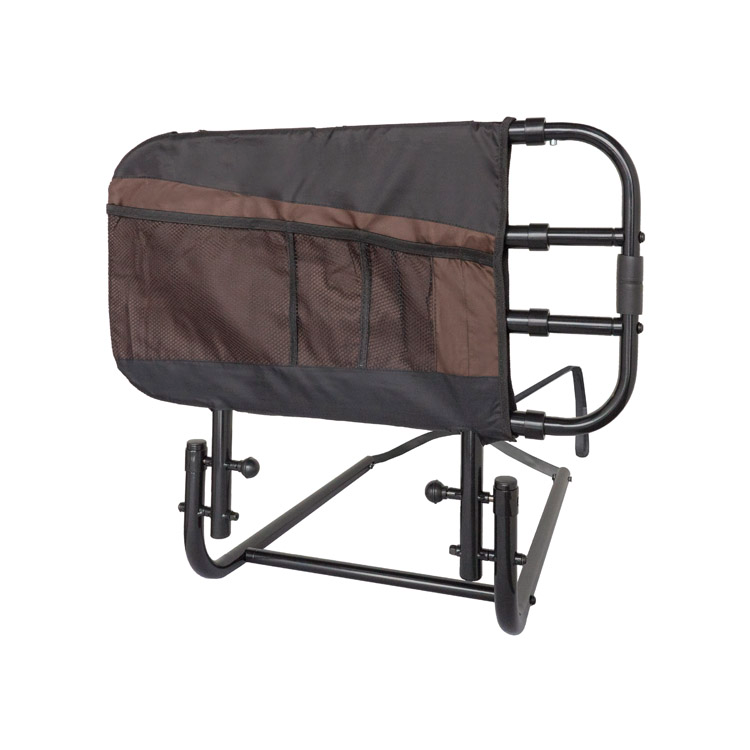
EZ Adjust Bed Rail Versatile Swings Down 180 Degrees Stander
1 product
Recommended products
EZ Adjust Bed Rail Versatile Swings Down 180 Degrees Stander
1 product
EZ Adjust Bed Rail Versatile Swings Down 180 Degrees Stander
Provide your loved one with the highest level of protection and comfort with the Stander EZ Adjust Bed Rail. This bed rail is designed specifically for seniors, giving them a sense of security as they are at their most vulnerable in the night. With its superior safety guardrail and sturdy standing assistance helping transfer out of bed, everyone can sleep peacefully knowing they or their loved one is protected through the night.The Most Versatile Bed Rail in the WorldThe EZ Adjust Bed Rail is the most versatile bed rail in the world thanks to its ability to extend in length. By pressing the spring-loaded pin, easily extend the rail from its base setting at 26″ to 34″ or 42″ in length to prevent nighttime falls out of bed.Use the bed rail as a safety handle for balance and support when transferring from bed to a walker, wheelchair, or bedside commode. The EZ Adjust Bed Rail supports 300 pounds.Railing Swings Down 180 DegreesRelease the two round knobs from their locked position in order to pivot the railing downward to the side of the bed to easily change the linens, make the bed, or care for a loved one in bed.To fully pivot the bed rail, ensure that there is at least 14″ of clearance between the floor and the bottom of your mattress.Compatible with Most Traditional Bed TypesThe EZ Adjust Bed Rail can be installed on most traditional bed types with mattresses 12″ to 16″ thick. This bed rail is not intended for use on adjustable beds or with extra soft mattresses.Slip the base tubes between the mattress and the box spring, platform, or slats and secure the rail to the bedframe with the included safety strap.
$109.99
View product