Blog Three Steps to Simplify Preparation for Foot or Ankle Surgery
Last updated: April 24, 2026
Foot or ankle surgery can feel overwhelming. Even simple movements like standing, walking, or using the bathroom suddenly require planning. That’s why preparation matters more than most people expect.
The smoother your setup before surgery, the easier your recovery will be after. From organizing your space to choosing the right mobility equipment, a few smart steps can make a big difference.
Let’s break it down into three simple steps you can follow.
Step 1: Prepare Before Surgery
Good preparation starts days before your procedure.
Begin with your doctor. Ask clear, practical questions. What should you expect in the first few days after surgery? What movements should you avoid? What kind of support or equipment will you need? Knowing these details early helps you avoid last-minute stress.
You may also need basic tests such as X-rays or heart monitoring, depending on your condition. Follow your doctor’s instructions carefully.
Medication is another key part. Some common drugs, like aspirin or ibuprofen, can increase bleeding risk. Others, like certain steroids, may slow healing. Your doctor will guide you on what to stop and when.
Lifestyle habits matter too. Nicotine, for example, can reduce blood flow and delay healing. Cutting it out before surgery can significantly improve recovery time.
Then comes one of the most overlooked steps—planning how you’ll move after surgery. If your procedure limits weight on your foot, you’ll need a reliable way to get around. This is where mobility equipment like crutches or a knee scooter becomes essential. It’s better to arrange this ahead of time rather than struggle after surgery.
Finally, follow fasting instructions closely. Most patients are advised to stop eating 6–8 hours before surgery. This is standard and helps avoid complications during the procedure.
Step 2: Set Up Your Recovery Space
The first few days after surgery are often the hardest. Even standing for a few minutes can feel exhausting. That’s why your environment needs to work for you—not against you.
Start with your space. A clean, organized area helps you rest without distractions. Keep everything you need within reach—phone, water, medications, and essentials.
Think about daily tasks. Cooking, cleaning, or even carrying items can become difficult. Preparing meals in advance saves you from unnecessary strain. Simple, ready-to-eat food can make your days much easier when mobility is limited.
If you live with family or have pets, plan ahead. Arrange help where needed. You may not be able to move around freely, especially in the early stages of recovery.
Work responsibilities should also be addressed before surgery. Speak with your employer and understand how much time you’ll need to recover. This removes pressure and lets you focus fully on healing.
Small adjustments in your space can have a big impact. For example, avoiding unnecessary trips across the house or reducing the need to climb stairs can prevent discomfort and risk.
Step 3: Use the Right Equipment for a Smoother Recovery
Recovery becomes much easier when you have the right support in place.
Mobility is usually the biggest challenge after foot or ankle surgery. Moving safely without putting pressure on the injured area is critical. This is where choosing the right equipment makes a real difference.
Crutches are a common option. They’re simple and widely used. But they can be tiring, especially if you need to use them for long periods.
A knee scooter, on the other hand, offers a more stable and comfortable alternative. Instead of relying on upper body strength, you can rest your leg and move more naturally. For many people, this reduces fatigue and makes daily movement easier. Renting a knee scooter is often a practical choice, especially for short-term recovery.
For less severe cases, orthopedic shoes can provide the support needed to walk safely again. They help stabilize your foot and reduce pressure during movement. This makes them useful not only after surgery but also during the later stages of recovery.
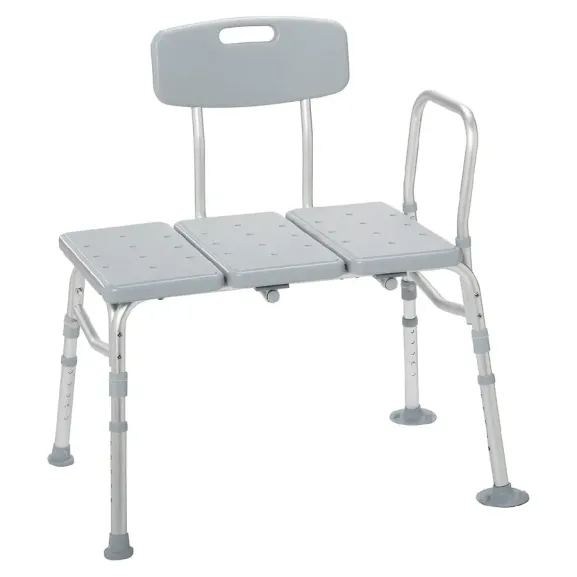
You may also benefit from simple additions like a raised toilet seat or a hand-held shower head. These adjustments reduce strain and make daily routines safer.
The goal is simple—reduce effort, increase safety, and support healing. The right equipment helps you do exactly that.
Conclusion
Foot or ankle surgery doesn’t just affect your health—it affects your daily life. But with the right preparation, you can avoid unnecessary stress and focus on recovery.
Plan ahead. Set up your space. Use equipment that supports your movement instead of limiting it.
Most importantly, don’t wait until after surgery to figure things out. Having everything ready beforehand can make your recovery smoother, safer, and far more comfortable.
If you’re preparing for surgery, getting the right mobility equipment early can make a real difference. Sky Medical Supplies offers a range of options designed to support you through every stage of recovery.
Related Posts
Get weekly articles in your inbox on the latest medical supply news, exclusive deals, and helpful health tips.