Blog Best Home Walkers for Seniors: Improve Mobility and Independence
Last updated: May 14, 2026
Losing confidence while walking can change everyday life in ways many people do not expect. Simple activities like getting out of bed, walking to the kitchen, or stepping outside for fresh air may suddenly feel tiring or unsafe. For seniors, recovering patients, and caregivers, the right walker can make daily movement more comfortable and less stressful.
A walker is more than just a mobility aid. It can help reduce the fear of falling, improve balance, and allow people to stay active longer. Whether someone is recovering from surgery, managing arthritis, or simply feeling less stable on their feet, choosing the right walking aid can make a noticeable difference in comfort and independence.
Today, there are many types of walkers designed for different needs and lifestyles. Some are lightweight and simple for indoor movement, while others include wheels and seats for longer walks outdoors. Understanding the options can help you choose a mobility solution that feels safe, supportive, and easy to use.
Understanding Different Types of Walkers
Not every walker works the same way. The best choice depends on the user’s balance, strength, daily routine, and living environment.
Standard Walkers
Standard walkers are designed without wheels and provide strong support for people who need maximum stability. They are often recommended for individuals recovering from surgery or those who struggle with balance. Because the walker must be lifted slightly with each step, it works best for slower movement indoors.
These walkers are especially useful for people who prioritize stability over speed.
Rollator Walkers
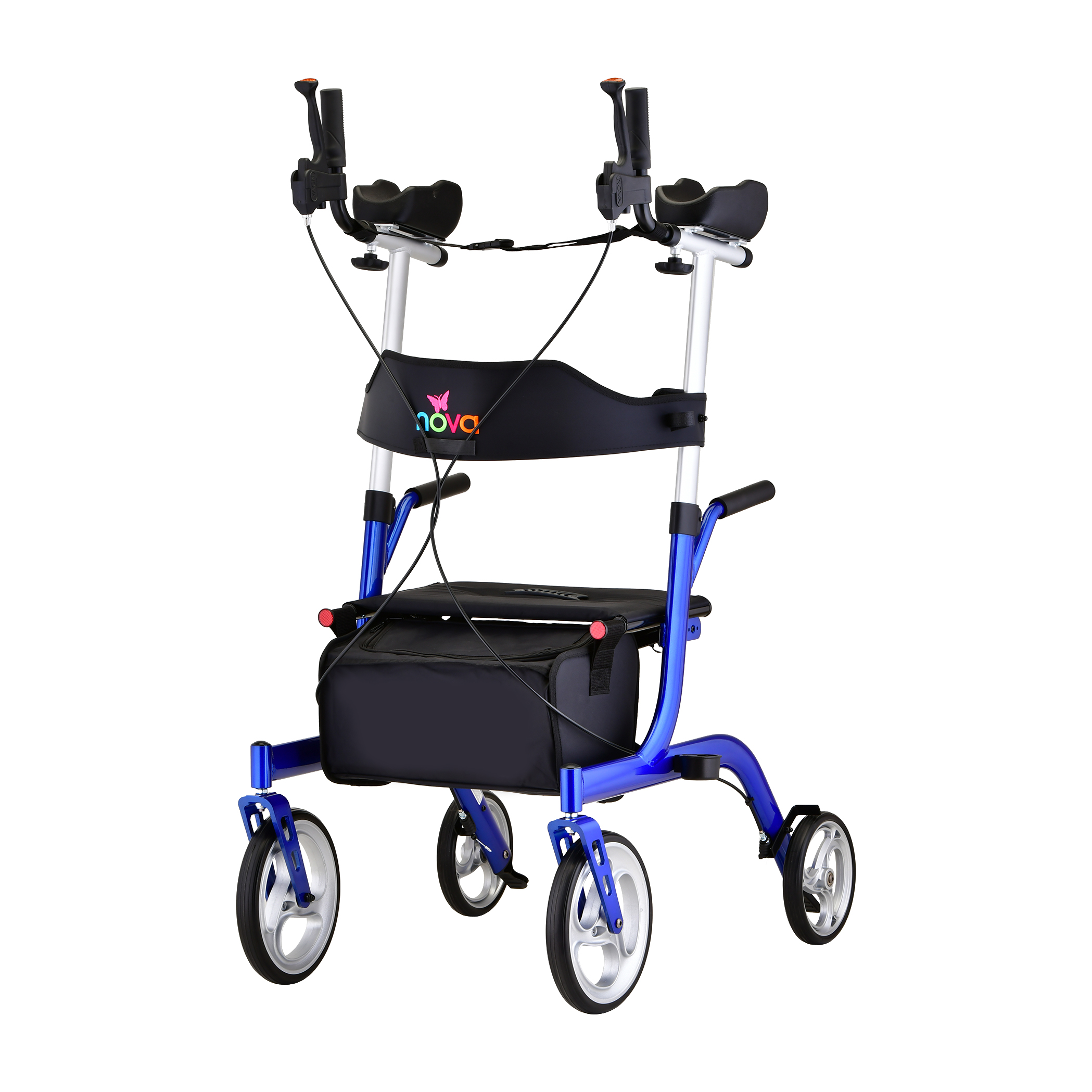
Rollators are one of the most popular mobility walkers for seniors because they are easier to maneuver and require less lifting. They usually come with wheels, hand brakes, a seat, and storage space.
A rollator walker can be a good option for seniors who still enjoy staying active outside the house or walking longer distances. The built-in seat also allows users to rest when needed, which can make outings feel less exhausting.
Many caregivers prefer rollators because they help seniors move more naturally while still providing support.
Hemi Walkers
Hemi walkers are designed for people who have strength on only one side of the body. They provide more support than a cane while remaining lighter and smaller than a standard walker.
These are commonly used after strokes or injuries affecting one side of the body.
Knee Walkers
For people recovering from foot or ankle injuries, knee walkers can offer a more comfortable alternative to crutches. Instead of placing weight on the injured foot, the user rests the knee on a padded platform while moving with the stronger leg.
They are especially helpful for maintaining mobility during recovery without putting unnecessary strain on the upper body.
How Walkers Improve Daily Life
Many people wait too long before using a walker because they see it as giving up independence. In reality, the opposite is often true.
The right mobility walker can help seniors continue doing everyday activities safely and comfortably. Walking to the bathroom at night, preparing meals, checking the mail, or spending time outdoors can all become easier with proper support.
For caregivers, walkers can also reduce stress. Watching a loved one struggle with balance or furniture-walking around the house can be worrying. A properly fitted walker helps create a safer environment and reduces the risk of falls.
Mobility support equipment can also encourage more movement throughout the day. Staying active helps maintain muscle strength, circulation, and confidence, all of which are important for long-term well-being.
Features to Look for When Choosing a Walker
Choosing the right walker involves more than simply picking the first model available. Comfort, safety, and ease of use all matter.
Adjustable height is one of the most important features. A walker that is too low can cause back strain, while one that is too high may reduce stability. The handles should align comfortably with the user’s wrists when standing upright.
Weight and portability also matter, especially for caregivers transporting equipment in a vehicle. Foldable walkers are easier to store and travel with.
If the walker will be used outdoors often, larger wheels can help improve maneuverability on uneven surfaces. For indoor use, compact models may work better in tighter hallways and rooms.
Some people also benefit from additional features like padded seats, storage pouches, or hand brakes. These small details can significantly improve comfort during daily use.
Choosing the Right Walker for Different Needs
Different health conditions often require different levels of support.
Someone with mild balance issues may feel comfortable using a lightweight rollator. A person recovering after hip surgery might need the added stability of a standard walker. Seniors with arthritis often prefer walkers with ergonomic handles because they reduce pressure on the hands and wrists.
Indoor lifestyle matters too. People living in smaller homes may need narrower walkers that can fit through doorways easily. Those who enjoy walks outside may benefit from models built for smoother outdoor movement.
It is also important to think ahead. A walker should support both current and future mobility needs whenever possible.
Consulting with a doctor or physical therapist can help determine the safest option for long-term comfort and mobility.
Common Walker Mistakes to Avoid
Even a high-quality walker may not help if it is used incorrectly.
One common mistake is choosing the wrong height. Poor sizing can affect posture and increase discomfort over time. Another issue is using worn-out rubber tips or brakes, which may create safety risks.
Some users also place too much weight on the walker or push it too far ahead while walking. Proper technique helps maintain balance and reduces strain.
Cluttered floors, loose rugs, and poor lighting can also create hazards at home. Pairing mobility aids with safer living spaces can greatly reduce the chance of falls.
In some cases, additional support products such as bathroom safety equipment or wheelchairs may help create a safer and more comfortable daily routine.
Tips for Using a Walker Safely
Using a walker safely takes practice, especially during the first few days.
Users should move slowly and keep both hands on the walker while walking. Good posture also matters. Standing upright instead of leaning too far forward helps improve stability and comfort.
Supportive, non-slip footwear can reduce slipping risks indoors and outdoors. It is also important to avoid carrying heavy items while walking unless the walker includes a secure storage basket or pouch.
For seniors who experience fatigue during longer outings, a walker with a built-in seat can provide convenient resting opportunities without needing to search for nearby seating.
Staying Active with the Right Mobility Support
Mobility challenges do not automatically mean giving up independence. Many seniors continue enjoying everyday activities, family visits, shopping trips, and outdoor walks with the help of the right walking aid.
The key is choosing equipment that matches individual needs while supporting comfort and confidence. A properly selected walker can make movement safer, encourage daily activity, and reduce the stress that often comes with balance concerns.
For caregivers and families, finding the right mobility solution can also provide peace of mind. Sometimes small changes in support can have a meaningful impact on daily quality of life.
Whether someone needs temporary help during recovery or long-term mobility support, the right walker can help make everyday movement feel safer and more manageable again.
Get weekly articles in your inbox on the latest medical supply news, exclusive deals, and helpful health tips.
 Recommended products
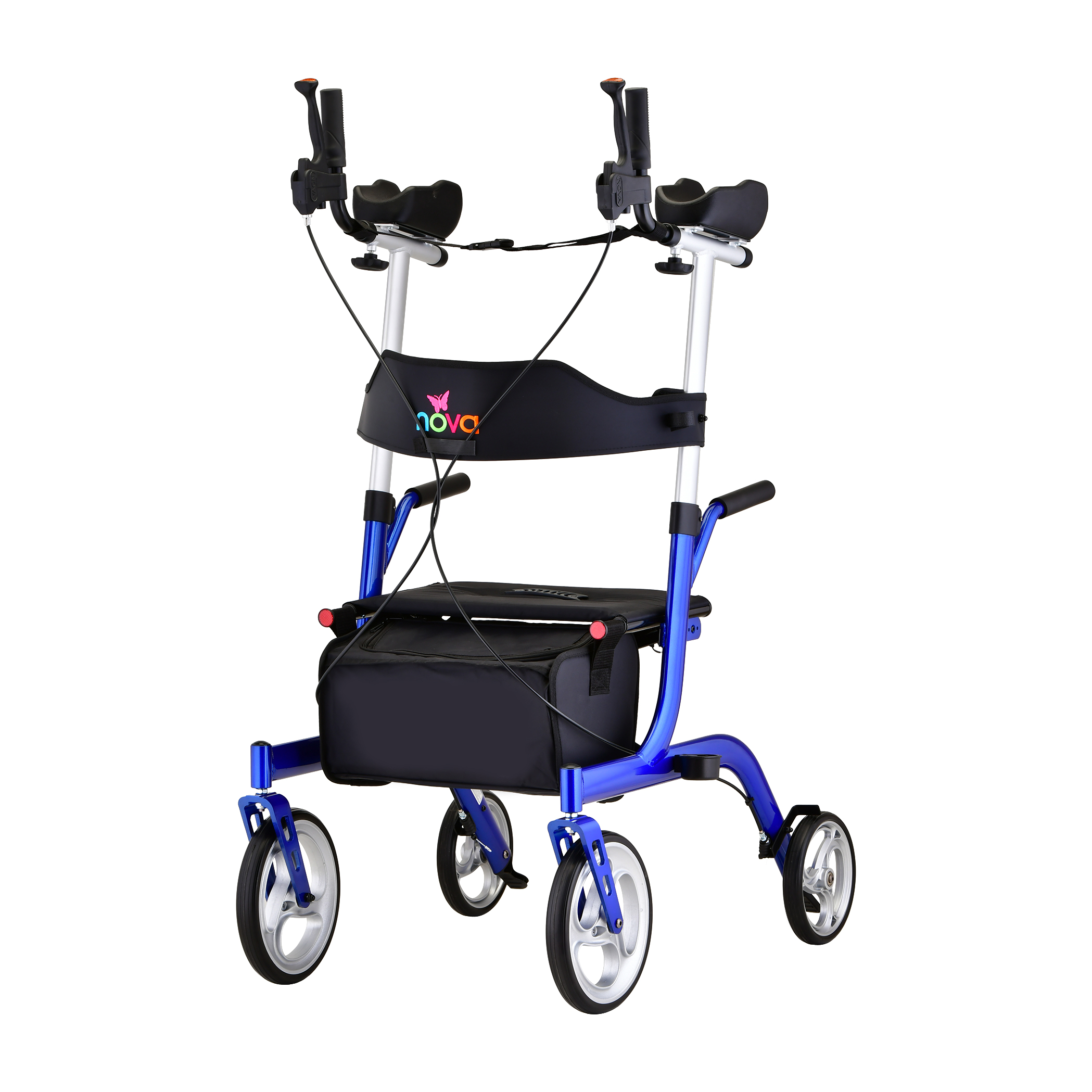
PHOENIX RISE UP ROLLATOR BLUE FOLDABLE, LIGHTWEIGHT NOVA
1 product
Recommended products
PHOENIX RISE UP ROLLATOR BLUE FOLDABLE, LIGHTWEIGHT NOVA
1 product
PHOENIX RISE UP ROLLATOR BLUE FOLDABLE, LIGHTWEIGHT NOVA
We love the new Phoenix Rise UP Rollator because it gives your body the vehicle to Rise Up & Look Forward. The unique design makes walking happen … with an upright forward looking posture, optimum control and stability and much reduced body strain and fatigue. And, when walking happens … you can Rise Up & Look Forward to just about anything. ACCESSORY OPTIONS: Cup Holder (CH-1101) Designer Mobility Bags
$359.00
View product