Blog 3-Wheel vs. 4-Wheel Mobility Scooter: Which One Is Right for You?
Last updated: June 1, 2026
Picking a mobility scooter can feel like a bigger decision than it should be, especially when you hit the 3-wheel vs. 4-wheel question. There's no single right answer, and the people who tell you otherwise are probably oversimplifying it.
What it really comes down to is where you'll use it most and what your day actually looks like.
Some people need a scooter mainly for getting around the house or running errands. Others need something they can rely on outdoors, on sidewalks, or across varied terrain throughout the day. Both 3-wheel and 4-wheel scooters can serve those needs well. The trick is knowing which one fits your situation.
This guide breaks down the real differences so you can make a more confident choice.
What’s the Difference Between a 3-Wheel and 4-Wheel Mobility Scooter?
The core difference between a 3-wheel and 4-wheel mobility scooter is maneuverability vs. stability.
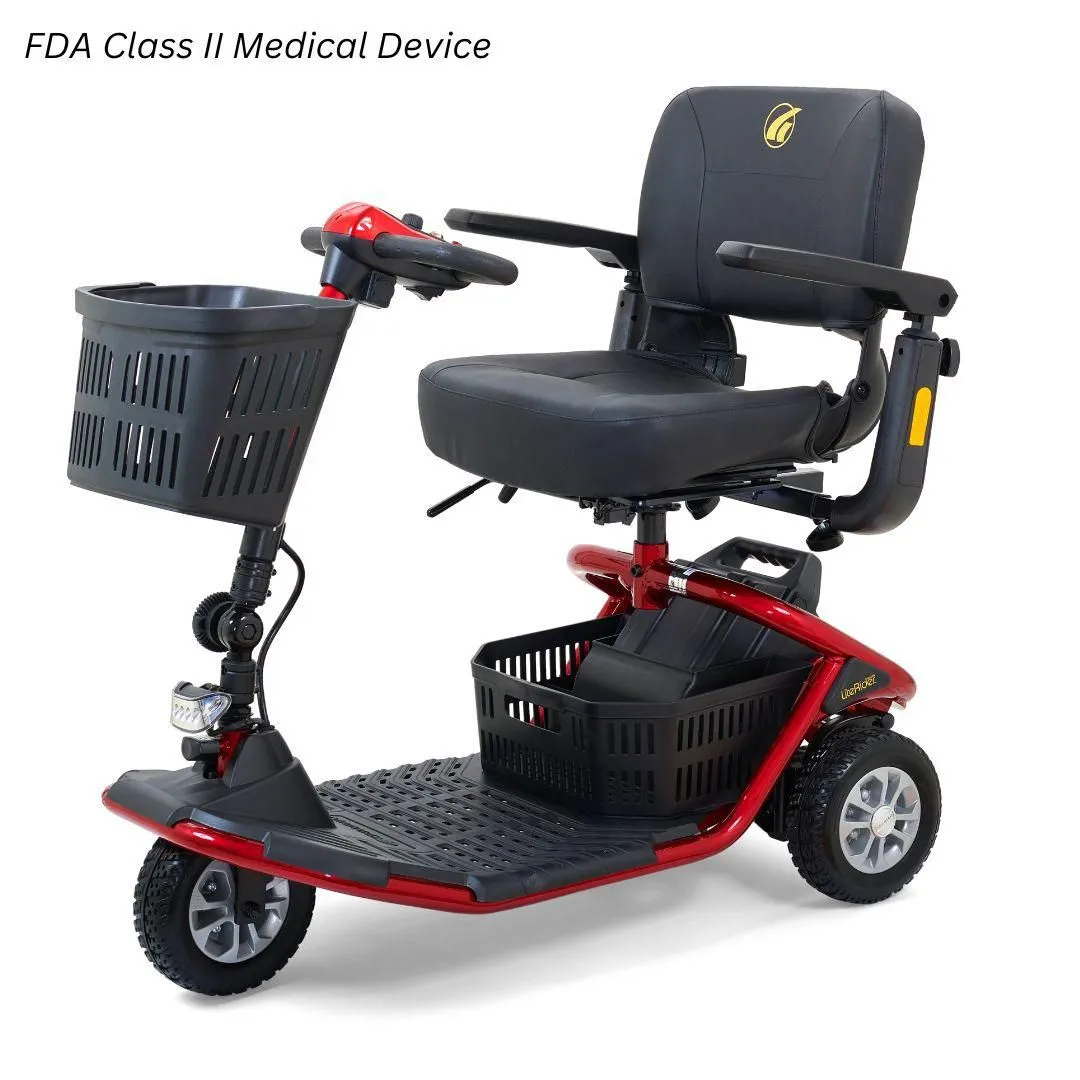
A 3-wheel scooter has one wheel up front and two in the back. That design creates a tighter turning radius, which makes it easier to move through smaller spaces without constantly adjusting your path.
A 4-wheel scooter has two wheels in front and two in back, the same layout as a car. That extra contact point with the ground gives you a more stable, planted ride, particularly when the terrain isn't perfectly smooth.
Neither one wins across the board. It depends entirely on the person using it and where they spend most of their time.
Benefits of a 3-Wheel Mobility Scooter
For a lot of people, a 3-wheel scooter just feels easier to live with indoors.
Easier to Turn in Tight Spaces
The biggest practical advantage is how it turns. A 3-wheel scooter can make sharper turns, which matters more than people expect once you're actually navigating your home, a grocery store aisle, or a crowded mall corridor.
If most of your scooter time happens inside, whether that's at home, at appointments, or in stores, a 3-wheel model tends to feel less cumbersome. Fewer corrections, less backing up, less frustration in narrow spots.
More Room for Your Legs
Without a second front wheel eating into the footwell, 3-wheel scooters typically offer more open legroom. That's a real benefit if you're tall, if your knees are stiff, or if you just find a cramped seating position uncomfortable over time.
Small comfort differences add up when you're using something every day.
Lightweight and Easier to Transport
Many travel-friendly and foldable scooter models use a 3-wheel design because they tend to be lighter and easier to disassemble. If you regularly load your scooter into a car trunk for family outings, doctor visits, or day trips, that weight difference is worth factoring in.
Portability isn't everything, but for people who are always on the go, it matters quite a bit.
Where 3-Wheel Scooters Fall Short
Outdoors, the single front wheel starts to show its limits. Grass, gravel, cracked sidewalks, and uneven curb cuts can feel less comfortable and less secure on a 3-wheel frame.
If maintaining your balance is something you think about, or if you spend significant time on rough or unpredictable surfaces, a 3-wheel scooter may not give you the confidence you need. The stability just isn't there the way it is with four wheels.
Benefits of a 4-Wheel Mobility Scooter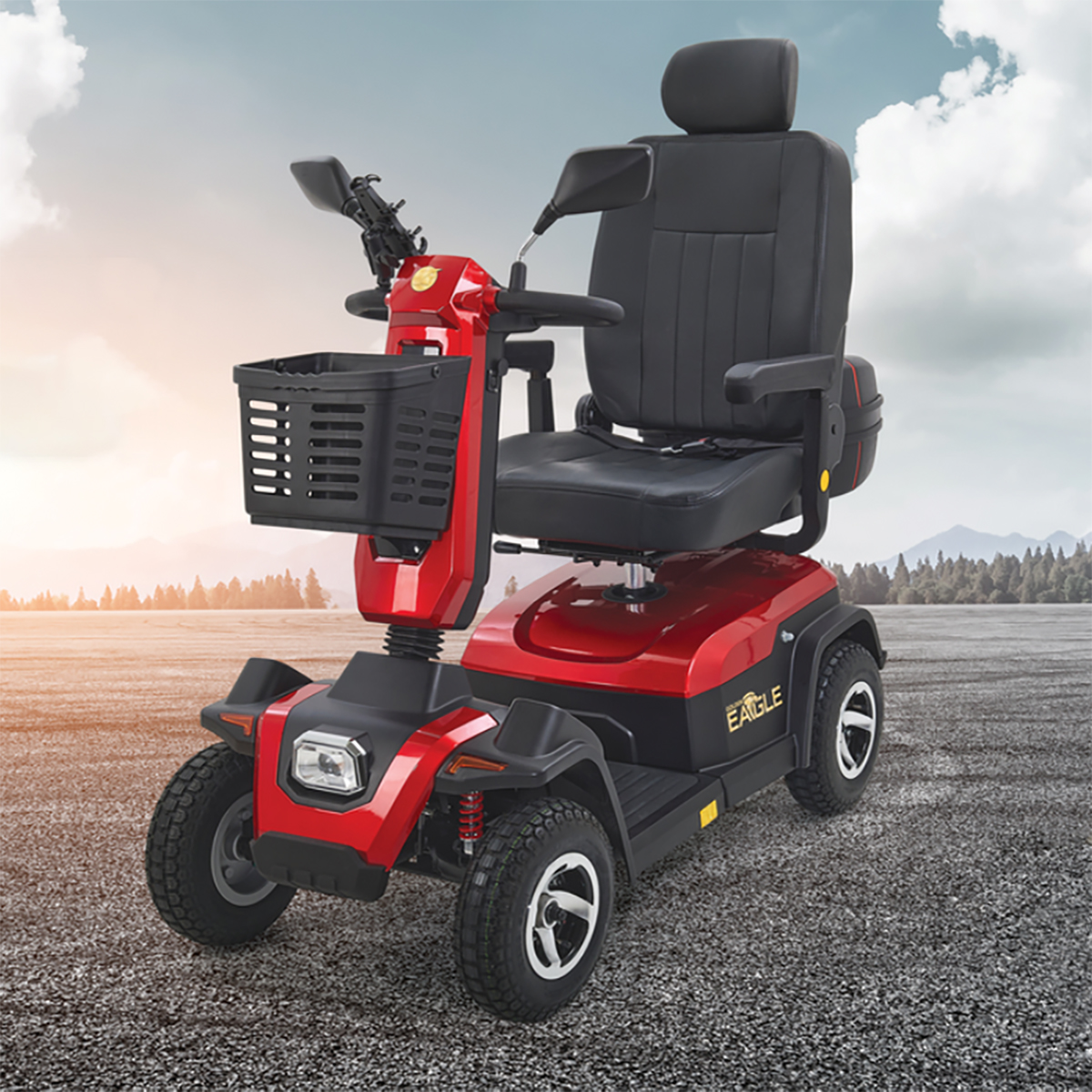
If you spend a lot of time outside or want a scooter you can rely on in varied conditions, a 4-wheel model usually makes more sense.
More Stable on Any Surface
Because the weight is distributed across four contact points instead of three, a 4-wheel scooter holds its footing better. For seniors or anyone who feels unsteady, that extra security isn't just a nice feature. It can genuinely change how confidently you move around.
4-wheel models also tend to support higher weight capacities, which is worth checking if that applies to your situation.
Better for Outdoor Use
Uneven sidewalks, parking lots, mild grass, curb transitions, the kind of terrain you encounter on a normal day outside, a 4-wheel scooter manages all of it better than most 3-wheel models. If you like spending time outdoors or regularly move between different types of surfaces, you'll probably notice the difference pretty quickly.
Built for Longer Daily Use
Many 4-wheel scooters are designed with heavier daily use in mind. They often carry larger batteries, which means more range between charges. If you're using your scooter throughout most of the day rather than just for short trips, that extra capacity can matter.
Where 4-Wheel Scooters Fall Short
The added stability comes with a wider footprint, and indoors, that can become a real inconvenience. Tighter hallways, small bathrooms, and furniture-filled rooms can all feel harder to navigate. What's easy outside can turn into a series of small frustrations inside.
Weight is the other tradeoff. Some 4-wheel models are heavier, which makes loading and unloading from a vehicle more physically demanding. If transportation is a regular part of how you use your scooter, it's worth checking the specs before you decide.
So Which One Is Right for You?
A 3-wheel scooter tends to be the better fit if:
- You use your scooter mostly indoors
- You need to navigate tight turns and smaller spaces
- Legroom and comfort are priorities
- You want something easier to transport
A 4-wheel scooter tends to make more sense if:
- You spend a lot of time outdoors
- Stability and security matter to you
- You're on rough or uneven terrain regularly
- You use your scooter heavily throughout the day
The right choice is the one that matches how you actually live, not just how you imagine you might use it.
Try Before You Decide
If you're still on the fence, renting before buying is genuinely one of the smarter moves you can make.
It's easy to think you know what you need until you try it in your actual home, on your usual routes, in the places you go every week. Some people expect to need a 4-wheel scooter and find a lighter 3-wheel model handles everything they throw at it. Others feel noticeably more secure on four wheels and are glad they didn't compromise on that.
Testing first removes a lot of the guesswork and helps you avoid ending up with something that doesn't quite fit.
Final Thoughts
Choosing between a 3-wheel and 4-wheel mobility scooter doesn't need to feel overwhelming. Focus on where you'll use it most and what kind of terrain you'll encounter.
If indoor maneuverability, portability, and comfort are your priorities, a 3-wheel scooter is probably the right call. If you want more stability and spend meaningful time outside, four wheels will likely serve you better.
Still have questions? Our team is happy to walk you through the options and help you find something that actually fits your life. You can also browse our mobility scooter inventory or try renting one first to get a feel for what works.
Related Posts
Get weekly articles in your inbox on the latest medical supply news, exclusive deals, and helpful health tips.

 Recommended products
LiteRider 3 Wheel Scooter
2 products
Recommended products
LiteRider 3 Wheel Scooter
2 products
LiteRider 3 Wheel Scooter
The LiteRider™ three-wheel scooter features up to a 12-mile range, a Delta Tiller standard, more attractive styling, and more vibrant colors. A modern tubular frame design supports its 300 lb. weight capacity and its completely wireless disassembly makes transporting a breeze. This mobility scooter’s 9-inch, black low-profile tires are mounted on high-strength steel rims.
$1,999.00
View product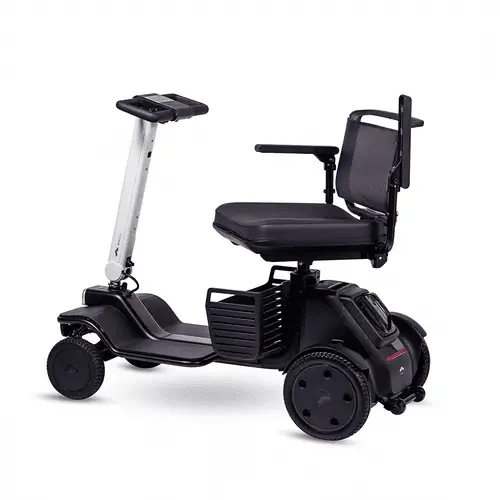
Whill Model R 4-Wheel Urban Mobility Scooter
The Whill R4 is a next-generation mobility scooter engineered for urban users who demand a high level of maneuverability, stability, and portability. Combining advanced motor technology with smart connectivity and a sleek design, the R4 is tailored for both indoor and outdoor use in crowded urban environments and on uneven terrain. Its design reflects a commitment to safety, comfort, and ease of transportation.
$2,999.00
View product