Blog Effortless Movement: A Guide to Compression Hose for Women
Last updated: March 5, 2026
Compression hose are specially designed stockings that gently support the legs and improve blood circulation. Many women wear them to reduce swelling, relieve tired legs, and support overall leg health.
They work using graduated compression. This means the pressure is strongest around the ankle and gradually decreases as the stocking moves up the leg. That gentle pressure helps push blood upward toward the heart instead of letting it pool in the lower legs.
Poor circulation in the legs can lead to swelling, discomfort, and long-term vein problems. Compression hose help reduce these issues by keeping blood moving efficiently.
Women who spend long hours standing or sitting often benefit the most. Pregnant women, travelers, office workers, and people recovering from surgery may also find them helpful.
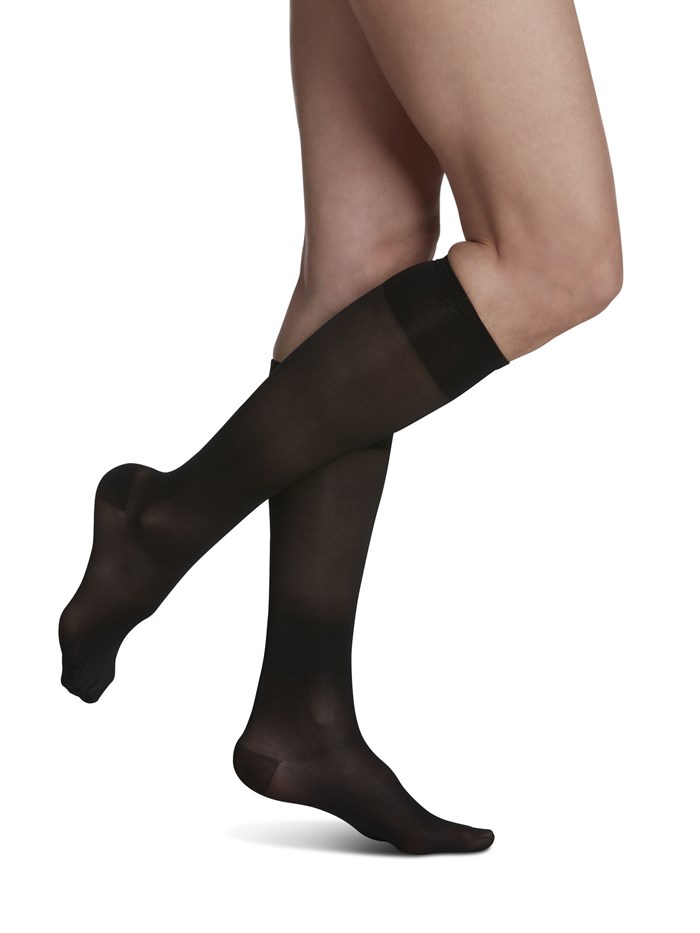
Compression hose come in several styles, including knee-high, thigh-high, and pantyhose designs. They also come in different compression levels and materials, allowing women to choose an option that fits both their medical needs and daily lifestyle.
Let’s look at why so many women rely on compression hose for comfort and support.
Benefits of Wearing Compression Hose
Compression hose offer more than just comfort. They support circulation and help prevent several common leg problems.
Reduces Swelling and Leg Fatigue
Many women experience swelling in the feet and ankles after a long day. This often happens when fluid collects in the lower legs.
Compression hose apply gentle pressure that helps move this fluid back into circulation. As a result, legs feel lighter, less swollen, and more comfortable.
Women who work long shifts, such as nurses, teachers, and retail workers, often notice a significant difference when wearing compression hose regularly.
Relieves Pain and Soreness
Tired, aching legs are a common complaint, especially after standing or walking for long periods. Compression hose support the muscles and veins in the legs, which can reduce that heavy or sore feeling.
They are also commonly used by people who exercise. Athletes and active individuals sometimes wear compression stockings to support muscle recovery and reduce post-exercise soreness.
Supports Healthy Circulation
Healthy blood circulation is essential for overall leg health. When circulation slows down, blood can pool in the veins. Over time, this can lead to conditions such as varicose veins or chronic leg swelling.
Compression hose help prevent this by supporting the veins and encouraging blood to move upward toward the heart.
May Help Prevent Blood Clots
Doctors sometimes recommend compression stockings for people who are at risk of deep vein thrombosis (DVT), especially after surgery or during long periods of travel.
The gentle pressure helps keep blood moving and reduces the chance of clot formation in the legs.
Comfortable and Stylish Options
Years ago, compression hose were mainly medical products. Today, they are available in many styles, fabrics, and colors.
Modern designs look similar to regular stockings or socks. This makes them easy to wear at work, during exercise, or even with everyday clothing.
Choosing the Right Compression Hose for Women
Not all compression hose are the same. Choosing the right pair makes a big difference in comfort and effectiveness.
Several factors should be considered before purchasing.
Understanding Compression Levels
Compression stockings are available in different pressure levels, usually measured in millimeters of mercury (mmHg).
Lower levels provide mild support, while higher levels provide stronger medical compression.
Common compression levels include:
- 15–20 mmHg: Mild support for tired or mildly swollen legs
- 20–30 mmHg: Moderate support often recommended for varicose veins or moderate swelling
- 30–40 mmHg: Firm compression typically prescribed by a doctor
Women with medical conditions should speak with a healthcare professional before choosing stronger compression levels.
Getting the Right Fit
Proper fit is essential. Compression hose that are too tight may feel uncomfortable, while ones that are too loose will not provide the needed support.
To find the correct size, measurements are usually taken around:
- the ankle
- the calf
- sometimes the thigh
- leg length
Most manufacturers provide sizing charts to help determine the right fit.
Choosing the Right Material
Compression hose are made from materials that combine stretch and durability. Common materials include nylon, spandex, and cotton blends.
Nylon and spandex are popular because they provide strong elasticity and long-lasting compression. Cotton blends may feel softer and more breathable for everyday wear.
The best material often depends on comfort preferences and daily activity levels.
Selecting the Right Style
Women can choose from several styles depending on their needs.
Knee-high compression hose are the most common. They work well for people who mainly experience swelling in the lower legs and ankles.
Thigh-high stockings provide additional support for the upper legs and are often recommended for vein conditions.
Pantyhose compression stockings provide full leg support and are sometimes preferred for pregnancy or extended standing.
Choosing a style that feels comfortable and fits your daily routine makes it easier to wear them consistently.
Tips for Wearing Compression Hose
Wearing compression hose correctly helps you get the most benefit from them.
A simple routine can make them easier to use and more comfortable throughout the day.
It is best to put them on in the morning. At this time, leg swelling is usually minimal, which makes the stockings easier to apply and more effective.
Some people find it helpful to apply a small amount of lotion to the legs before wearing them. This can reduce friction and make the stockings easier to slide on. However, the skin should not be overly moist.
Compression hose should also be washed regularly to maintain their elasticity and hygiene. Hand washing or gentle machine cycles usually work best.
Even though compression stockings provide support, they should not replace movement. Regular walking and stretching help maintain healthy circulation.
Combining compression stockings with an active lifestyle provides the best results.
FAQs About Compression Hose
Who should wear compression hose?
Many women benefit from wearing compression hose. They are especially helpful for those who stand or sit for long periods, travel frequently, experience leg swelling, or are pregnant.
Doctors may also recommend them for certain circulation problems.
How long can compression hose be worn?
Most people wear compression hose during the day and remove them before going to bed. Wearing them during waking hours provides circulation support when it is needed most.
Can you wear compression hose at night?
In most cases, compression stockings are not worn during sleep unless a doctor recommends it. Removing them at night allows the skin to rest.
Do compression hose really work?
Yes. Studies and clinical experience show that compression stockings can reduce swelling, improve circulation, and relieve leg discomfort when used properly.
Conclusion
Compression hose can make everyday movement easier and more comfortable for many women. By improving circulation and reducing swelling, they support healthier legs and help prevent common vein problems.
They are especially helpful for women who stand for long hours, travel frequently, or experience leg fatigue.
Choosing the right compression level, size, and style ensures the best results. When worn consistently and combined with an active lifestyle, compression hose can provide lasting comfort and support.
For many women, they are a simple but powerful way to keep legs feeling light, energized, and ready for the day.
Related Posts
Get weekly articles in your inbox on the latest medical supply news, exclusive deals, and helpful health tips.