Blog How to Choose the Right Bedside Commode for Home Use
Last updated: March 26, 2026
Welcome to your complete guide to choosing a bedside commode for home use. If you’re caring for a loved one, recovering from surgery, or dealing with limited mobility, this simple piece of home medical equipment can make a big difference.
A bedside commode is more than just a convenience. It brings comfort, safety, and independence right into the home. Instead of struggling to reach the bathroom, users can manage their needs safely and with dignity.
Before you choose one, it helps to understand the different types, features, and what actually matters for daily use.
Who Needs a Bedside Commode at Home?
A bedside commode is helpful in many real-life situations.
You might need one if:
- You or a loved one is recovering after surgery
- Walking long distances to the bathroom feels unsafe
- There is a risk of falls, especially at night
- You are caring for an elderly family member at home
For caregivers, it reduces stress. For users, it restores a sense of independence. That balance matters more than most people expect.
Types of Bedside Commodes
Choosing the right type depends on the user’s mobility and weight needs.
Standard bedside commode
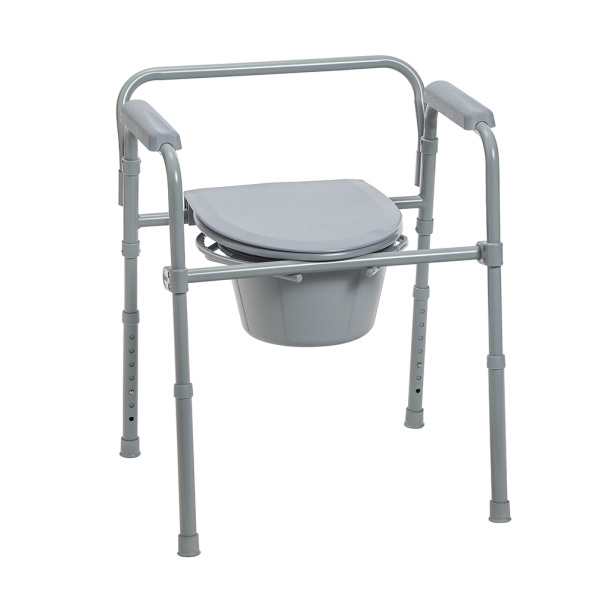
This is the most common option. It works well for basic support and can be placed next to the bed or over a toilet. It usually includes armrests and a backrest for stability. Most support up to around 250 lbs.
Heavy-duty bedside commode
Built with stronger frames, these are designed for higher weight capacities. They provide extra stability and are ideal for users who need more support.
Drop-arm bedside commode
This type is especially helpful for users who transfer from a wheelchair or bed. The arms swing down, making side transfers much easier and safer.
Bariatric bedside commode
These offer a wider seat and reinforced frame. They are designed for comfort and durability for larger users who need more space.
The right choice depends on the user’s daily routine, strength, and comfort level.
Key Features to Look For
Not all commodes are the same. A few features can make a big difference in everyday use.
Height adjustability is important. It helps users sit and stand comfortably without straining their knees or back.
Weight capacity should always match the user’s needs. A stable commode reduces the risk of tipping or accidents.
Armrests provide support when sitting down or getting up. For many users, this feature alone improves safety.
Ease of cleaning is often overlooked. A removable bucket and smooth surfaces make daily maintenance much easier.
If possible, choose a model that is simple to assemble and doesn’t require constant adjustments.
How to Choose Based on Your Situation
The “best” commode depends on the situation.
If someone is recovering from surgery, comfort and easy access matter most. A padded seat and stable frame can make daily use less stressful.
For elderly users, safety comes first. Look for strong armrests, non-slip feet, and proper height adjustment.
If the user has limited mobility or uses a wheelchair, a drop-arm commode is often the most practical choice.
Think about where it will be used. A bedroom setup may need a lightweight, portable option, while a bathroom setup might work better with a commode that fits over the toilet.
Should You Rent or Buy a Bedside Commode?
This depends on how long you need it.
If the need is short-term, such as post-surgery recovery, renting can be a simple and cost-effective option.
If the commode will be used daily for a long time, buying is usually the better choice. It allows you to choose exactly what fits your needs and ensures consistent comfort.
If you’re unsure, you can explore available options here:
👉 https://simplyrenting.com/product-category/bathroom
Simple Tips for Safe Use
A few small habits can make a big difference.
Always place the commode on a flat, stable surface.
Keep it within easy reach, especially at night.
Clean it regularly to maintain hygiene and avoid odors.
These simple steps help keep both the user and caregiver comfortable.
Common Mistakes to Avoid
Many people choose a commode too quickly. That often leads to discomfort later.
One common mistake is ignoring weight capacity. Another is choosing the wrong height, which makes sitting and standing harder.
Some also overlook ease of cleaning. Over time, this becomes frustrating.
Taking a few extra minutes to choose the right model can prevent all of these issues.
Comfort and Durability Matter
Comfort should never be an afterthought. A padded seat can make daily use much easier, especially for extended periods.
Durability is just as important. Steel frames and high-quality materials ensure the commode lasts longer and stays stable.
Optional features like backrests and wider seats can add even more comfort, depending on the user’s needs.
Final Thoughts
Choosing the right bedside commode for home use can completely change daily life. It improves safety, reduces stress, and gives users more independence.
Take time to understand your needs. Focus on comfort, stability, and ease of use. When you get those right, everything else becomes easier.
If you’re exploring options, look for a commode that fits naturally into your home setup and supports both the user and the caregiver.
Related Posts
Get weekly articles in your inbox on the latest medical supply news, exclusive deals, and helpful health tips.