Blog Top Uses of a TENS Unit for Pain Relief (And When You Need One)
Last updated: April 20, 2026
Pain can make even simple daily activities feel exhausting. Whether it’s back pain, joint stiffness, or nerve discomfort, finding relief that’s both effective and easy to use matters.
That’s where a TENS unit comes in.
A TENS unit is a small, portable device designed to help manage pain without medication. It’s simple to use, works quickly, and fits easily into your daily routine. For many people, it becomes a reliable part of their pain management setup.
Let’s break down how it works, when to use it, and why it can be a practical solution.
What Is a TENS Unit?
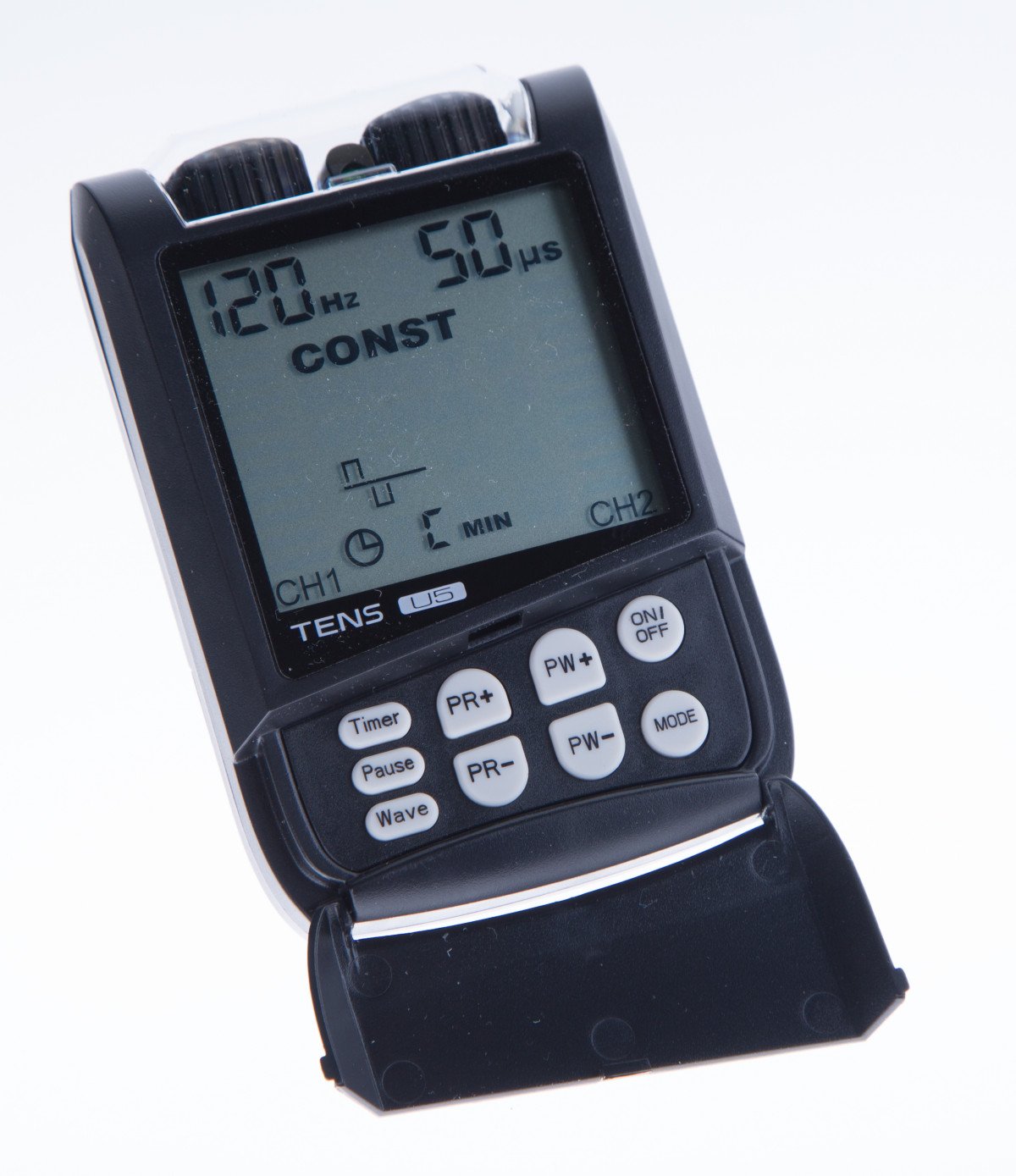
TENS stands for Transcutaneous Electrical Nerve Stimulation.
It uses low-voltage electrical currents to stimulate nerves through the skin. These gentle pulses help reduce how pain signals are sent to the brain.
Instead of treating the root cause, a TENS unit focuses on relieving the feeling of pain. That’s why it’s often used alongside other treatments or recovery plans.
How a TENS Unit Works
A TENS unit sends electrical pulses through electrodes placed on the skin. These pulses interact with your nerves in two key ways:
- They block or reduce pain signals traveling to the brain
- They may trigger the release of endorphins, your body’s natural pain relievers
In simple terms, it changes how your body processes pain.
You’ll usually feel a mild tingling sensation. It should feel strong but comfortable—not painful.
Most Common Uses of a TENS Unit
A TENS unit is widely used for different types of pain, especially when ongoing discomfort affects mobility or daily life.
Chronic Back and Joint Pain
This is one of the most common uses. If you deal with long-term lower back pain, arthritis, or knee discomfort, a TENS unit can help you stay active with less pain.
Sciatica and Nerve Pain
Sharp, shooting pain from sciatica can be difficult to manage. A TENS unit helps calm these nerve signals, making movement easier.
Post-Surgery Recovery
After surgery, pain can slow down recovery. A TENS unit offers a non-invasive way to stay comfortable during the healing process.
Muscle Soreness and Inflammation
Whether from strain or overuse, muscle pain responds well to electrical stimulation. It helps relax tight areas and reduce discomfort.
Labor Pain (Early Stages)
Some people use TENS units during early labor for additional comfort before moving to other options.
Who Should Consider a TENS Unit
A TENS unit is a practical option if pain is affecting your daily routine.
You may benefit from it if:
- You’re recovering from surgery or injury
- You live with chronic pain like arthritis or back pain
- You want a drug-free way to manage discomfort
- You need a portable solution you can use throughout the day
It’s especially useful for people who prefer managing pain in a more flexible and independent way.
Why a TENS Unit Is a Practical Pain Relief Solution
One of the biggest advantages of a TENS unit is how easy it is to use.
It’s small, lightweight, and doesn’t require complicated setup. You can use it while sitting, resting, or even doing light activities.
Unlike many pain relief options, it doesn’t rely on medication. That makes it a good choice for long-term use when managed properly.
For many people, it becomes part of a simple daily routine—turn it on, adjust the intensity, and get relief when needed.
Precautions You Should Know
TENS units are generally safe, but proper use matters.
Avoid using the device:
- Directly over the chest or near the heart
- On the head or front of the neck
- Near implanted electronic devices
- If you have certain heart conditions
- On areas where you don’t understand the cause of pain
Also, do not use the device while driving, bathing, or operating machinery.
If you’re unsure, it’s always best to speak with a healthcare professional before starting.
How to Set Up a TENS Unit
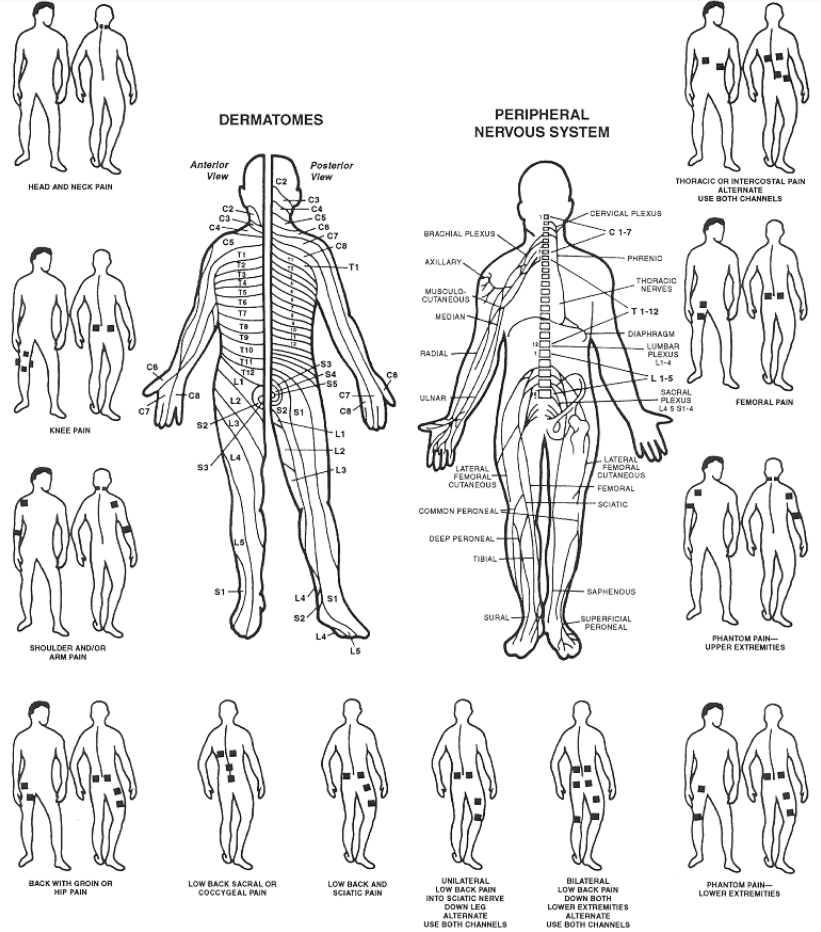
Setting up a TENS unit is simple and only takes a few minutes.
Start by inserting the battery and connecting the lead wires. Then attach the electrodes to the wires.
Place the electrodes on clean, dry skin near the painful area. For smaller areas, use two electrodes. For larger areas like the back, four electrodes can provide better coverage.
Make sure the pain area sits between the electrodes for the best results.
How to Use It Properly
Turn the device on at a low setting first. Slowly increase the intensity until you feel a strong but comfortable tingling.
If it becomes uncomfortable, reduce the intensity slightly.
After your session, turn the unit off and gently remove the electrodes.
Consistency matters more than intensity. Regular use tends to give better results.
How Long Should You Use a TENS Unit?
Most people use a TENS unit for 30 to 60 minutes per session, up to a few times a day.
Relief can last for several hours after each session.
It’s not recommended to use the device continuously all day. Give your body breaks between sessions for the best effect.
When a TENS Unit Is a Good Option
A TENS unit makes sense when pain is persistent but manageable, and you want a simple way to reduce discomfort.
For example:
If you’re recovering and need something to help you stay comfortable throughout the day.
If pain is limiting your movement and slowing down your routine.
Or if you want a portable solution that gives you control over when and how you manage pain.
In these situations, a TENS unit can be a practical addition to your overall setup.
Conclusion
A TENS unit offers a simple and effective way to manage pain without relying on complex treatments. It’s easy to use, portable, and fits naturally into daily life.
While it doesn’t cure the source of pain, it can make a real difference in how you feel and move.
If you’re looking for a reliable pain relief option that gives you more control and flexibility, a TENS unit is worth considering as part of your routine.
Related Posts
Get weekly articles in your inbox on the latest medical supply news, exclusive deals, and helpful health tips.