Blog Getting Started With a Portable Oxygen Concentrator: Tips for First-Time Users
Last updated: May 26, 2026
Using a portable oxygen concentrator for the first time can feel overwhelming. You may wonder if you are setting it up correctly, how long the battery lasts, or what to do if the device makes a sound. The good news is that getting started is usually easier than it seems.
A portable oxygen concentrator (POC) is designed to help people receive oxygen while staying mobile. Whether you are recovering from surgery, managing a respiratory condition, or helping a loved one at home, learning how to use your portable oxygen concentrator properly can help you feel more confident and comfortable.
This guide walks you through what comes in the box, how to set up your unit, and a few simple tips to make daily use easier.
What Is a Portable Oxygen Concentrator?
A portable oxygen concentrator is a lightweight oxygen device that helps deliver supplemental oxygen while you move around. Unlike traditional oxygen tanks, a POC pulls in surrounding air, removes nitrogen, and delivers concentrated oxygen through a nasal cannula.
Most units are compact and easy to carry, making them a practical option for people who need oxygen at home and while outside. Depending on the model, many weigh around four to five pounds and come with carrying bags or shoulder straps for convenience.
If your doctor has prescribed oxygen therapy, a portable oxygen concentrator can help you stay active while continuing your treatment.
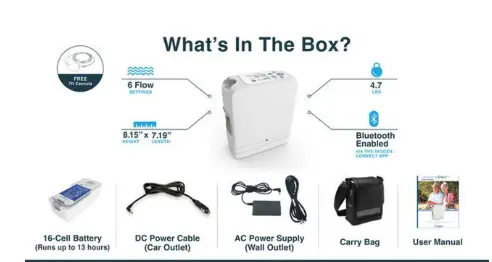
What Comes in the Box?
When your portable oxygen concentrator arrives, it is a good idea to keep the packaging and paperwork for future reference. Before opening the box, place it near an outlet if you plan to charge the battery right away.
Most portable oxygen concentrators come with a few standard items.
Instruction Manual
Every unit includes a user manual. While it may not be the most exciting thing to read, it contains important information about setup, maintenance, alarms, and troubleshooting for your specific model.
Since every portable oxygen machine works a little differently, always refer to the manual if you are unsure about a setting or alert.
Portable Oxygen Concentrator Unit
This is the main device that delivers oxygen. Before turning it on, check that any filters are properly installed and that nothing is blocking the air vents.
Take a moment to familiarize yourself with the buttons and display screen. Most units have simple controls for power, battery level, and oxygen flow settings.
Battery and Chargers
Many POCs include a rechargeable battery, an AC power adapter for wall outlets, and a DC charger for vehicle charging.
Battery life varies depending on the oxygen setting, breathing rate, and device model. Some units may last only a few hours, while others can run longer with extended batteries.
If you plan to spend time outside the house, having an extra battery can help you avoid interruptions.
Nasal Cannula
Your concentrator typically comes with a nasal cannula, the tubing that delivers oxygen to your nose. It should connect securely to the oxygen outlet before use.
Over time, nasal cannulas need replacement to keep airflow clean and comfortable.
How to Set Up Your Portable Oxygen Concentrator
Getting started with your oxygen concentrator for home use does not have to be complicated.
Charge the Battery First
Before using your portable oxygen concentrator for the first time, fully charge the battery.
You can usually charge it using the AC adapter plugged into a wall outlet. Some models also allow charging in a vehicle using a DC power cord.
Many devices can continue working while charging, which can be helpful if the battery runs low during use.
The display screen often shows battery life, making it easier to monitor remaining power.
Connect the Nasal Cannula
Once the battery is charged, connect the nasal cannula securely to the device.
Place the tubing comfortably around your ears and position the prongs inside your nose. Make sure the tubing is not twisted or bent, as this may affect airflow.
Turn On the Device
Press the power button to start your unit.
Some portable oxygen concentrators may beep briefly when turned on. This is usually normal and simply confirms that the machine is working.
You should begin breathing normally while wearing the cannula.
Adjust the Flow Setting Carefully
Most units allow you to adjust oxygen flow using plus (+) and minus (-) buttons.
Always use the oxygen setting prescribed by your healthcare provider. Do not adjust the flow rate on your own without guidance.
Keep in mind that portable oxygen concentrator settings may not match the same numbers used on larger home oxygen equipment. Different models deliver oxygen differently.
Once your setting is correct, you may feel small oxygen pulses as you breathe.
Helpful Tips for First-Time Portable Oxygen Concentrator Users
Getting used to wearing a portable oxygen machine may take time. These simple tips can make the transition easier.
Practice Using It at Home First
Before taking your concentrator outside, spend time wearing it around the house.
This helps you become familiar with the controls, carrying bag, battery life, and tubing.
A little practice can make trips outside feel much more comfortable.
Keep an Extra Battery Nearby
If you plan to leave home for appointments, errands, or family visits, carrying an extra battery is a smart idea.
Running out of power unexpectedly can be stressful, especially when you depend on oxygen throughout the day.
Pay Attention to Alerts
Many units use alarms or screen notifications to let you know something needs attention.
Sometimes the issue is simple, such as a loose cannula connection or low battery.
If an alert appears, check your manual for guidance. If you are unsure, contact your home medical equipment provider for support.
Use the Carrying Bag Properly
Most portable oxygen concentrators come with carrying bags to make transport easier.
Be sure the bag does not block air vents or oxygen outlets. Good airflow helps your unit perform properly.
Adjust the straps so the bag feels secure and comfortable while walking.
Safety Tips for Using Oxygen at Home
Portable oxygen concentrators are generally safe when used correctly, but a few precautions matter.
Keep the device away from open flames, heat sources, or sparks. Oxygen itself does not cause fires, but it can make them spread faster.
Do not smoke while using oxygen.
Store your concentrator in a cool, dry place and avoid leaving it inside a hot vehicle for long periods.
Keeping your unit clean and replacing filters or tubing as recommended can also help it continue working properly.
When to Get Help
If your concentrator is making unusual sounds, displaying warning messages, or not delivering oxygen properly, do not ignore it.
Sometimes a quick fix solves the problem. Other times, the unit may need service or replacement parts.
Having support from a trusted home medical equipment provider can make the process easier, especially if you are new to oxygen therapy.
Final Thoughts
Starting with a portable oxygen concentrator may feel intimidating at first, but most people become comfortable using one quickly.
Once you understand the basics of charging the battery, adjusting settings, and carrying the device safely, daily use becomes much more manageable.
The goal is simple: helping you stay comfortable, active, and confident whether you are at home or on the go.
Related Posts
Get weekly articles in your inbox on the latest medical supply news, exclusive deals, and helpful health tips.


 Recommended products
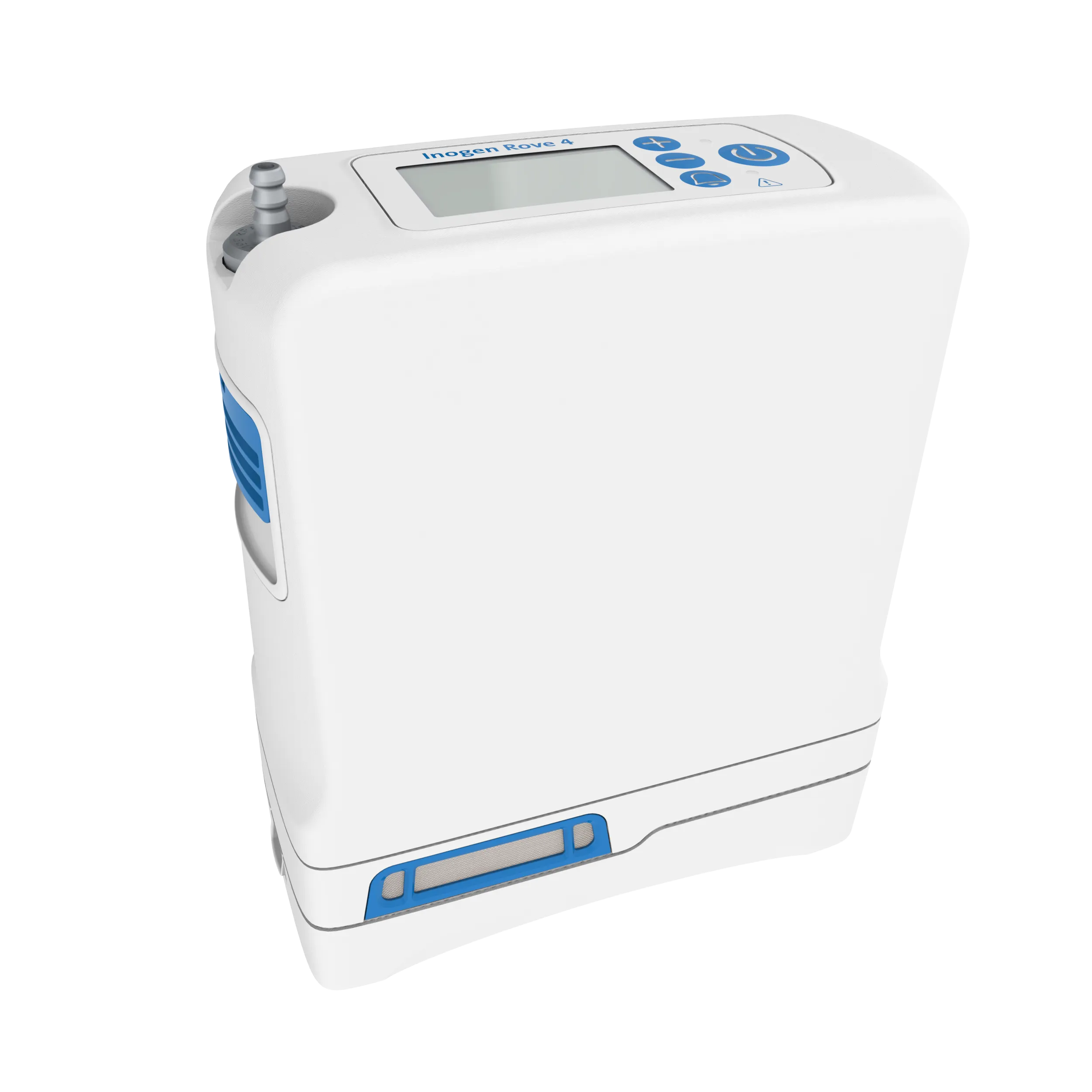
Inogen Rove 4 System - Portable Oxygen Concentrator
2 products
Recommended products
Inogen Rove 4 System - Portable Oxygen Concentrator
2 products
Inogen Rove 4 System - Portable Oxygen Concentrator
The Inogen® Rove 4™ delivers power and performance in a compact Portable Oxygen Concentrator (POC), offering patients the highest oxygen output in the lightest weight 4-setting portable oxygen concentrator.1 Designed for reliability, the Inogen® Rove 4™ offers best in class expected service life of up to 8 years.2 The Inogen® Rove 4™, our most versatile device, was designed with the desire to give patients peace of mind to leave the home and feel ready for life.The Inogen® Rove 4™ meets FAA acceptance criteria for portable oxygen concentrators carriage and use on board aircraft. Requires Prescription (Rx)
$2,995.00
View product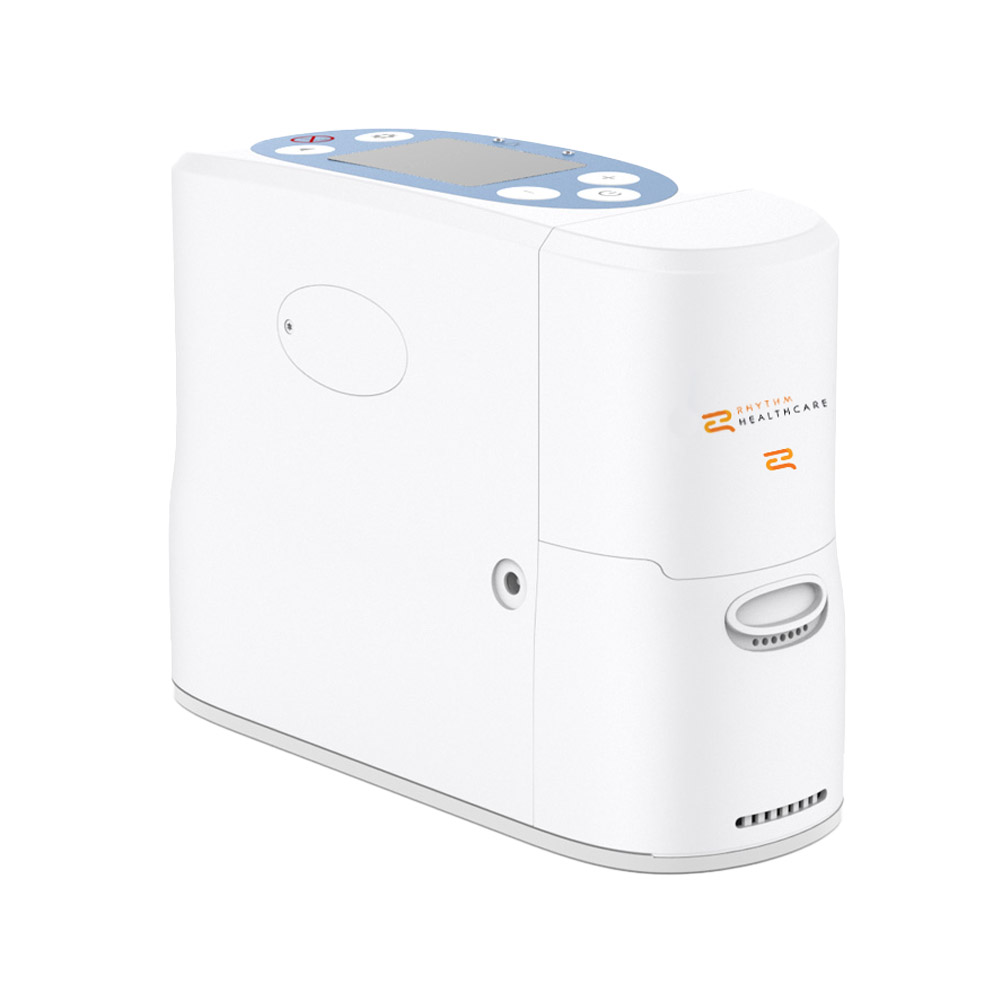
P2-E6 Portable Oxygen Concentrator Rhythm Healthcare
• Compact & lightweight. • Battery duration up to 5.4 hours on setting 1. • High efficiency, low noise. Excellent heat dissipation. • High absorption sieve bed. • Includes AC/DC Car Charger. • Conforms to all applicable FAA acceptance criteria for POC carriage and use on board aircraft. Requires Prescription
$2,350.00
View product