Blog Knee Scooter vs Crutches: Which Is the Better Choice for Recovery?
Last updated: May 15, 2026
Recovering from a foot, ankle, or lower leg injury can make simple daily activities feel frustrating. Walking through the house, getting to the kitchen, or even moving from room to room suddenly becomes difficult. That is when many people start comparing knee scooters vs crutches and asking the same question: which one is the better option?
The truth is, there is no one-size-fits-all answer. The right choice depends on your injury, balance, comfort level, and daily routine. While some people recover comfortably using crutches, others find a knee scooter makes movement much easier during recovery.
In this guide, we’ll compare knee scooters and crutches, look at the pros and cons of each, and help you decide which option may work best for your situation.
Understanding Knee Scooters and Crutches
Both knee scooters and crutches are designed to help people stay mobile while keeping weight off an injured leg or foot. However, they work very differently.
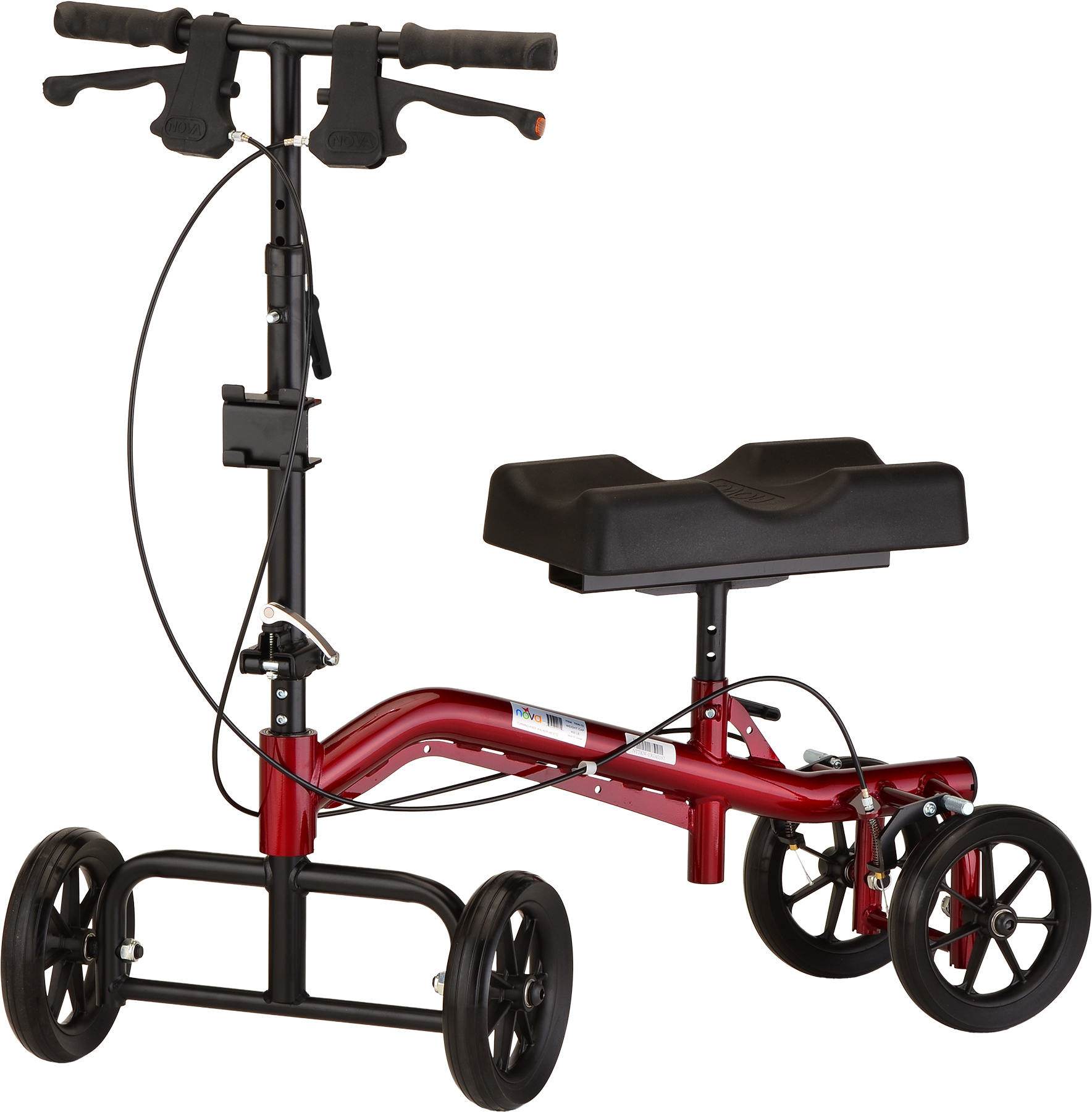
A knee scooter, also called a knee walker, is a wheeled mobility aid that allows you to rest your injured leg on a padded platform while using your healthy leg to move forward. Most models come with handlebars and hand brakes for control.
Crutches are handheld mobility aids that support your weight through your arms while keeping pressure off the injured leg. They are commonly used after surgery, fractures, sprains, or other lower-body injuries.
Although both serve the same purpose, the day-to-day experience of using them can feel very different.
Comfort and Ease of Use
For many people, comfort becomes one of the biggest deciding factors during recovery.
Knee Scooters: A More Comfortable Ride
Knee scooters are often considered more comfortable for longer periods of use. Since your body weight is supported through the knee platform, there is less strain on your arms, shoulders, and hands.
This can make a big difference if you need to move around often throughout the day.
Many users also find knee scooters easier to adjust to. Once you get comfortable steering and braking, moving around feels relatively natural, especially on smooth indoor surfaces.
A knee scooter can also make everyday tasks easier. Since one hand may be free at times, carrying small items or moving around the house can feel more manageable.
Crutches: Simple but More Demanding
Crutches are lightweight and portable, but they usually require more physical effort.
Using crutches properly takes balance, coordination, and upper body strength. After extended use, many people experience soreness in the hands, shoulders, or underarms.
That said, some people prefer crutches because they are simple, familiar, and easier to transport.
If your recovery is expected to be short-term, crutches may feel like a practical option.
Mobility at Home and Outdoors
Your living environment matters more than most people realize when choosing between a knee scooter and crutches.
When a Knee Scooter Works Best
Knee scooters tend to work well for people recovering at home who need to move around frequently on flat surfaces.
They can be especially helpful for:
- Foot injuries
- Broken ankles
- Achilles tendon recovery
- Post-surgical recovery that requires avoiding weight on one leg
Moving across hardwood, tile, or smooth flooring often feels easier with a knee scooter than hopping around on crutches.
If you need to prepare meals, move around the house, or maintain some independence during recovery, a knee scooter can provide more convenience.
When Crutches May Be Better
Crutches often work better in environments where movement is less predictable.
For example, crutches may be more practical if you:
- Need to go up and down stairs frequently
- Spend time outdoors on uneven surfaces
- Have limited storage space
- Need something lightweight for transportation
Unlike a knee scooter, crutches are easier to carry in a car and can fit into tighter spaces.
Stability and Safety
Feeling stable during recovery is important, especially for seniors or people who already have balance concerns.
Knee scooters usually provide better stability on flat ground because they have multiple wheels supporting movement. Many users feel more secure and less tired when using them indoors.
However, knee scooters are not ideal everywhere. Curbs, uneven sidewalks, gravel, or stairs can become challenging.
Crutches require more balance, which may feel difficult at first. However, they can be useful in situations where a scooter simply cannot go.
The safest option often depends on your physical strength, balance, and doctor’s recommendation.
Cost and Accessibility
Both options are generally easy to find, but accessibility can vary depending on your area.
Crutches are often less expensive upfront and are widely available.
Knee scooters may cost more to purchase, but many people prefer them for comfort and convenience during longer recoveries. In some cases, renting a knee scooter can be a practical solution, especially if you only need it temporarily.
If you are unsure which mobility aid will work best, visiting a local home medical equipment provider can help. Being able to ask questions, compare options, and choose the right fit can make recovery easier.
Knee Scooter vs Crutches: Which One Should You Choose?
When comparing knee scooter vs crutches, the best option depends on your recovery needs.
A knee scooter may be the better choice if comfort, stability, and easier movement around the house are your priorities.
Crutches may make more sense if you need something lightweight, frequently use stairs, or have a shorter recovery period.
Some people even use both. A knee scooter for getting around at home and crutches for situations where mobility is more limited.
The most important thing is choosing equipment that helps you move safely and comfortably while supporting your recovery.
Final Thoughts
Recovering from an injury is already stressful. The right mobility aid can make daily life easier and help you stay more independent while healing.
Whether you choose a knee scooter or crutches, think about your home environment, comfort level, and daily routine before deciding.
If you are recovering from a foot or ankle injury and want help finding the right mobility equipment, working with a local provider can make the process easier. The right fit can improve comfort, confidence, and peace of mind during recovery.
Get weekly articles in your inbox on the latest medical supply news, exclusive deals, and helpful health tips.
 Recommended products
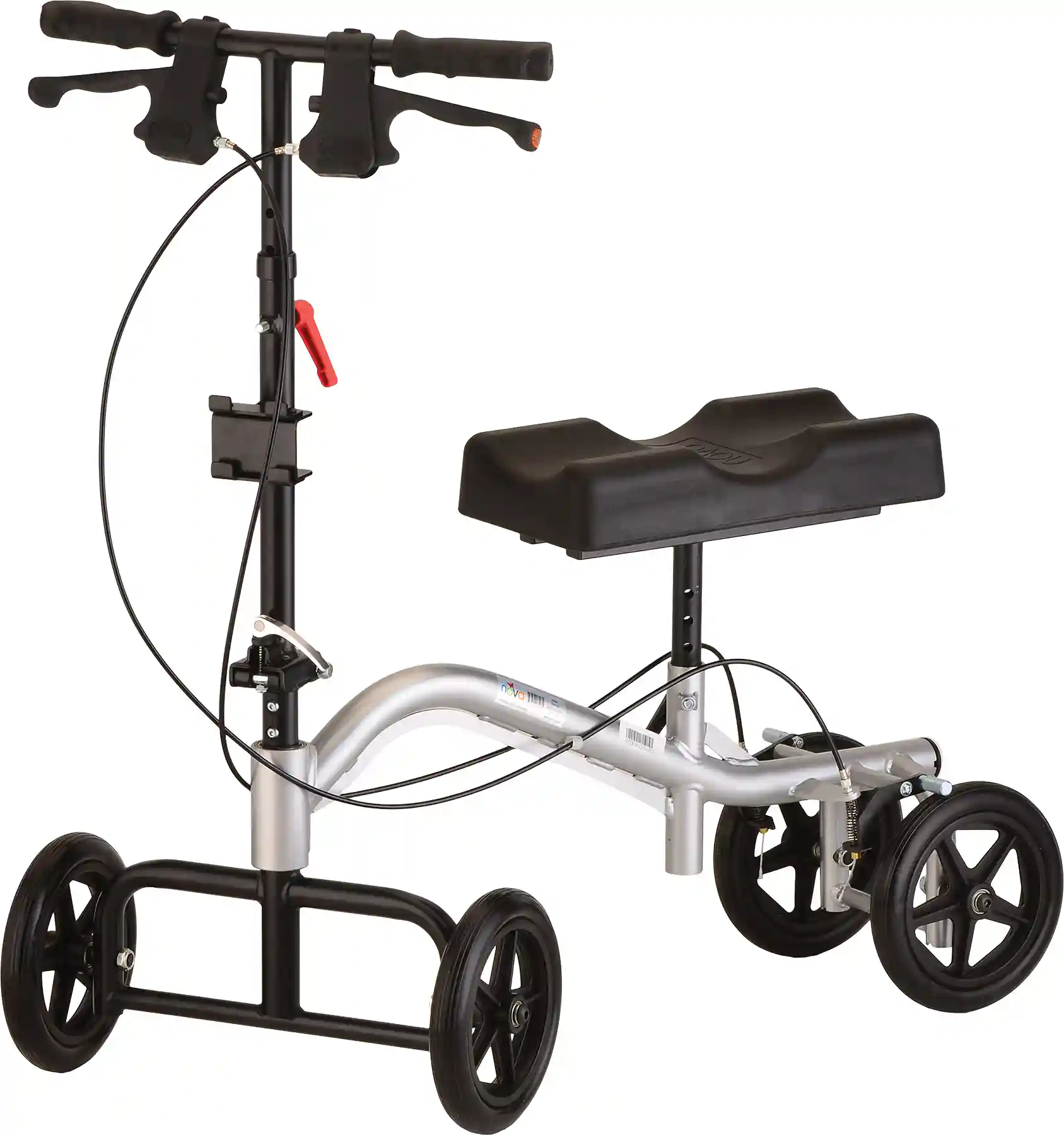
Turning Knee walker scooter Nova
2 products
Recommended products
Turning Knee walker scooter Nova
2 products
Turning Knee walker scooter Nova
We love the Knee Walker because being on the go... while recovering from foot/ ankle/Achilles injury is long, uncomfortable, and very inconvenient. Stay mobile and recover better with the non-weight bearing Knee Walker, equipped with locking hand brakes, rugged wheels, and a strong frame that supports up to 300 lb. It will be a long 6-12 weeks...suffer less and move more.
$359.00
View product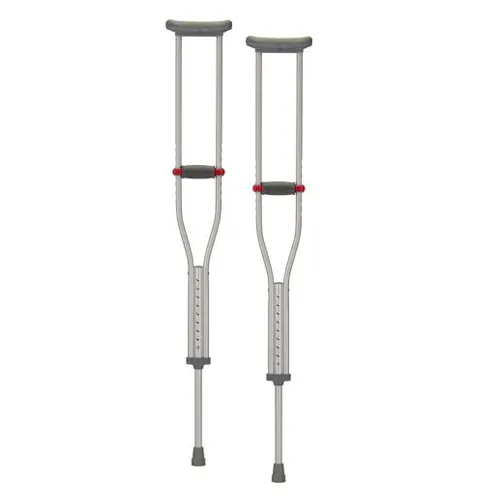
Crutch Aluminum Quick Adjustable Nova
The youth crutches are made out of aluminum. They feature a push button for easy height adjustment and have a marked height for easy adjustments. They are for users between the heights of 4’6" - 5’2" and are sold in pairs. Latex free.
$38.00
View product