Blog Convenient Solutions: Finding Crutches Near You for Temporary Mobility Needs
Last updated: April 23, 2026
Have you recently had an injury that makes walking difficult?
Even a simple movement can feel frustrating when your foot, ankle, or knee needs time to heal. That’s where crutches come in. They give you the support you need to stay mobile without putting pressure on the injured area.
In this guide, you’ll learn what crutches are, how to choose the right type, where to find them near you, and how to use them safely so you can recover with confidence.
What Are Crutches?
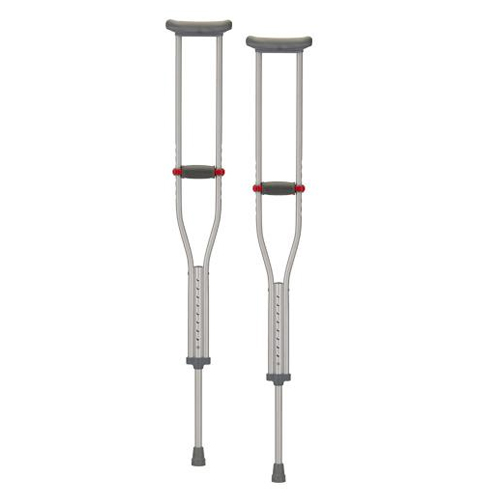
Crutches are mobility aids designed to help you walk without placing full weight on an injured leg. They improve balance and stability while reducing strain on the affected area.
There are a few common types:
- Axillary crutches (underarm): The most widely used option for short-term injuries
- Forearm crutches: Provide more control and are often used for longer recovery periods
- Platform crutches: Ideal if you cannot put weight on your hands or wrists
Crutches are typically recommended for injuries like sprains, fractures, or post-surgery recovery. The goal is simple—help you move safely while your body heals.
Why Crutches Make Recovery Easier
The biggest advantage of using crutches is simple: they keep you moving.
Instead of being stuck in one place, you can continue your daily routine with fewer limitations. This independence matters more than most people expect, especially during recovery.
Crutches also protect your injury. By shifting weight away from the affected area, they reduce the risk of further damage. That alone can make a big difference in how quickly you heal.
There’s also a physical benefit. Using crutches engages your upper body, which can help maintain strength and coordination while your lower body recovers.
When You Might Need Crutches
You don’t always plan for an injury. Sometimes you need support immediately.
Crutches are commonly used when:
- You’ve had a sudden injury like a sprain or fracture
- You’re recovering after surgery
- Walking causes pain or instability
If you’re unsure, it’s always best to follow medical advice. But in many cases, getting crutches quickly can prevent your condition from getting worse.
Finding Crutches Near You
Once you know you need crutches, the next step is getting them quickly and conveniently.
Local Stores for Immediate Pickup
Pharmacies and equipment supply stores are often the fastest option. You can walk in, try different sizes, and leave with what you need the same day. This is especially helpful if you need proper fitting and guidance.
Ordering Online
If leaving home is difficult, online options can work well. You’ll find a wide range of styles and prices. Just make sure to check sizing details and reviews before buying.
Renting vs. Buying
This decision depends on how long you’ll need them.
If your recovery is short, renting can save money and hassle. But if you expect to use crutches for several weeks or longer, buying may be the more practical choice.
If you’re unsure, many providers can guide you based on your situation so you don’t overpay or choose the wrong option.
How to Choose the Right Crutches
Not all crutches feel the same. A poor fit can lead to discomfort or even slow down your recovery.
Here’s what matters most:
Your crutches should match your height. The top should sit just below your armpits, not press into them. Handgrips should align with your hips so your arms can carry your weight comfortably.
Pay attention to grip comfort and padding. If you’ll be using crutches daily, small details like cushioning make a big difference.
Weight capacity and stability are also important. You want something that feels secure every time you take a step.
Tips for Using Crutches Safely
Using crutches for the first time can feel awkward. But with a little practice, it becomes much easier.
Start on flat, even ground. Get comfortable with your balance before trying stairs or uneven surfaces.
When walking, keep your weight on your hands—not your underarms. This helps avoid discomfort and gives you better control.
For stairs, remember this simple rule: lead with your good leg going up, and your injured leg going down. Move slowly and stay focused.
As you recover, try to gradually put weight back on your injured leg if your condition allows. This helps rebuild strength and prevents stiffness.
Common Mistakes to Avoid
Many people struggle with crutches at first, and that’s normal. But a few common mistakes can make things harder than they need to be.
Using crutches that are too tall or too short can cause pain and poor posture. Skipping proper adjustment is one of the biggest issues.
Rushing on stairs or uneven ground can increase the risk of slipping. Take your time—it’s worth it.
And finally, don’t ignore discomfort. Pain in your hands, shoulders, or underarms usually means something needs to be adjusted.
Get the Support You Need—Without the Wait
When mobility becomes a challenge, the right support makes all the difference.
Crutches are a simple but powerful solution. They help you stay active, protect your injury, and move through your day with more confidence.
If you need crutches quickly, look for a nearby provider that offers fast pickup or flexible rental options. Getting the right fit early can make your recovery smoother from day one.
Conclusion
Crutches are often a short-term solution, but they play a big role in recovery. They reduce pressure on injuries, improve mobility, and help you stay independent while healing.
Finding crutches near you doesn’t have to be complicated. Whether you choose to rent or buy, the key is to act quickly, choose the right fit, and use them properly.
A small decision today can make your recovery much easier tomorrow.
Get weekly articles in your inbox on the latest medical supply news, exclusive deals, and helpful health tips.