Blog How Compression Stockings Improve Circulation and Tissue Oxygen Levels
Last updated: June 15, 2026
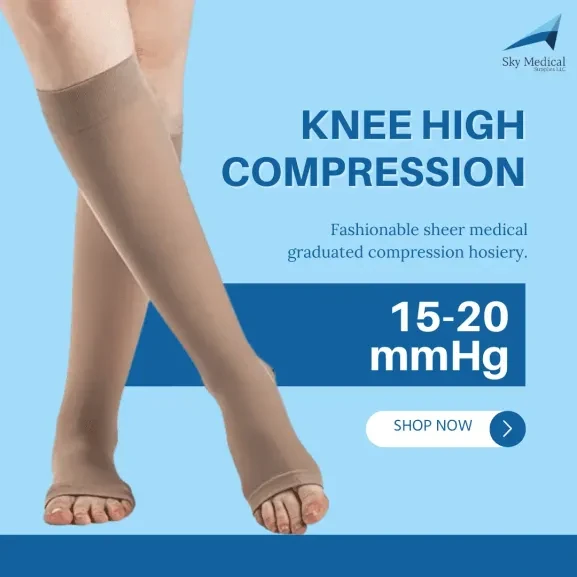
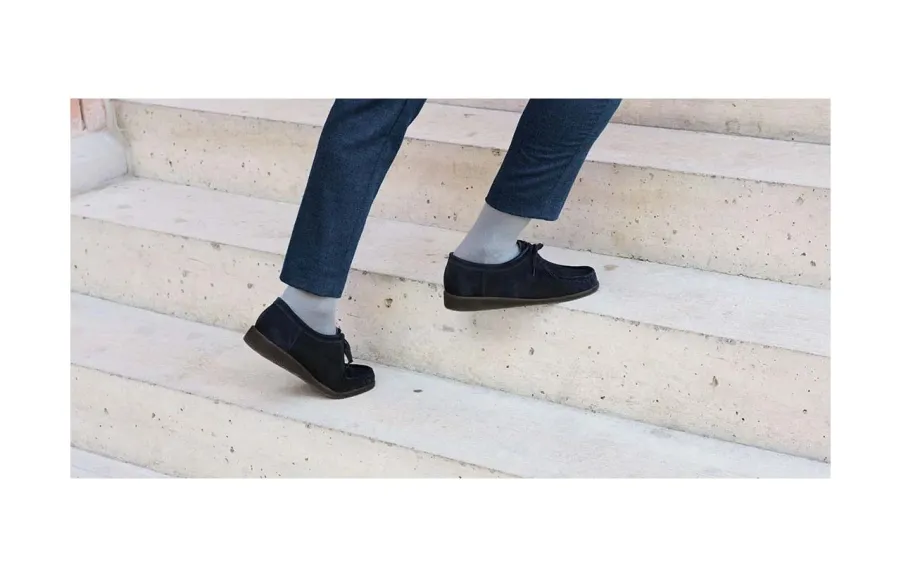 If your legs feel heavy and swollen after a long shift on your feet, or you've been sitting on a plane for hours and your ankles look like they belong to someone else — that's your circulation struggling to push blood back up from your lower legs. Compression stockings for circulation work directly on that problem.
They apply graduated pressure starting at the ankle, where it's firmest, easing off as it moves up the calf. That gradient does something practical: it helps your veins move blood upward against gravity instead of letting it pool at the bottom.
What Is Tissue Oxygen Saturation?
Tissue oxygen saturation is simply how much oxygen your muscles and tissues are actually receiving. Not what's in your bloodstream — what's getting delivered where it's needed.
When blood pools in the lower leg, oxygen delivery drops. Your muscles get less of what they need to work and recover, which explains why legs feel tired and sluggish even after a day with minimal physical activity.
Getting circulation moving again is what changes that equation.
How Compression Stockings Improve Blood Flow
The pressure gradient in compression stockings supports the veins' return function. Blood that would otherwise sit and pool gets nudged along. This is especially relevant after long stretches without movement — a desk job, a long flight, post-surgical bed rest.
Improved blood flow to improve blood circulation in legs tends to bring a few concrete changes:
- Less ankle and leg swelling by the end of the day
- Reduced heaviness and leg fatigue
- Faster muscle recovery after physical activity
- Better comfort during long standing shifts
- More oxygen reaching calf and foot tissue
That last point connects directly to tissue oxygen saturation. More circulation means more consistent oxygen delivery across the tissue, not just faster delivery.
Why Better Tissue Oxygen Saturation Matters
When your muscles get adequate oxygen, they recover faster and hurt less. The problem is that poor leg circulation quietly interrupts that process without triggering any obvious alarm.
People using compression stockings for leg swelling and circulation-related discomfort often notice improvement in symptoms like:
- Leg fatigue after standing or walking
- Mild swelling at the ankle or calf
- Muscle soreness that lingers longer than expected
- Shin discomfort or Achilles tightness
- That persistent heavy-leg feeling by mid-afternoon
This makes them particularly useful for home recovery, older adults with reduced activity levels, and workers or caregivers spending long hours on their feet.
Types of Compression Stockings
Compression stockings come in different styles depending on what you actually need.
Graduated Compression Stockings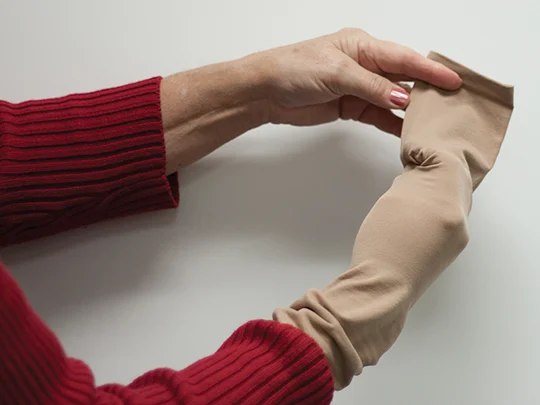
The most common type. Highest pressure at the ankle, gradually decreasing toward the knee or thigh. These are what most people mean when they talk about compression socks for swelling or circulation support at home. They're used for vein health, everyday leg swelling relief, and general comfort during long days.
Anti-Embolism Stockings
Designed for people with limited mobility or those in post-surgical recovery. The focus is circulation support at home when movement is reduced for extended periods. A healthcare provider typically determines whether these are appropriate for your situation.
Nonmedical Compression Socks
Available over the counter, lighter pressure, no prescription required. Good for tired legs after a long workday or travel. Not a treatment for any specific condition, but useful for daily comfort and mild leg swelling relief.
Who Can Benefit from Compression Stockings?
Compression stockings benefits are most noticeable if you:
- Deal with regular leg swelling or heaviness
- Sit or stand for most of your workday
- Are recovering from surgery at home
- Travel by air or car for extended periods
- Want home compression support without a clinical referral
- Are an older adult looking for daily circulation support at home
One clear caveat: certain vascular conditions make compression stockings inappropriate or even risky. If you have peripheral artery disease or similar circulatory problems, check with a doctor first. The wrong pressure on compromised arteries can cause real harm.
How Compression Stockings Should Feel
Snug at the ankle, slightly less so up the leg. That's the intended feeling, and it should stay that way — uncomfortable is a sign something's off, either with the fit or the compression level.
Stop wearing them and check the fit if you notice:
- Pain or pinching anywhere along the leg
- Numbness or tingling in the foot
- Cold feet after putting them on
- Skin color changes around the calf or ankle
These aren't minor annoyances. They indicate the stockings are restricting circulation rather than supporting it.
Tips for Wearing Compression Stockings
Put them on in the morning, before swelling builds up over the course of the day. Getting them on later is harder and less effective once fluid has already settled.
Smooth them up evenly — bunching at the ankle or behind the knee defeats the whole pressure gradient. Most people remove them before bed unless specifically told otherwise by a healthcare provider.
If you're wearing them daily, having two or three pairs makes rotation easier. One pair that never fully dries and gets worn damp is a skin problem waiting to happen.
Bottom Line
Compression stockings for circulation work by doing one thing well: helping blood move back up the leg instead of pooling in the ankle and calf. That improved flow means more oxygen reaches the tissue, which is why people feel less tired and swollen after wearing them consistently.
They're not a cure for circulatory disease. But for leg swelling relief, home compression support, and day-to-day comfort, they're a practical option that most people can use without any specialized equipment or setup — just the right fit and the right compression level for your situation.
Related Posts
Get weekly articles in your inbox on the latest medical supply news, exclusive deals, and helpful health tips.
 Recommended products
Dynamic Cotton Compression Socks
2 products
Recommended products
Dynamic Cotton Compression Socks
2 products
Dynamic Cotton Compression Socks
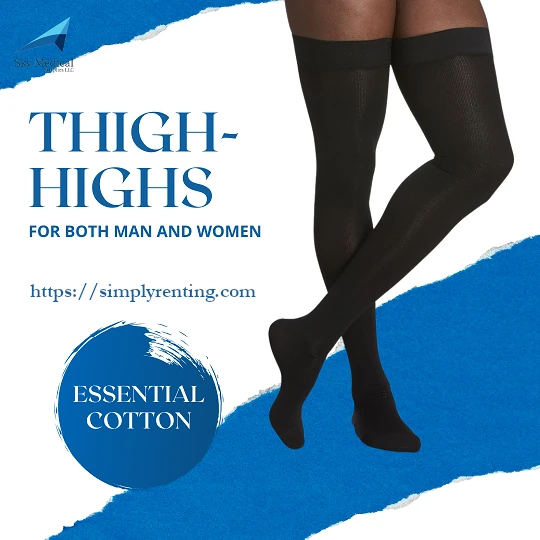
Compression socks for menJuzo Dynamic Cotton compression sock delivers comfort that’s fashionable, durable and offers excellent containment. This medical compression sock is designed for men, featuring a bigger foot portion, breathable cotton lining, and a special ribbed design.
$89.00
View product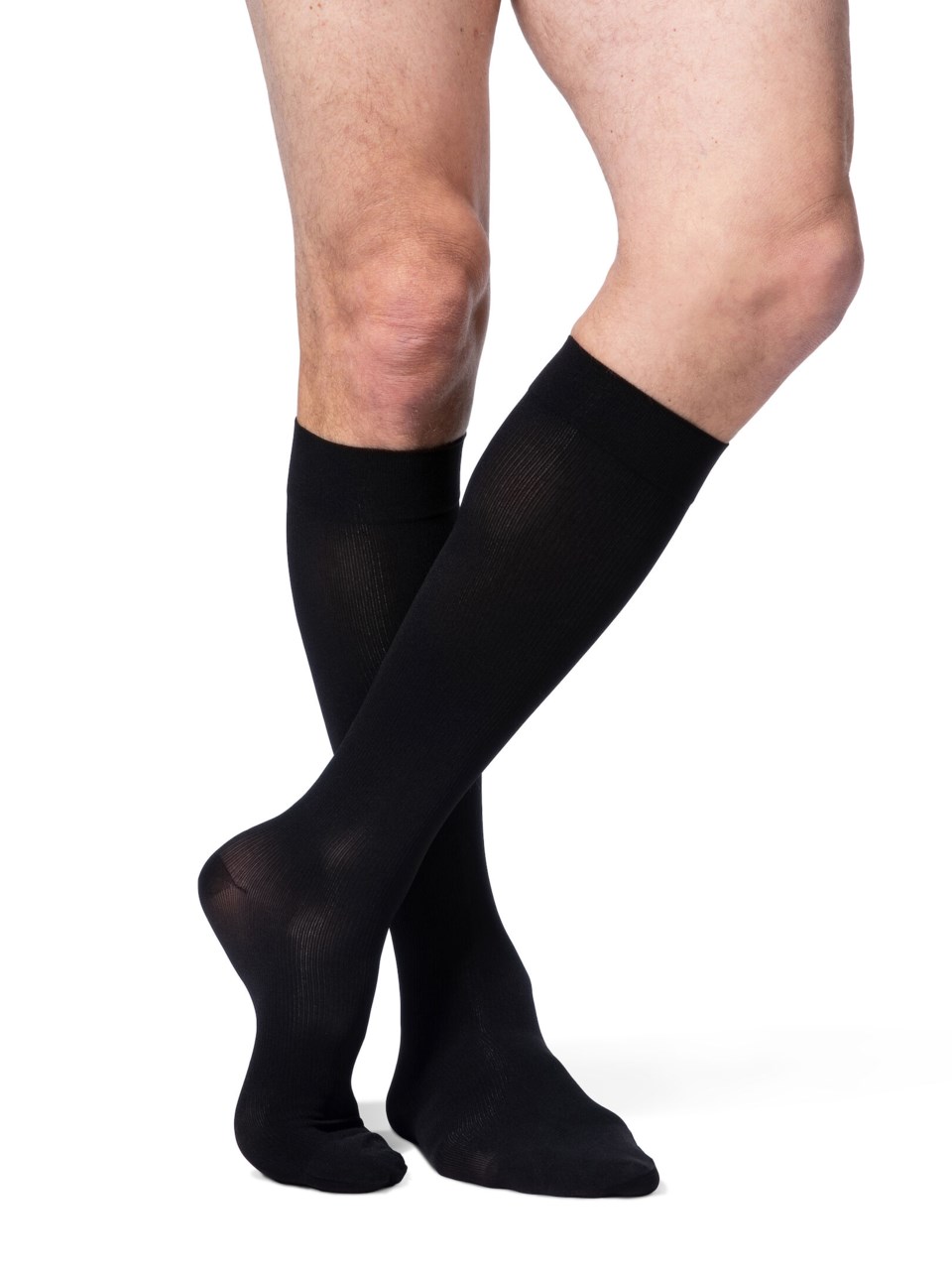
Sigvaris Essential Opaque - Women's Closed Toe
Essential Opaque offers durability you can trust in our largest range of sizes, making it your go-to choice for everyday hosiery.Requires Prescription
$63.99
View product