Blog Different Types of Air Purification Methods Explained
Last updated: January 29, 2026
As the COVID-19 pandemic highlighted the importance of indoor air quality, many households have become more conscious of the air they breathe. Seasonal changes, allergies, pollution, and airborne infections all make clean indoor air essential for protecting our health and well-being.
Air purifiers can help reduce airborne contaminants such as dust, pollen, bacteria, and viruses. However, not all air purification technologies work the same way. Understanding the different types of air purification methods will help you choose the right solution for your home.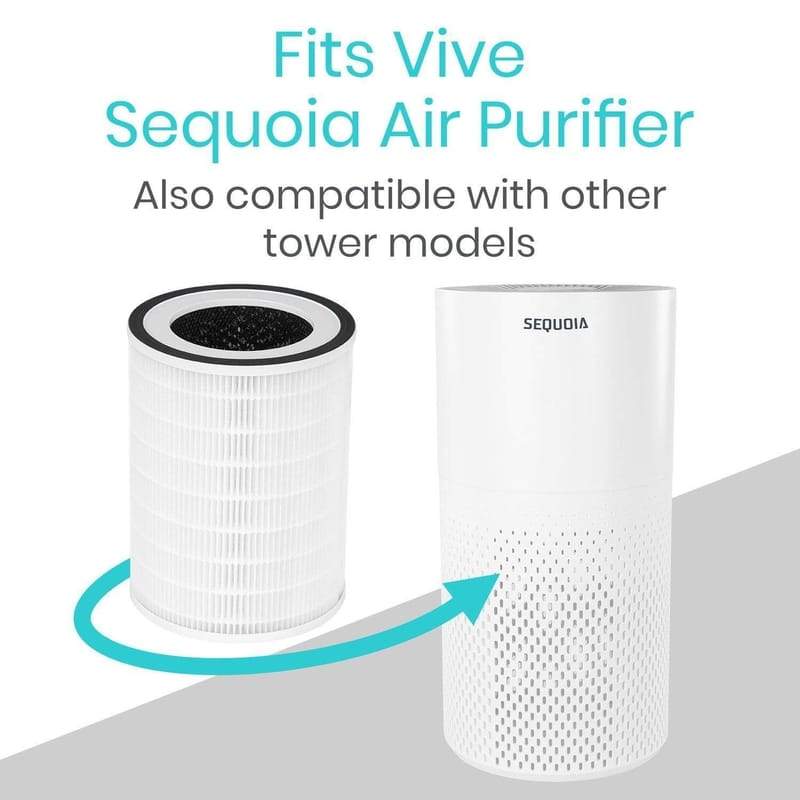
What Are the Main Types of Air Purification Methods?
Air purifiers generally fall into two main categories:
- Air filtration systems
- Air sanitization systems
Some modern air purifiers combine both methods to improve effectiveness.
Air Filtration Systems
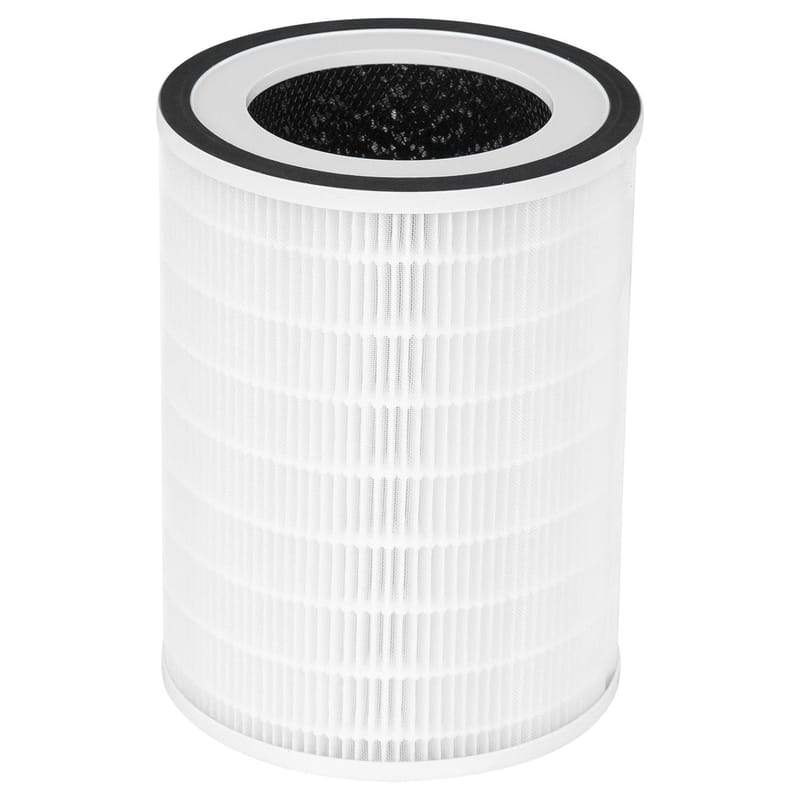
Air filtration systems improve indoor air quality by physically trapping particles as air passes through a filter. These systems are especially helpful for people with allergies, asthma, or respiratory conditions.
HEPA Filters (High-Efficiency Particulate Air)
HEPA filters are among the most widely used and trusted air purification technologies.
Key benefits of HEPA filters:
- Capture up to 99.97% of particles as small as 0.3 microns
- Effective against dust, pollen, mold spores, pet dander, and some airborne bacteria
- Safe for continuous indoor use
- No harmful by-products
Because many airborne viruses attach to larger particles, HEPA filters can significantly reduce their presence in indoor air when used continuously.
Air Sanitization Systems
Unlike filters, air sanitizers are designed to neutralize or destroy microorganisms such as bacteria, viruses, and mold rather than just trapping them.
UV Light Purification
Ultraviolet (UV-C) light disrupts the DNA or RNA of microorganisms, rendering them inactive.
Important notes:
- Effectiveness depends on exposure time and system design
- Often used in combination with HEPA filters
- Safe when UV light is fully enclosed inside the purifier
UV purification can help reduce airborne pathogens, including certain viruses, when properly implemented.
Ionizers (Electrostatic Air Purifiers)
Ionizers release negatively charged ions into the air. These ions attach to airborne particles, causing them to clump together and settle onto surfaces or collection plates.
Pros:
- Can reduce airborne particles
- Low energy consumption
Cons:
- Particles may settle on furniture instead of being fully removed
- Some ionizers can produce small amounts of ozone
Ozone Generators (Use with Caution)
Ozone generators intentionally produce ozone (O₃) to react with pollutants in the air.
Health concerns:
- Ozone can irritate the lungs and airways
- Prolonged exposure may cause coughing, chest pain, and breathing difficulties
- Not recommended for occupied indoor spaces
Most health organizations advise against using ozone-producing air purifiers in homes.
Are Air Purifiers Safe to Use?
Yes — most air purifiers are safe when used correctly.
- HEPA filters and enclosed UV systems are considered safe and effective
- Ionizers should be ozone-free or certified for low emissions
- Ozone generators pose health risks and should be avoided for regular home use
Always check product certifications and safety standards before purchasing.
What Is the Most Effective Air Purification Method?
For most homes, HEPA filtration is the most effective and safest option. When combined with continuous operation, HEPA filters can significantly reduce airborne pollutants and microorganisms.
UV light can add an extra layer of protection when used alongside HEPA filtration, but it should not replace mechanical filtration.
Final Thoughts: Choosing the Right Air Purifier
Now that you understand the different air purification technologies, choosing the right air purifier becomes much easier. For everyday home use, a HEPA-based air purifier offers the best balance of safety, efficiency, and reliability.
If you are looking for a high-quality air purifier designed for long-term indoor use, consider exploring trusted options that combine advanced filtration with safe sanitization features.
Related Posts
Get weekly articles in your inbox on the latest medical supply news, exclusive deals, and helpful health tips.

 A knee scooter is a great way to g