Blog Factors to Consider When Choosing a Knee Scooter for Adults
Last updated: April 29, 2026
Recovering from a foot, ankle, or lower leg injury is frustrating. Crutches can feel unstable. Walking becomes slow and exhausting. That’s where a knee scooter can make a real difference.
But not all knee scooters are the same.
Choosing the right one isn’t just about picking any model—it’s about finding something that feels stable, comfortable, and easy to use in your daily routine. The right choice will help you move with confidence instead of struggling with every step.
Let’s break down what actually matters when selecting a knee scooter.
 Comfort and Stability Come First
If a knee scooter doesn’t feel comfortable, you won’t use it for long. And if it’s not stable, it defeats the whole purpose.
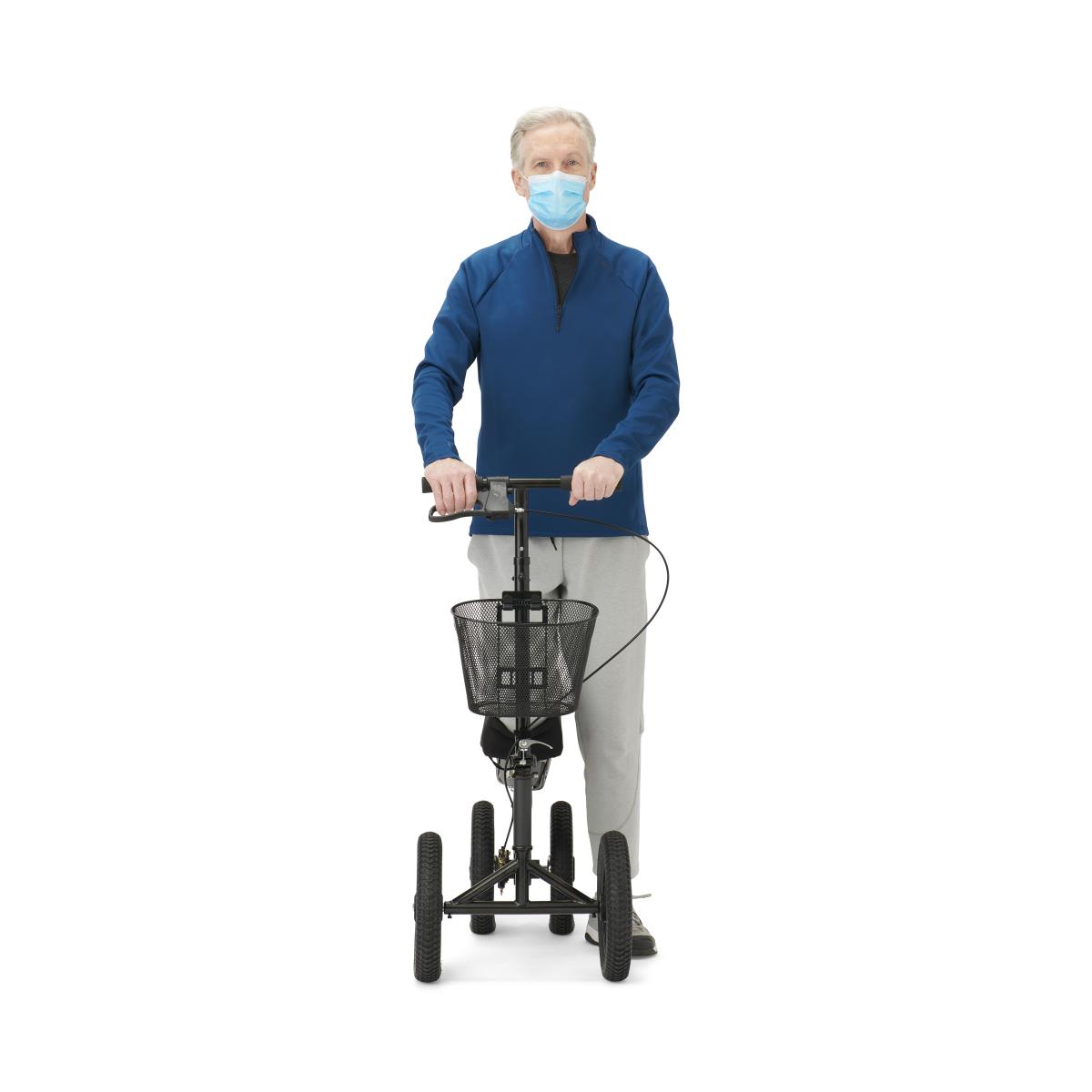
Start with the basics. A well-padded knee platform is essential. You’ll be resting your leg on it for extended periods, so it needs to reduce pressure and prevent soreness. Handlebars should also have a comfortable grip and feel natural when steering.
Stability is just as important. A solid frame and balanced design help you stay in control, especially when turning or stopping. This becomes even more noticeable if you’re moving across different surfaces throughout the day.
Adjustability Makes a Big Difference
Everyone’s height and leg length are different. A one-size-fits-all approach simply doesn’t work here.
Look for a knee scooter with adjustable handlebars and knee platform height. When properly adjusted, your posture feels natural, and you won’t strain your back or shoulders.
If the scooter forces you into an awkward position, it will quickly become uncomfortable—and you’ll be less likely to rely on it when you actually need it.
Wheel Size Impacts How It Feels to Ride
This is one of the most overlooked factors, yet it changes everything.
Smaller wheels are easier to maneuver in tight spaces. Larger wheels, on the other hand, provide a smoother and more stable ride, especially if you’re moving over uneven surfaces.
If you expect to use your scooter beyond perfectly smooth floors, bigger wheels are usually worth it. They handle bumps better and reduce the effort needed to keep moving.
Brakes Should Feel Reliable and Easy to Use
Brakes aren’t something you think about—until you really need them.
A good knee scooter should have responsive brakes that are easy to reach and simple to operate. You shouldn’t have to struggle or adjust your grip just to stop.
Test how quickly the scooter comes to a halt. Reliable braking gives you confidence, especially when navigating crowded or busy environments.
Weight Capacity and Build Quality Go Hand in Hand
Not all scooters are built the same. Some are designed for light use, while others are made to handle more weight and frequent movement.
Check the weight capacity and make sure it comfortably supports you. It’s always better to choose a model that exceeds your needs rather than one that barely meets them.
This usually also reflects overall durability. A stronger frame, often made from materials like steel or reinforced aluminum, will hold up better over time and feel more secure during use.
Portability Matters More Than You Think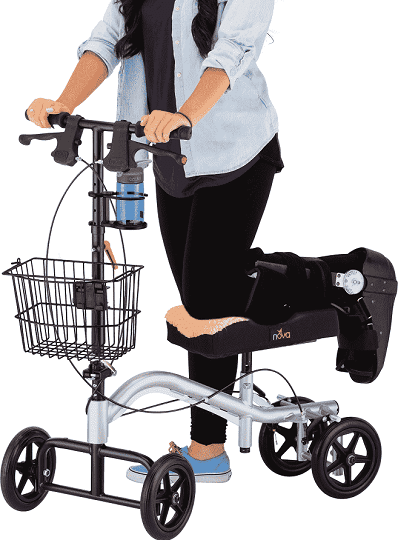
At some point, you’ll need to move or store your scooter.
A model that folds easily can save you a lot of hassle. Whether you’re placing it in a car trunk or storing it in a small space, simple folding mechanisms make a big difference.
Weight also plays a role. A lighter scooter is easier to lift and carry, especially if you’re handling it on your own.
Think About Daily Convenience
Small details can improve your overall experience.
Some scooters come with baskets or storage pouches. These might seem minor, but they help you carry essentials without juggling items in your hands.
Maintenance is another factor. Look for a scooter with durable wheels and components that don’t require constant adjustments. The easier it is to maintain, the more reliable it will be over time.
Don’t Skip Real User Feedback
Before making a final decision, take a few minutes to check what other users are saying.
Reviews often reveal things you won’t notice in product descriptions—like long-term comfort, ease of use, or common issues. This extra insight can help you avoid frustration and choose a model that actually performs well in real-life situations.
Making the Right Choice
A knee scooter isn’t just a temporary tool—it becomes part of your daily movement while you recover.
The right one should feel stable, comfortable, and easy to handle. It should support you without adding stress or frustration to your routine.
If you’re comparing options, focus on what will make your day easier—not just what looks good on paper. A well-chosen knee scooter can speed up your recovery experience simply by helping you move freely and safely.
Final Thoughts
When you choose carefully, a knee scooter does more than replace crutches—it gives you independence during a time when mobility is limited.
Take the time to evaluate your options. Look for comfort, stability, and practicality. Once you find the right fit, you’ll notice the difference immediately in how you move and feel throughout the day.