Blog Medical Supply Needs in This Holiday Season
Last updated: December 25, 2025
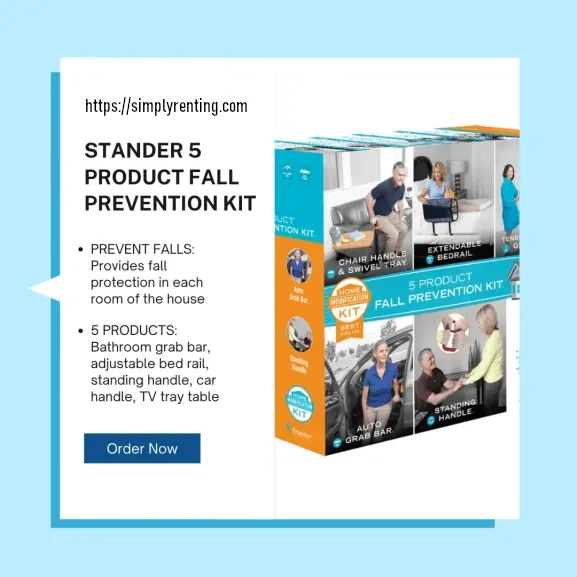
What Are the Ways to Remember Medical Supply Needs in This Holiday Season?
Medical supplies are used for the treatment, monitoring, or diagnosis of a specific medical condition, illness, or injury.
Medical supplies are mainly of two types:
- Durable Medical Supplies
- Disposable Medical Supplies
Medical supplies include face masks, aprons, wheelchairs, pulse sensors, BP cuffs, syringes, etc.
Why Should You Have Basic Medical Supplies at Your Place?
Ideally, every household should have basic medical supplies to meet their health needs. Patients can save money by not paying a third party when they require a test using home medical equipment. Patients must pay for every item used in their care, including meals, beds, and the services of nurses and doctors, because hospitals break down their fees. Medical supply prices are high, but you can save a good amount of money by having your own supplies at home, at least the basic ones.
Gathering home medical equipment and materials is critical for your family’s home hospital setup. Even expert caregivers sometimes struggle to determine where to begin and how to spend their money wisely. While it all depends on your budget and how quickly you can obtain medical goods, nurses and physicians can assist you in making a shopping list of essentials.
You must also consider your loved one’s comfort throughout the day and, most importantly, during the night when they lie down to relax and recover. When it comes to home medical supplies shopping, comfort and mobility tools like wheelchairs, beds, and chairs often come to mind first.
What Medical Supplies Should You Keep at Home?
By preventing unnecessary trips to the doctor, having the correct medical supplies can save you a lot of money. Every day, we see people spend hundreds or even thousands of dollars on issues that could have been solved at home in minutes with only a few dollars’ worth of supplies.
You’ll also be less stressed about rushing to the hospital and more confident when medical issues arise.
Certain equipment should be kept within easy reach at all times at home, both for emergencies and regular use. The most important ones that should always be included are essential basic medical supplies.
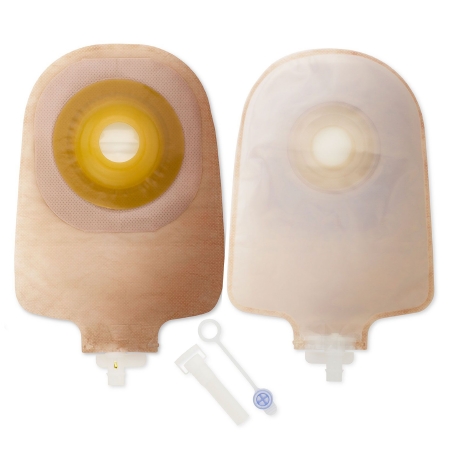 Ways to Remember Your Medical Supply Needs
For many people, keeping track of medical supplies can feel like an endless task. The list of responsibilities goes on and on, from assembling first-aid kits to monitoring inventory.
Because we’ve experienced firsthand the difficulties of obtaining and maintaining medical supplies, we’ve compiled a few suggestions to help. These tips aim to make medical supply shopping easier and help you make informed purchasing decisions, which can also reduce costs.
1. Keep Your Supplies Organized
It is crucial to keep medical supplies organized, especially disposable and consumable items. With an organized system, you’ll always know which items are running low and need to be restocked.
2. Keep an Eye on the Expiry Dates of Medicines
If you store medicines at home, checking their expiration dates regularly is essential. Expired medications can harm your kidneys and liver. They may also affect your metabolism, trigger allergies, or weaken your immunity. Before taking any medication, always check the expiration date.
3. Replenish Used Supplies
Another important habit is restocking medical supplies once they’ve been used. Don’t put off until tomorrow what you can do today—you never know when you might need the item again. Ideally, replenish supplies as soon as you use them.
4. Replace Expired Batteries
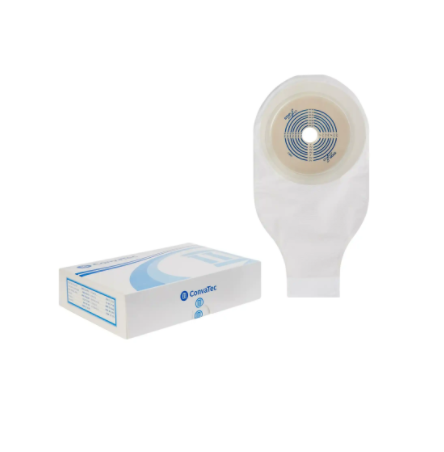 Many medical supplies, especially important ones, are battery-operated. Make sure to check batteries regularly and keep spares on hand. It’s also a good practice to remove batteries from devices after use.
5. Have Basic Information About Medical Supplies
When placing an order, be as specific as possible. Knowing the brand and strength of a medical supply can make the ordering process smoother. It’s also helpful to understand storage options and purchasing guidelines. Ordering generic medications instead of branded ones is often a good way to save money.
6. Store the Medical Supplies in Categories
Storing supplies in categories makes it easier and faster to find what you need. It also helps you maintain proper inventory without confusion or clutter.
Is it Convenient to Have Medical Supplies at Home?
Deciding to care for a patient at home is not easy. To make home care effective, you need proper medical supplies, established emergency systems, and suitable sleeping and mobility arrangements.
High-quality home medical supplies are the foundation of recovery. They help caregivers manage both acute and chronic conditions while ensuring proper monitoring and care.
Essential equipment such as oxygen supplies, IV equipment, or NG tube supplies is now relatively easy to obtain and can often be delivered directly to your home by the right supplier.
Is It Trustworthy to Order Medical Supplies Online?
The internet has made life easier for both buyers and sellers worldwide. Medical supplies, like electronics and other equipment, are increasingly available online. Many doctors, medical professionals, nursing homes, hospitals, and individuals now prefer purchasing medical supplies online due to convenience.
Some benefits include
- Cheaper rates
- A wider variety of products and models
- Convenience
- Easier refunds and replacements
- Multiple options to choose from
What to Consider Before You Make the Final Decision of Medical Supply Shopping
Choosing the right medical equipment and devices is critical, as these tools help people recover and, in some cases, save lives.
For example, when purchasing specialized equipment, there are several factors to consider. Following proper guidance can help save both time and money.
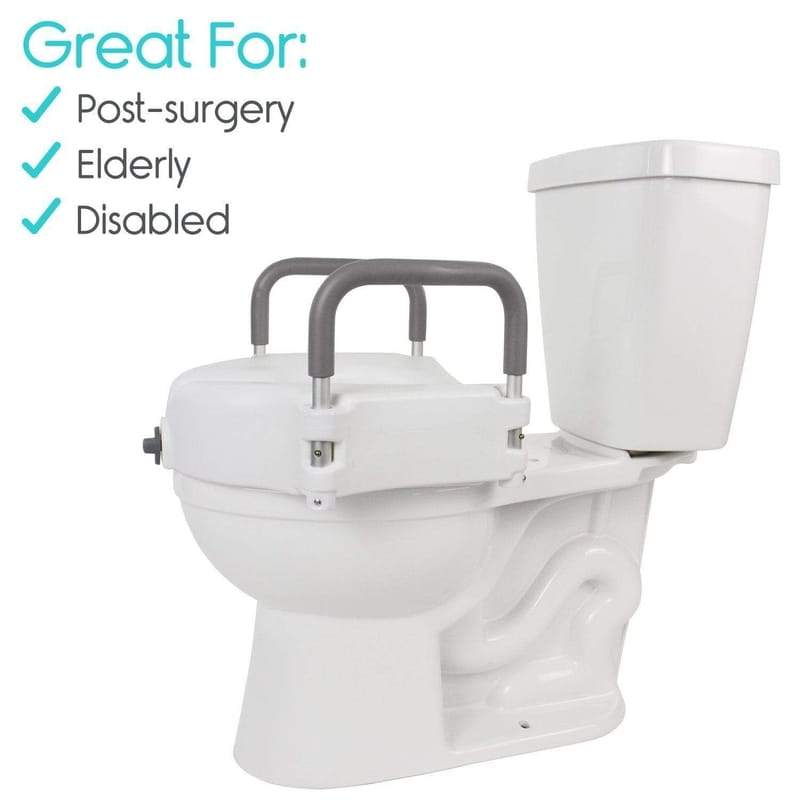
1. The Right Material
Verifying the material of medical supplies is essential since they come into direct contact with patients.
2. Long-Term or Short-Term Need
Determine whether the equipment is needed long-term or short-term. In some cases, renting may be more cost-effective than buying. This approach can lead to significant savings over time.
3. Customer Reviews
Always check customer reviews and verify that the equipment is certified. Reviews can help you identify reliable sellers and avoid counterfeit products. Having a legitimate website is also a good sign of a trustworthy supplier.
4. Maintenance Costs
Medical equipment often requires ongoing maintenance. Understanding these costs in advance helps ensure proper use and longevity of the equipment.
Where to Store Your Medical Supplies
According to the Centers for Disease Control and Prevention (CDC), medical supplies should be stored in a well-ventilated area protected from dust, moisture, and extreme temperatures or humidity.
Final Thoughts
A large portion of healthcare costs goes toward drugs, medical supplies, and equipment. Especially in developing countries, it’s important to choose appropriate supplies to meet priority health needs and avoid wasting limited resources.
Many ways to make informed and effective decisions when buying medical supplies have been discussed above. Your health is a blessing, and maintaining it is your responsibility. Always remember to replenish your supplies and keep your and your family’s well-being a top priority.
Related Posts
Get weekly articles in your inbox on the latest medical supply news, exclusive deals, and helpful health tips.