Blog Stand Up Walker for Seniors: Better Posture, Mobility, and Independence
Last updated: June 17, 2026
Walking gets harder for a lot of seniors, whether the cause is balance trouble, a stooped posture, weaker muscles, or joint pain. Mobility aids have come a long way in addressing this, and one design that has become especially popular is the stand up walker.
Also called an upright walker or upright rollator walker, this mobility aid for seniors is built to support a more natural, upright walking position. A traditional walker forces you to lean forward over the handles. A stand up walker instead supports your forearms, so you can walk taller and with better posture.
What Is a Stand Up Walker?
A stand up walker is what's often labeled a rollator walker with seat: a four-wheeled frame with a seat, armrests, and hand brakes built in. Instead of gripping low handles and leaning forward, users rest their forearms on padded supports and stay upright while they walk.
Many models also include:
- Adjustable armrests
- Padded seat and backrest
- Locking hand brakes
- Storage bags or baskets
- Foldable frames for transportation
Most stand up walkers hold users up to 300 pounds, though some heavy-duty models go higher.
Benefits of a Stand Up Walker for Seniors
Compared with a standard walker or rollator, an upright design changes how seniors stand, balance, and rest while they move around.
Improved Posture
A traditional walker pushes users to bend forward, which adds strain to the neck, shoulders, and lower back. A stand up walker keeps the body in a more natural, upright stance instead, and that takes a good amount of the day-to-day discomfort out of walking.
Better Balance and Stability
The forearm supports add real stability while walking. That extra support can make seniors feel steadier, whether they're moving around the house or out running errands.
Reduced Back and Shoulder Strain
Staying bent over while walking for long stretches leads to fatigue and pain. Standing taller takes that pressure off the back and shoulders.
Comfortable Rest Breaks
Most stand up walkers include a built-in seat and backrest. Users can sit and rest whenever needed, without searching for a nearby chair.
Increased Independence
Independence matters to most seniors. A stand up walker makes it easier to move safely around the house, the yard, or the neighborhood, so daily routines stay in their own hands.
Who Should Use a Stand Up Walker?
A stand up walker may be a good choice for seniors who:
- Experience mild to moderate balance issues
- Have difficulty standing fully upright when walking
- Experience back pain from leaning forward
- Need additional support while walking longer distances
- Want a mobility aid with both walking and seating functions
This type of walker isn't ideal for everyone, though.
Anyone who can't support themselves in an upright position, or who needs to sit down suddenly and often, will likely do better with a traditional rollator or a transport chair. The seat on an upright walker tends to be narrower and harder to reach mid-walk, so it doesn't handle rapid sitting very well.
Talk to your doctor or a physical therapist before buying any mobility equipment for home use. They can help you figure out which option actually fits your needs.
Features to Consider Before Buying
Stand up walkers vary quite a bit from model to model, so a few features are worth checking before you buy.
Weight Capacity
Make sure the walker can support the user's weight. Most standard models top out around 300 pounds.
Seat Size
Seat width usually runs from 16 to 22 inches, with 18 inches being the most common. A wider seat tends to feel more comfortable for some users.
Armrest Adjustability
Armrests need to adjust properly to support good posture and comfort. Look for a model that's easy to customize.
Walker Weight
A lighter frame is easier to lift, carry, and store, which matters for caregivers and active seniors alike.
Indoor and Outdoor Use
Some upright walkers handle uneven ground and outdoor terrain better than others. Think about where the walker will spend most of its time.
How to Measure for a Walker
Getting the height right matters for safety and comfort. A walker that's sized wrong can strain the body and raise the risk of injury.
Step 1: Stand Naturally
Wear the shoes you'd normally use with the walker. Stand up straight with your arms relaxed at your sides.
Step 2: Check Wrist Height
Look at where your wrists land. The walker's handgrips should sit close to wrist height when your arms hang relaxed.
Step 3: Verify Arm Position
Once you're holding the handgrips, your elbows should bend slightly, somewhere around 15 to 20 degrees. That angle gives you the best comfort and control.
Step 4: Adjust the Walker
Use the height adjustment settings to raise or lower the frame to match your measurements.
Step 5: Test the Fit
Walk a few steps with it. You should feel steady and comfortable, with enough room to stand upright.
Step 6: Consult a Professional if Needed
If something feels off or you're unsure about sizing, ask a healthcare professional. Getting this right can make a real difference for safety and mobility.
Final Thoughts
A stand up walker is worth considering if better posture, steadier balance, and more independence are what you're after. Between the forearm supports, adjustable armrests, and built-in seat, it covers more ground than a standard walker.
Weigh the weight capacity, seat size, adjustability, and how you plan to use it before settling on a model. None of that matters as much as fit, though. A walker sized correctly for your body is what actually keeps you safe.
Choosing the right home mobility equipment, stand up walker included, can be what keeps you moving safely and independently, at home and out in the world.
Get weekly articles in your inbox on the latest medical supply news, exclusive deals, and helpful health tips.
 Recommended products
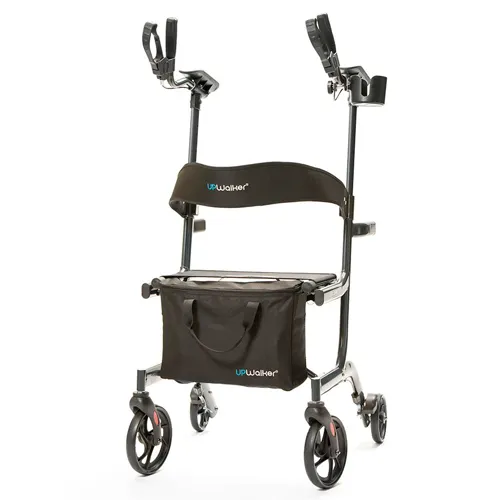
UpWalker LITE I100, Gray well-suited for indoor use LifeWalker
2 products
Recommended products
UpWalker LITE I100, Gray well-suited for indoor use LifeWalker
2 products
UpWalker LITE I100, Gray well-suited for indoor use LifeWalker
The UPWalker Lite is a lighter weight, smaller profile and lower priced version of the original UPWalker especially well-suited for indoor use. This revolutionary breakthrough in mobility aids allows users to walk upright in a secure and safer posture compared to the traditional walkers and rollators that require users to hunch over. This FSA-approved upright walker is budget-friend and is lightweight, making it easier to lift and transport, while the small size allows easy travel in tighter spaces.
$640.00
View product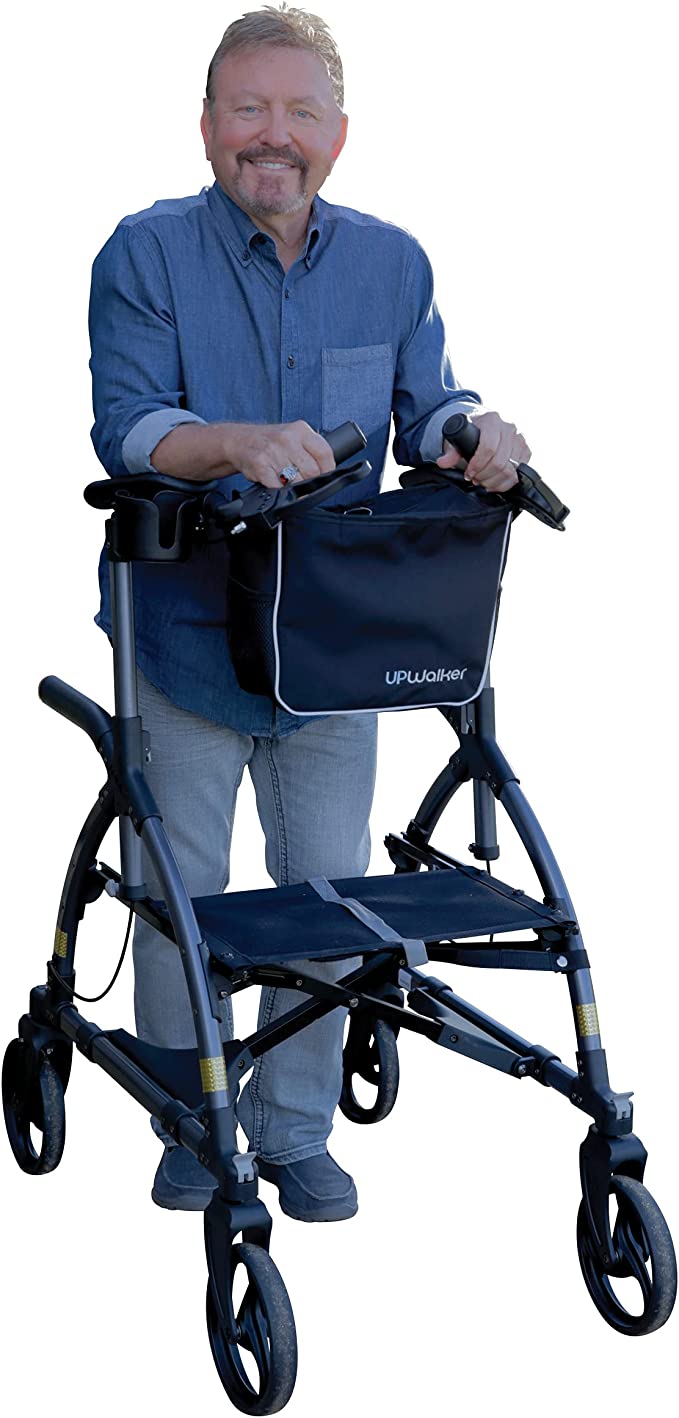
Mobility UpWalker H200 Large Upright Walker
The UPWalker Upright Walking Aid is a revolutionary breakthrough in mobility that solves poor posture, instability, and pain from walkers and rollators. It enables users to walk upright in a safe and more secure posture.The UpWalker Upright walker improves mobility and independence for seniors, rehab patients, and users with neurological, cardiovascular, pulmonology, and other health disorders. It can help reduce wrist, back, and leg pain.Reasons to buy UPWalker Upright Walker.It helps users get back on their feet and regain their independenceSupportive upright posture walker improves walking postureThe lightweight 23-pound aluminum frame folds for easy transportIt comes fully assembled in a graphite gray colorSuitable for indoor and outdoor use
$760.00
View product