Blog Portable Oxygen Concentrators (2026 Guide): Everything You Need to Know Before You Buy
Last updated: January 21, 2026
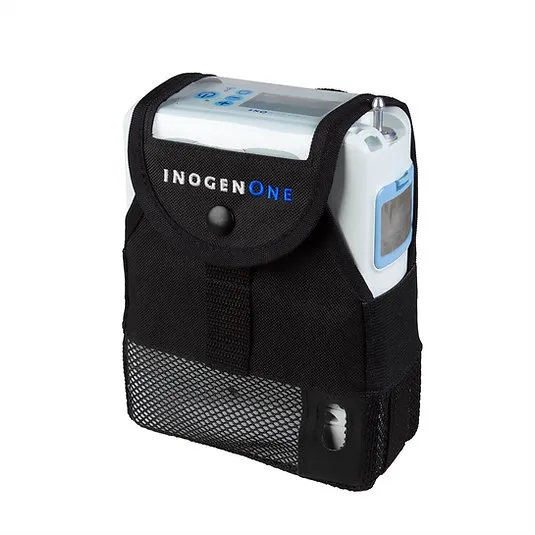
If you’ve ever wondered how portable oxygen concentrators (POCs) work or which model is right for your needs, this guide will walk you through everything — from medical basics to best-in-class products available in 2026.
Portable oxygen concentrators are medical devices designed to deliver supplemental oxygen for people with respiratory conditions. Unlike traditional oxygen tanks that require frequent refills, POCs extract oxygen from ambient air and deliver it in a concentrated form — giving users freedom, mobility, and independence.
What Is a Portable Oxygen Concentrator and How It Works
A portable oxygen concentrator is a compact, electrically powered device used to provide supplemental oxygen to patients with hypoxia or other respiratory disorders. These systems use molecular sieve technology to separate nitrogen from room air, producing oxygen at concentrations appropriate for therapeutic use.
POCs typically deliver oxygen in pulse (on-demand) mode, supplying a bolus of oxygen with each inhalation, or in some advanced models, in continuous flow, which can be critical for higher oxygen needs.
Why Consider a Portable Oxygen Concentrator?
Improved Quality of Life
Oxygen therapy isn’t just about survival — it’s about enabling patients to engage in daily activities with confidence. POCs are ideal for individuals with COPD, pulmonary fibrosis, chronic bronchitis, emphysema, and other conditions where supplemental oxygen is prescribed. 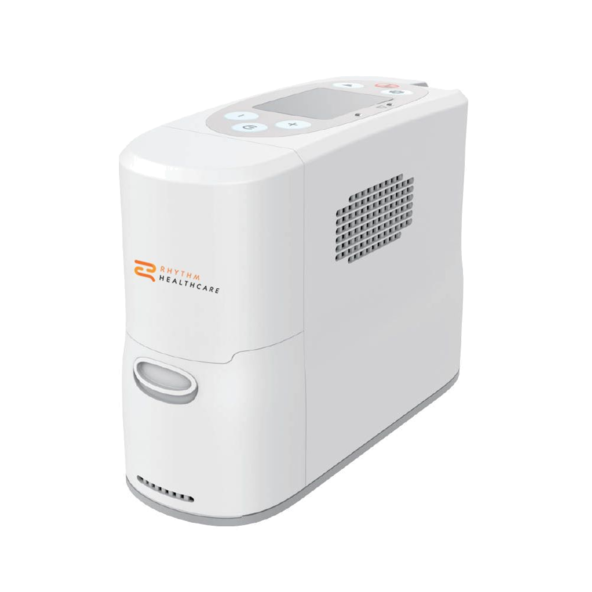
No Constant Refills Needed
Unlike oxygen cylinders that must be refilled or replaced regularly, POCs generate oxygen from ambient air in real time. This reduces dependency on healthcare facilities and eliminates refill logistics for most users.
Portability and Convenience
Traditional oxygen tanks tether users to fixed locations or require heavy lifting. POCs are lightweight, battery-powered, and some models are approved for air travel, making them perfect for both local mobility and extended trips.
Advanced Safety & Manufacturing
Modern portable concentrators are designed with oxygen purity sensors, automatic alarms, and fail-safes to ensure consistent delivery while minimizing risk. Their internal components are optimized to reduce leakage and oxygen wastage.
Wide Range of Models
Today’s POCs come in a variety of sizes, performance levels, and flow options — from ultra-light models for active lifestyles to dual-mode devices for users who need both pulse and continuous flow. This variety makes it easier to match a machine to your specific clinical needs.
Top Portable Oxygen Concentrators to Consider in 2026
Below are some of the best POCs available today, covering a range of needs from everyday mobility to advanced respiratory therapy:
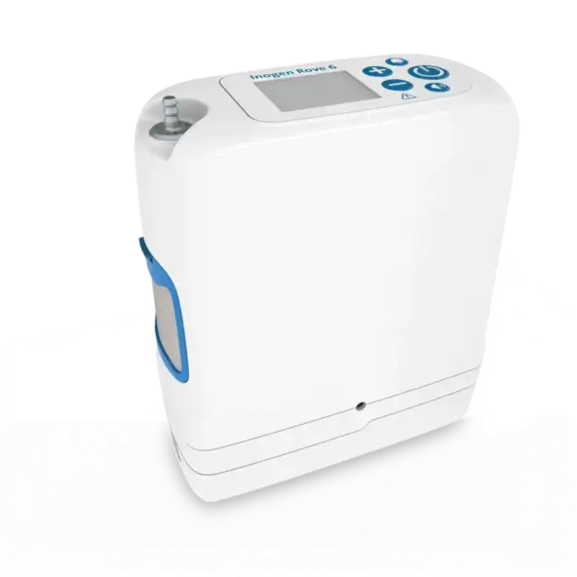
1. Inogen Rove 6 System - Portable Oxygen Concentrator
This is one of the most advanced portable oxygen concentrators available in 2026, ideal for active individuals who don’t want oxygen therapy to limit their lifestyle.
Key Features & Benefits
- Multiple pulse dose settings with up to 6 flow levels for tailored oxygen delivery.
- Lightweight and quiet design (~4.8 lbs / 2.2 kg).
- FAA-approved for air travel, enabling freedom for domestic and international trips.
- Battery options allow up to ~12.75 hours of runtime — ideal for day trips or extended outings.
- Simple LCD interface and accessory bundle (charger, carry bag) included.
Why We Recommend It
The Rove 6 combines power, portability, and reliability in a way that suits both everyday use and travel. It’s an excellent choice for patients who want flexibility without sacrificing oxygen support.
2. P2 Portable Oxygen Concentrator Rhythm Healthcare
A compact, value-oriented model that doesn’t compromise on performance.
Key Features & Benefits
- Lightweight at approximately 4.37 lbs, ideal for everyday mobility.
- Up to 5 pulse flow settings, offering flexibility for users with mild to moderate oxygen needs.
- FAA-compliant for airline travel.
- Includes both AC and DC charging options for home and vehicle use.
Why We Recommend It
The P2 is particularly compelling for users who want a balance of performance and portability at a lower price point. It’s especially suitable for daily activities, errands, and travel.
3. Zen-O™ Portable Oxygen Concentrator
A more versatile POC that can deliver both pulse and continuous flow, making it a strong option for higher therapeutic needs.
Key Features & Benefits
- Dual flow modes — pulse and continuous up to ~2 L/min.
- Rate Responsive Therapy (RRT) adjusts oxygen delivery based on breath rate for improved comfort.
- Designed with audible and visual alarms for safety.
- Barriers to replacement parts are minimized with easily serviced sieve beds.
Why We Recommend It
Zen-O™ stands out for individuals with higher continuous oxygen needs or those who require adaptability across different activity levels — from rest to mild exertion.
Bottom Line: Choosing the Right POC for You
Portable oxygen concentrators are a medically essential investment for anyone who relies on supplemental oxygen. They provide autonomy, safety, and the potential to lead an active life with fewer constraints.
When selecting a model in 2026, consider:
- Oxygen requirements prescribed by your clinician
- Battery life and portability
- Travel and daily activity lifestyle
- Flow options (pulse vs continuous)
All three models above — Inogen Rove 6, Rhythm P2, and Zen-O™ — represent a range of capabilities and price points that fit different needs and preferences.
Before making a final purchase, consult your healthcare provider to ensure the selected POC aligns with your clinical requirements.
Related Posts
Get weekly articles in your inbox on the latest medical supply news, exclusive deals, and helpful health tips.