Blog How to Integrate a Collapsible Wheelchair into an Active Lifestyle
Last updated: February 3, 2026

What Is a Collapsible (Folding) Wheelchair?
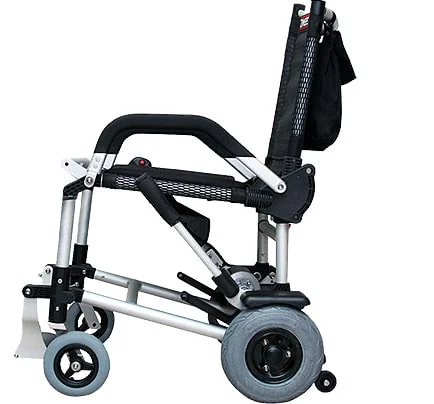
A collapsible wheelchair—also commonly referred to as a folding wheelchair—is designed to fold flat, making transportation and storage easier and more convenient. These wheelchairs are widely used by individuals who value mobility, flexibility, and independence in their daily lives.
There are two primary types of collapsible wheelchairs: self-propelled and attendant-propelled. Self-propelled wheelchairs feature larger rear wheels that allow users to move independently, while attendant-propelled or transit wheelchairs are designed to be pushed by a caregiver and typically have smaller rear wheels.
Most folding wheelchairs incorporate design features such as fold-down backrests to reduce overall height and a vertical “X-frame” mechanism that minimizes width when collapsed. These features make collapsible wheelchairs suitable for car travel, public transport, air travel, and compact storage at home.
Who Benefits from a Collapsible Wheelchair?
Collapsible wheelchairs are generally best suited for individuals with less complex mobility needs. Unlike some rigid or powered wheelchairs that provide advanced postural support or motorized assistance, folding wheelchairs are most often used by people who have good core strength and do not require reclining or tilt-in-space features on a full-time basis.
That said, collapsible wheelchairs remain a popular option for users who prioritize comfort, independence, and lifestyle participation. Many users do not require significant nursing assistance and benefit from a wheelchair that allows them to move freely through different environments, travel easily, and engage in social and recreational activities.
Overview of Ergonomic Wheelchair Design
Ergonomics and Postural Support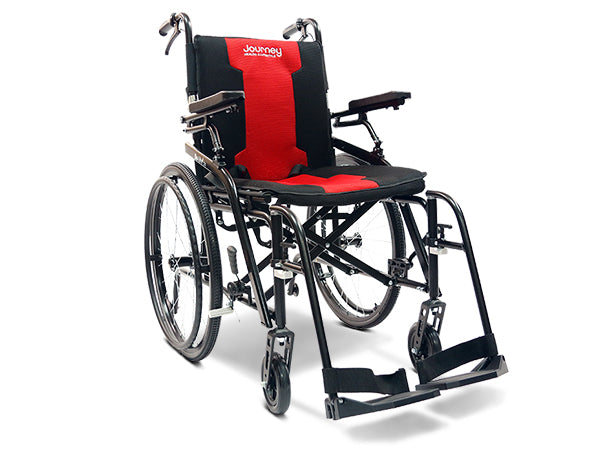
Modern collapsible wheelchairs increasingly focus on ergonomic design, offering enhanced lumbar support and alignment with the spine’s natural curvature. Ergonomic seating systems aim to promote better posture, reduce fatigue, and improve long-term comfort for users who spend extended periods seated.
Some mobility brands, such as StrongBack Mobility, have introduced folding wheelchairs that emphasize posture support as a core design principle. These chairs are designed to support the spine more naturally while remaining lightweight and easy to transport.
Key Design Features to Consider
Lightweight Construction
Many collapsible wheelchairs are constructed using high-tech materials to reduce overall weight without compromising strength or durability. Ultralight models can weigh less than 20 pounds, making them easier to lift into a car trunk or maneuver through tight spaces. A lightweight frame is especially important for self-propelled users, as it directly affects ease of movement and energy expenditure.
Style and Aesthetics
Wheelchairs are not purely functional devices—they are part of a user’s daily life. Contemporary folding wheelchairs often feature sleek frames, curved lines, and modern color options. Thoughtful design can help users feel more confident and comfortable in social and professional settings.
Comfort in Daily Environments
Comfort is essential, whether the wheelchair is used for short outings or extended periods. Well-designed collapsible wheelchairs aim to provide consistent support across a range of environments, from commuting and travel to social gatherings and family activities. Proper seating can help reduce lower back discomfort and promote overall well-being.
Adjustability
Adjustability is a critical factor when selecting a collapsible wheelchair. Many models allow for customization to accommodate different body sizes, mobility levels, and functional needs. Features such as adjustable seat height, footrests, armrests, and back support can significantly enhance comfort and usability.
Everyday Practicality of Folding Wheelchairs
One of the defining advantages of a collapsible wheelchair is its everyday practicality. Folding designs allow users or caregivers to quickly collapse the chair and place it in a vehicle, store it at home, or transport it during travel. While maintaining a sporty or modern aesthetic, these wheelchairs differ from traditional models by integrating functional posture support into the frame itself.
Benefits of a Collapsible Wheelchair
Ease of Repair
Folding wheelchairs often consist of modular components, making smaller parts easier to repair or replace when necessary.Portability
The ability to fold the wheelchair simplifies transportation. Many models can be placed in a car trunk, stored in aircraft compartments, or maneuvered through tight spaces, enabling users to travel and access environments that may otherwise be challenging.Storage Convenience
When not in use, a folded wheelchair can be stored neatly, reducing clutter and saving space in the home.
Social Interaction and Lifestyle Impact
Mobility plays a critical role in social participation and mental well-being. Without access to flexible mobility solutions such as collapsible wheelchairs, many individuals with mobility impairments could experience increased social isolation.
The ability to make spontaneous decisions—such as visiting friends, attending events, or running errands—supports both physical and mental health. Enabling an individual’s environment, rather than focusing on limitations, helps maintain independence and encourages meaningful engagement in daily life. This benefits not only wheelchair users, but also carers and family members.
What to Consider When Buying a Manual Collapsible Wheelchair
Configuration
A manual folding wheelchair’s configuration refers to the combination of selected components. The two most common configurations are self-propelled and attendant-propelled.
Self-propelled wheelchairs allow users to move independently using large rear wheels and front castors. Attendant-propelled models may share a similar frame but often feature smaller wheels, making them better suited for shorter distances and caregiver assistance.
Weight
Wheelchair weight is an important consideration for both propulsion and transport. Standard manual wheelchairs typically weigh between 6 and 16 kg, though bariatric or heavy-duty models may weigh between 15 and 27 kg.
Physiotherapists or occupational therapists can provide valuable guidance when selecting a wheelchair that best supports a user’s functional abilities. Some models offer removable wheels and leg rests to further reduce lifting weight.
Transfers
Safe and efficient transfers are essential for maintaining independence and preventing injury. Features such as swing-away leg rests, flip-back armrests, and appropriate seat height can support front or side transfers. For users who require hoist transfers, additional positioning features may be necessary.
Tilt Function
Some manual collapsible wheelchairs offer a tilt feature, which can benefit users with more complex postural needs. Tilt can improve comfort, reduce pressure, and support stability by altering the user’s orientation in space.
For example, a user with posterior pelvic tilt, lateral leaning, and limited head control may benefit from a small degree of tilt. Even a 10-degree tilt can improve posture, reduce shearing forces, and enhance overall positioning, while also supporting safer transfers.
Bottom Line
Choosing the right collapsible wheelchair requires careful consideration of the user’s physical needs, lifestyle, environment, and long-term goals. Factors such as configuration, weight, adjustability, and comfort all play a role in ensuring the wheelchair supports independence and well-being.
Consulting with healthcare professionals and reputable mobility suppliers can help users make informed decisions based on body measurements, prognosis, activity level, and budget. A thoughtfully chosen wheelchair can significantly enhance daily life, social participation, and overall quality of living.
Related Posts
Get weekly articles in your inbox on the latest medical supply news, exclusive deals, and helpful health tips.